Homemade natto recipe
Rated 3.6 stars by 5 users.
Portion
4
Preparation time
15 minutes
Cooking time
4 hours
Natto is known for its sticky texture and distinctive taste. It is rich in protein, vitamins and probiotics, and is often eaten for breakfast in Japan. Making homemade natto is a time-consuming and patient process, but it can be a rewarding experience for those who love this unique Japanese fermented dish.
Natto is a traditional Japanese food made from soybeans fermented with Bacillus subtilis bacteria. Appreciated for its nutritional benefits, it is particularly popular in the Kanto and Tohoku regions. Its sticky texture and strong smell may confuse some novices, but natto is a valuable source of protein and vitamins. It is usually served with rice, soy sauce and Japanese mustard.
Ingredients
Instructions
Soaking :
Rinse soybeans several times in cold water. Soak in a large bowl of water for 12 to 24 hours, until doubled in size.
Cooking :
Drain soaked soybeans. Steam or boil in a pot for 3-4 hours, or until tender. If using a pressure cooker, pressure cook for around 45 minutes. Drain the soybeans and allow to cool slightly.
Fermentation :
Dissolve the natto spores in a small quantity of sterilized water (boiled and cooled water). Mix this solution with the hot (but not boiling) soybeans in a clean bowl. Mix well to distribute the spores evenly.
Transfer inoculated soybeans into clean glass or plastic containers. Cover containers with a lid or perforated plastic film to allow aeration.
Place containers in a thermos, dehydrator, or oven with a low-temperature hold function, set to around 40°C. Leave to ferment for 24 to 48 hours. During this time, the natto will develop its sticky texture and distinct aroma.
- Once fermentation is complete, refrigerate the natto for at least one night before eating. This will help refine the taste and stabilize the texture.
You can serve natto with soy sauce, karashi mustard and a little spring onion!
Recipe notes
Natto is often considered a "superfood" in Japan due to its health benefits, notably its richness in vitamin K2, which is beneficial for bone and heart health. Historically, natto was made by wrapping cooked soybeans in rice straw, which naturally contained Bacillus subtilis spores. Today, fermentation is carried out in a more controlled way, thanks to the use of laboratory-grown spores.
Natto is a polarizing food in Japan: some love it for its unique texture and taste, while others find it hard to get used to its strong smell. However, it is appreciated by many Japanese for its nutritional qualities and is often associated with a long life expectancy.
Natto has a unique, complex taste that can vary slightly depending on the fermentation method and ingredients used. Here are some typical taste characteristics of natto:
Umami flavor: Natto has a strong umami flavor, which is often described as savory and rich. This flavor is due to the amino acids released during fermentation.
Fermented taste: Like many fermented foods, natto has a certain acidity that is slightly reminiscent of blue cheese or Camembert. This taste can be perceived as pungent or intense.
Hazelnut: Some people find that natto has a hazelnut or bean note, which is subtle and earthy.
Strong aroma: Natto has a strong, distinctive smell that can be surprising for those not used to it. It is often described as smelling like fermented cheese, but this odor is largely responsible for its distinct flavor.
Sticky texture: Although not a taste per se, natto's sticky, viscous texture is an integral part of the taste experience. This texture may take some getting used to, but is appreciated by natto lovers.
Lovers of natto like to experiment with different accompaniments, such as soy sauce, karashi mustard, green onions, and even raw eggs to add flavor and texture. Despite its controversial reputation, natto remains a staple of traditional Japanese cuisine.
Our product selection for this recipe:
Japanese cooking essentials
-
White miso with koji from Hakone ⋅ Kato Heitaro shoten ⋅ 200g
Regular price 5.50 €Prix promotionnel 5.50 € Regular pricePrice per unit 27.50 € / per kg5.0 / 5.05.0 / 5.05.0
14) 14 opinion
-
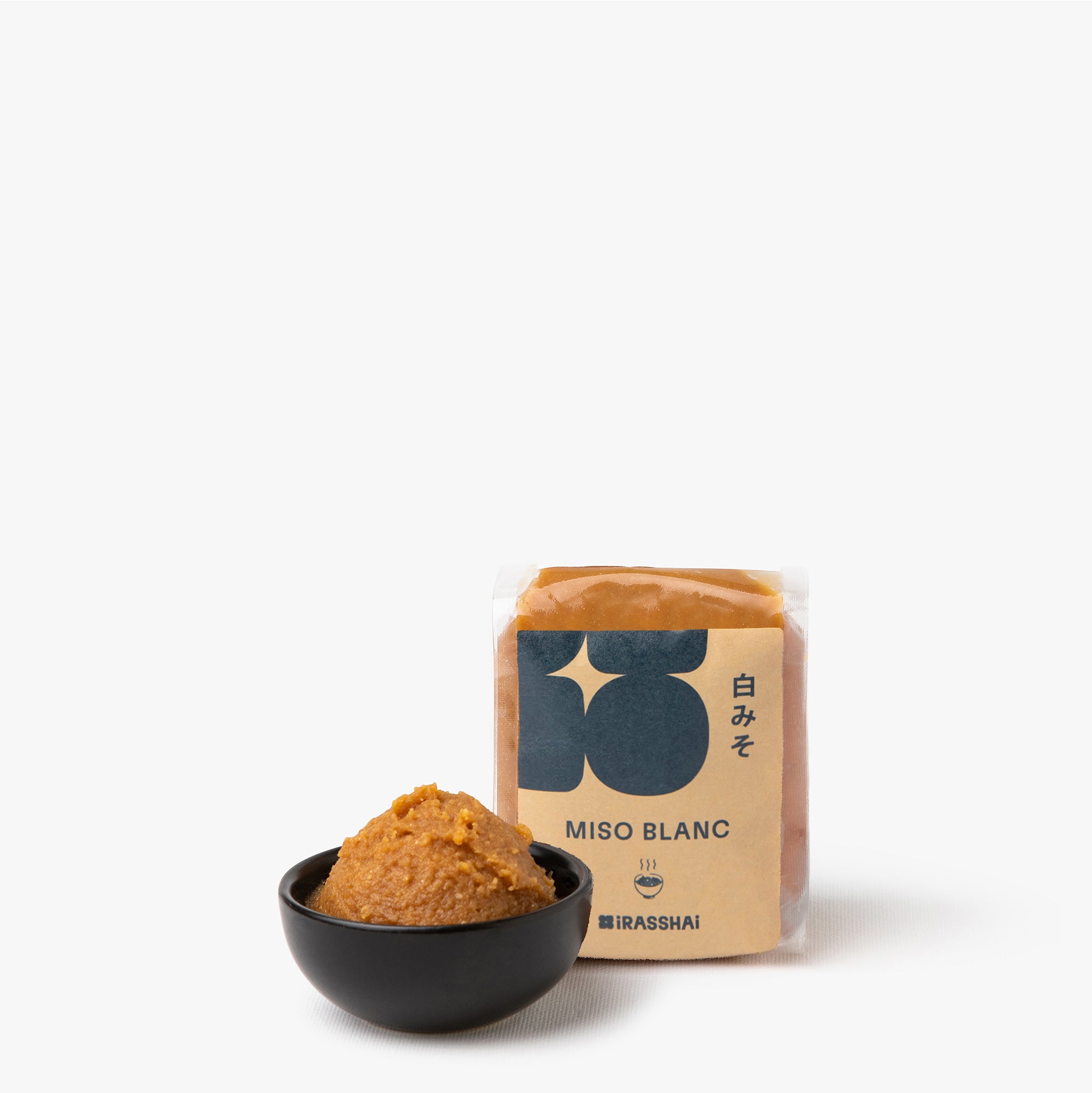
White miso ⋅ Kato Heitaro Shoten for iRASSHAi ⋅ 200g
Regular price 5.50 €Prix promotionnel 5.50 € Regular pricePrice per unit 27.50 € / per kg5.0 / 5.05.0 / 5.05.0
11) 11 opinion
-
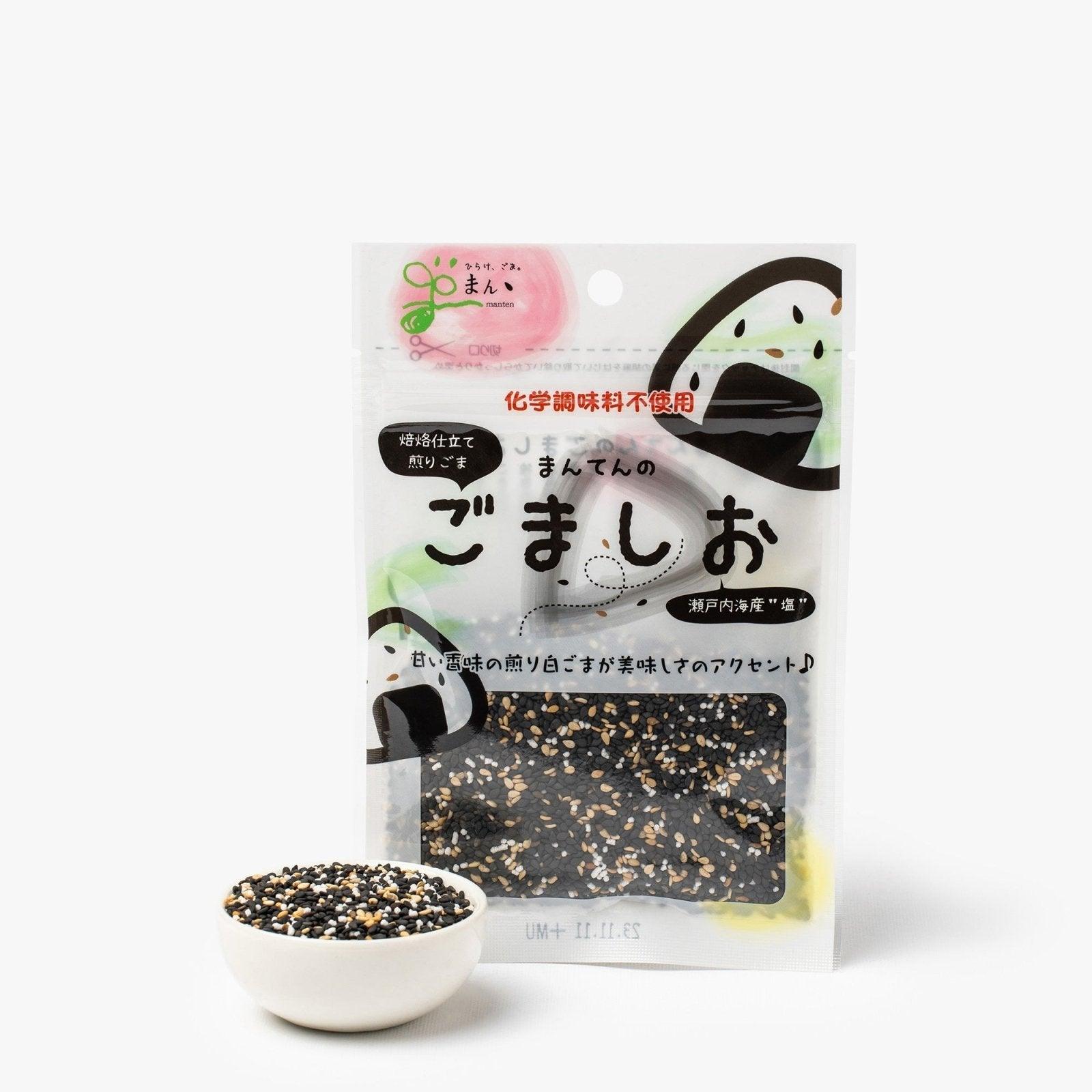
Roasted black and white sesame seeds with gomashio salt ⋅ Manten ⋅ 30g
Regular price 2.65 €Prix promotionnel 2.65 € Regular pricePrice per unit 88.33 € / per kg4.75 / 5.04.75 / 5.04.75
4) 4 opinion
-
Panko breadcrumbs ⋅ Hanayuki ⋅ 340g
Regular price 8.00 €Prix promotionnel 8.00 € Regular pricePrice per unit 23.53 € / per kg4.86 / 5.04.86 / 5.04.86
7) 7 opinion
-
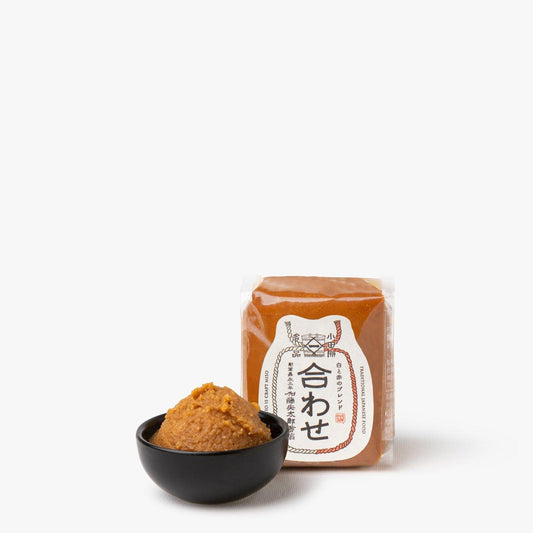
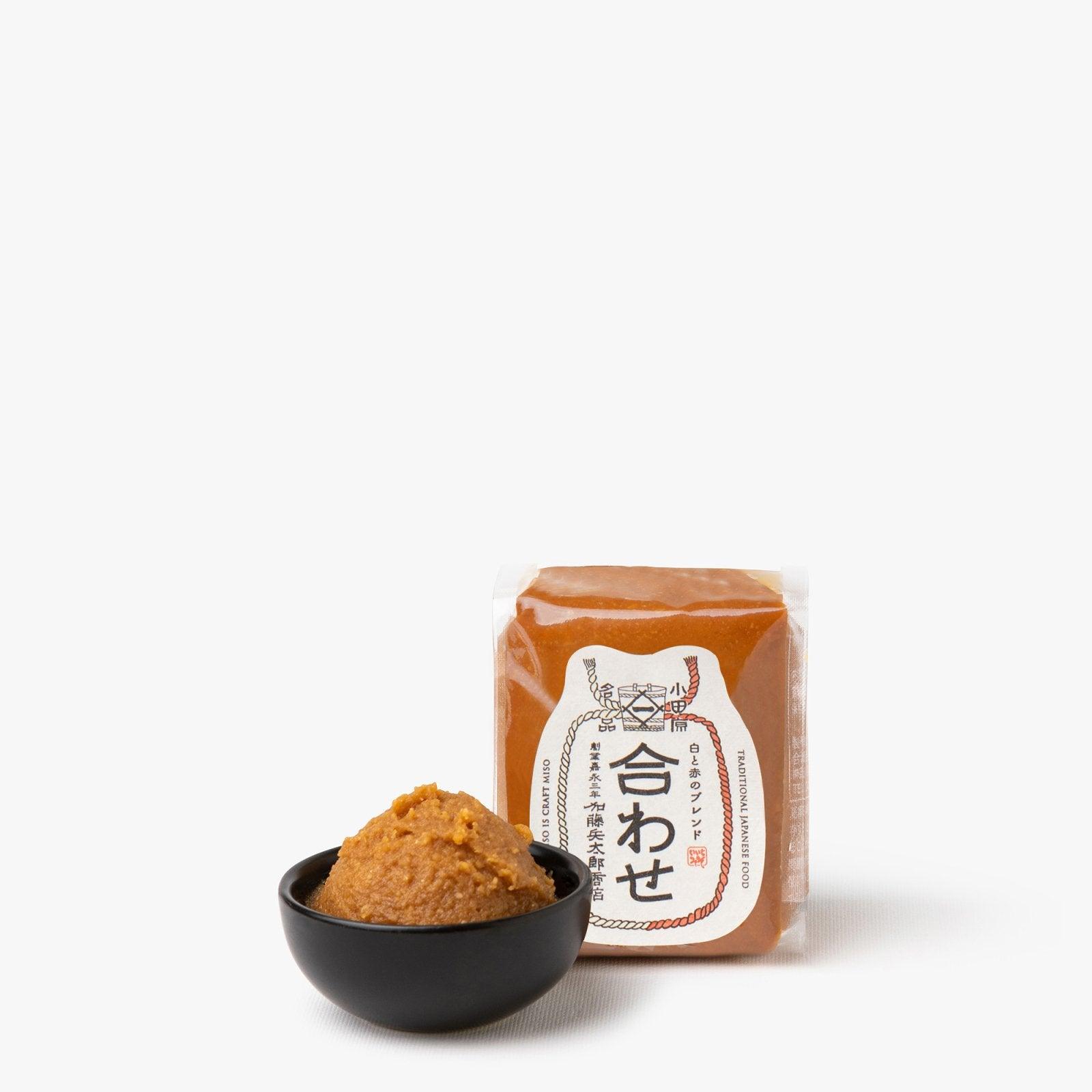
Hakone white and red miso blend ⋅ Kato Heitaro shoten ⋅ 200g
Regular price 5.50 €Prix promotionnel 5.50 € Regular pricePrice per unit 27.50 € / per kg5.0 / 5.05.0 / 5.05.0
7) 7 opinion
-
Honmirin ⋅ Takara Shuzo ⋅ 13% ⋅ 500ml
Regular price 9.70 €Prix promotionnel 9.70 € Regular pricePrice per unit 19.40 € / per l4.8 / 5.04.8 / 5.04.8
5) 5 opinion
-
Katsuobushi dried bonito chips ⋅ Makurazaki ⋅ 40g
Regular price 9.50 €Prix promotionnel 9.50 € Regular pricePrice per unit 237.50 € / per kg4.9 / 5.04.9 / 5.04.9
10) 10 opinion
-
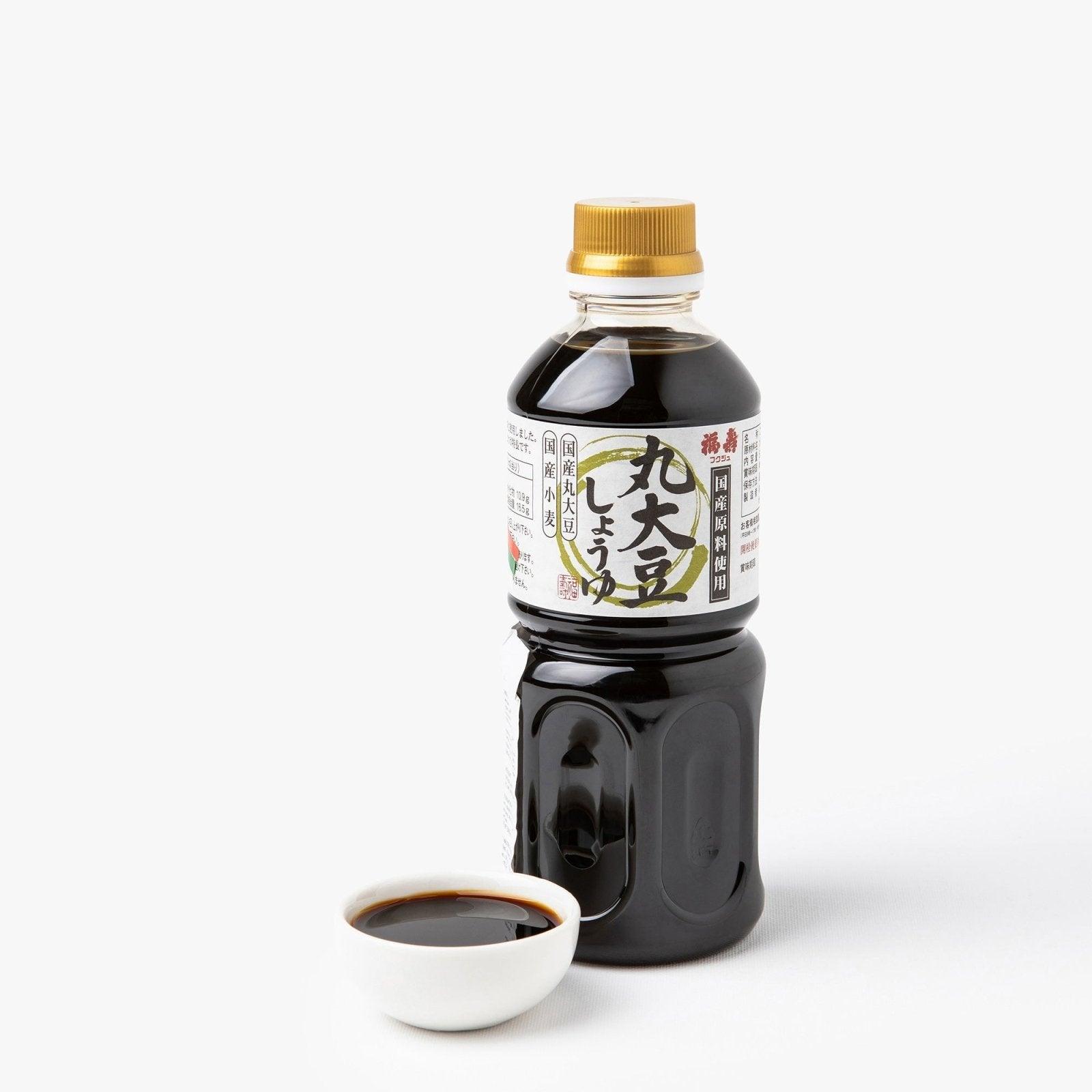
Artisanal balanced soy sauce ⋅ Asarisasuke Shoten ⋅ 500ml
Regular price 6.25 €Prix promotionnel 6.25 € Regular pricePrice per unit 12.50 € / per l5.0 / 5.05.0 / 5.05.0
8) 8 opinion
Japanese cookery books
-
Book Japanese home cooking, 100 recipes ⋅ Marabout
Regular price 29.00 €Prix promotionnel 29.00 € Regular pricePrice per unit / per -
Book Tokyo, Les recettes ⋅ Marabout
Regular price 10.90 €Prix promotionnel 10.90 € Regular pricePrice per unit / per -
Japanese-style stickers: snacks ⋅ NB
Regular price 5.90 €Prix promotionnel 5.90 € Regular pricePrice per unit / per -
Book Mochi mochis, 40 Japanese sweets ⋅ Editions de la Martinière
Regular price 14.90 €Prix promotionnel 14.90 € Regular pricePrice per unit / per -
Book Ramen - 50 recipes for Japanese noodles with every sauce ⋅ Solar
Regular price 14.95 €Prix promotionnel 14.95 € Regular pricePrice per unit / per -
Book Izakaya - Japanese bistro cuisine ⋅ Hachette Pratique
Regular price 35.00 €Prix promotionnel 35.00 € Regular pricePrice per unit 100.00 € / per l -
Book Japon gourmand ⋅ Mango Editions
Regular price 32.00 €Prix promotionnel 32.00 € Regular pricePrice per unit / per -
Illustrated Japanese cooking book ⋅ Mango Editions
Regular price 13.50 €Prix promotionnel 13.50 € Regular pricePrice per unit / per