Onigiri Spicy Tuna Recipe
Rated 5.0 stars by 1 users.
Portion
2
Preparation time
15 minutes
Cooking time
20 minutes
Onigiri (おにぎり), Japanese rice balls often filled with a variety of ingredients, are an essential snack in Japanese culture. They're simple to prepare, convenient to take away and can be customized to taste. Among the popular versions, spicy tuna onigiri is a delicious option, combining the freshness of tuna with the heat of a spicy sauce, for a tasty, balanced result. Perfect for a quick lunch, picnic or nourishing snack.
Ingredients
-
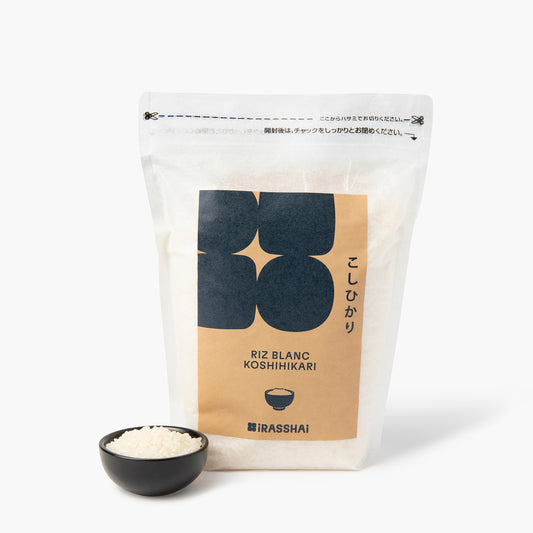
200 g Japanese rice (preferably milky queen)
- 100 g fresh tuna (sashimi quality, ideally)
-
1 tablespoon Japanese mayonnaise
-
1 teaspoon soy sauce
- 1 teaspoon sriracha sauce (or other hot sauce of your choice)
-
1/2 teaspoon mirin (optional)
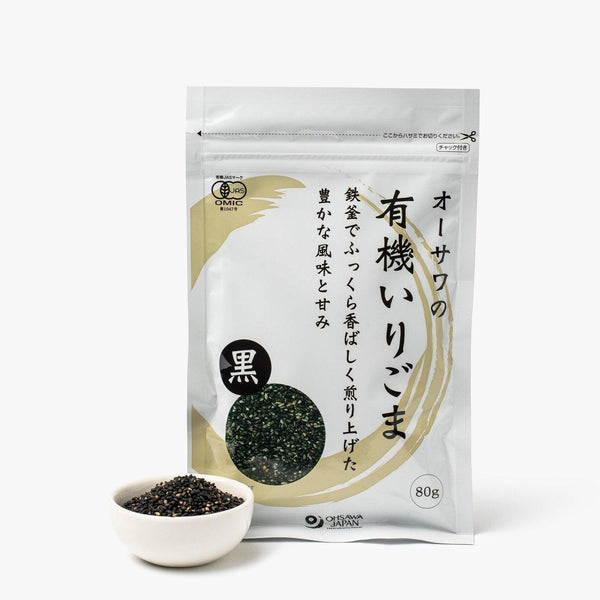
- 1 teaspoon sesame seeds (optional)
-
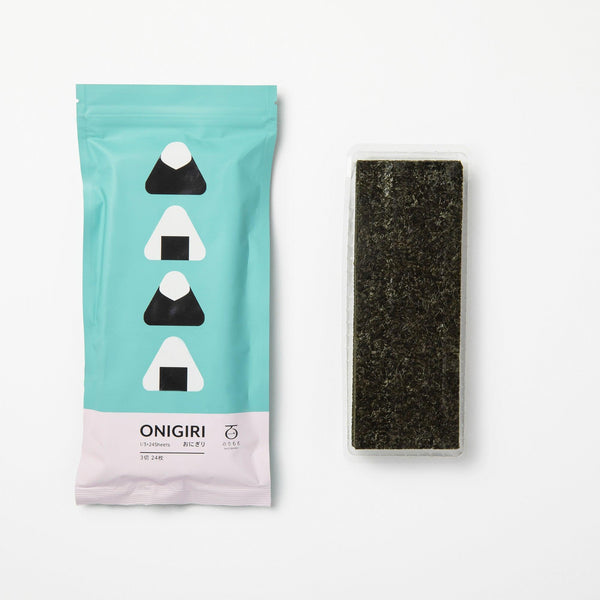
2 sheets nori (dried seaweed)
- A little salt (to season the rice)
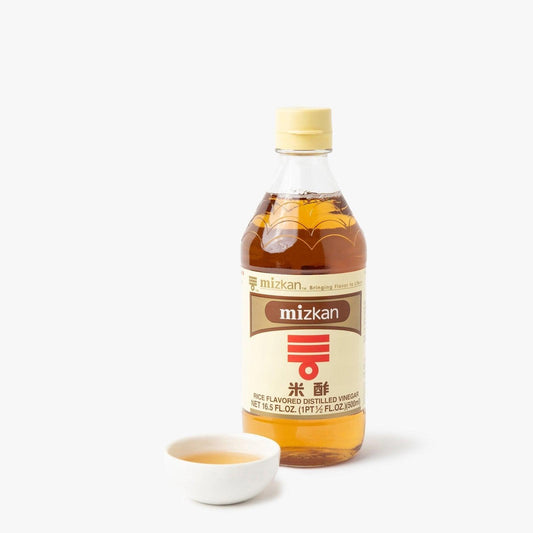
- A little rice vinegar to season the rice
Instructions
Preparing the rice
Rinse the rice several times under cold running water until the water runs clear. This removes excess starch and gives the rice a sticky texture.
Cook the rice according to the instructions, then leave to cool to room temperature.
Season the rice with a little rice vinegar and a pinch of salt. Mix gently and leave to cool.
Preparing the spicy tuna
Cut the tuna into small cubes or thin slices.
In a bowl, mix the tuna with the mayonnaise, soy sauce, sriracha sauce and mirin (if using). Adjust the amount of hot sauce according to your chili tolerance. Mix well so that the tuna is evenly coated with the sauce.
Shaping onigiri
Wet your hands with a little water to prevent the rice from sticking. You can also rub them with a little salt for extra flavor. Take a portion of rice (about 100 g) and flatten it slightly in the palm of your hand. Place a spoonful of spicy tuna in the center of the rice, then close the rice around the tuna to form a ball or triangle, whichever shape you prefer. Press lightly to hold the onigiri together.
If you like, you can sprinkle sesame seeds over the onigiri, or wrap the shape in a sheet of nori for added flavor and texture. Cut the nori sheet into strips and wrap around the onigiri just before serving, or keep it separate so the nori doesn't get mushy.
Recipe notes
Tips
Variations: You can add vegetables such as diced avocado or finely chopped shallots for added crunch and freshness.
Storage: These onigiri can be stored in an airtight tin for a few hours, but are best kept fresh to prevent the rice from becoming too dry or the nori from softening.
Tip for a more intense taste: Add a little wasabi or chili powder to the tuna sauce for even more zing.
An Ancient Culinary Tradition
Onigiri have been around for centuries. Their origins date back to the Heian period (794-1185), when these rice balls were shaped by hand and eaten while traveling. In those days, they were often wrapped in bamboo leaves or large shiso (Japanese plant) leaves, to protect them and flavour them.
Today, although onigiri are mainly made from plastic film, they remain a symbol of Japanese culinary culture, easy to transport and ideal for a quick, nourishing meal.
Simple Ingredients, Varied Flavors
Onigiri are made mainly from Japanese rice, which is short-grain, sticky and slightly sweet. Once cooked, this rice is seasoned with a small amount of rice vinegar and salt, then shaped into balls or triangles. But the real magic of onigiri lies in the garnish.
Traditionally, the inside of onigiri is stuffed with simple but tasty ingredients, often salty or umami. Here are some popular examples:
Umeboshi: a salted and fermented plum, giving a sour, salty taste.
Spicy tuna: a popular modern version, where the tuna is mixed with Japanese mayonnaise and soy sauce.
Grilled sardines (mentaiko): marinated fish roe, often spicy.
Grilled salmon: a classic of Japanese cuisine, where salmon is lightly salted and grilled before being used as a garnish.
Vegetarian toppings: pickled vegetables or konbu (seaweed) for a lighter version.
Shapes and presentation
Onigiri are traditionally shaped by hand, forming balls or triangles, but they can also take on creative forms to please children or personalize them. Nori, a dried seaweed leaf, is often used to wrap onigiri, offering a crunchy texture and iodized flavor. The nori leaves are usually added just before eating, to prevent them from becoming soft and rubbery.
Onigiri Symbolism
Beyond their simplicity and practicality, onigiri have a strong symbolic value in Japan. They are often associated with moments of conviviality, such as picnics at festivals or meals shared with family. Preparing onigiri by hand is also a gesture filled with affection, often offered with care by loved ones as an expression of love and care.
Onigiri in Popular Culture
Today, onigiri are available in konbini (Japanese convenience stores) all over Japan, offering a variety of flavors from the most traditional to the most modern. They are often seen in films, manga and anime, where they represent not only a practical meal, but also a moment of sharing, often linked to scenes of family or friendship.
A Culinary Experience Easy to Replicate
Easy to prepare at home, onigiri can be adapted to suit your personal tastes. Whether you're a fan of simple flavors or like to experiment with more daring fillings, onigiri allow you to discover an important part of Japanese culinary culture, while creating a convenient and delicious dish to take away.
Onigiri aren't just a meal, they're a part of Japan's history and soul, a perfect example of how simplicity can be sublimated to create something deeply satisfying.
Our product selection for this recipe:
Japanese cooking essentials
-
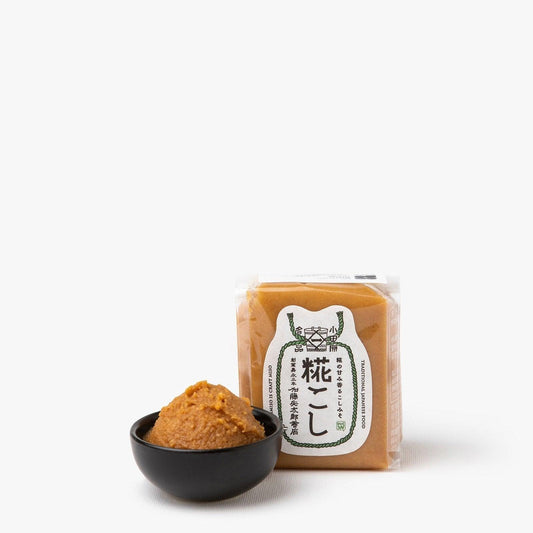
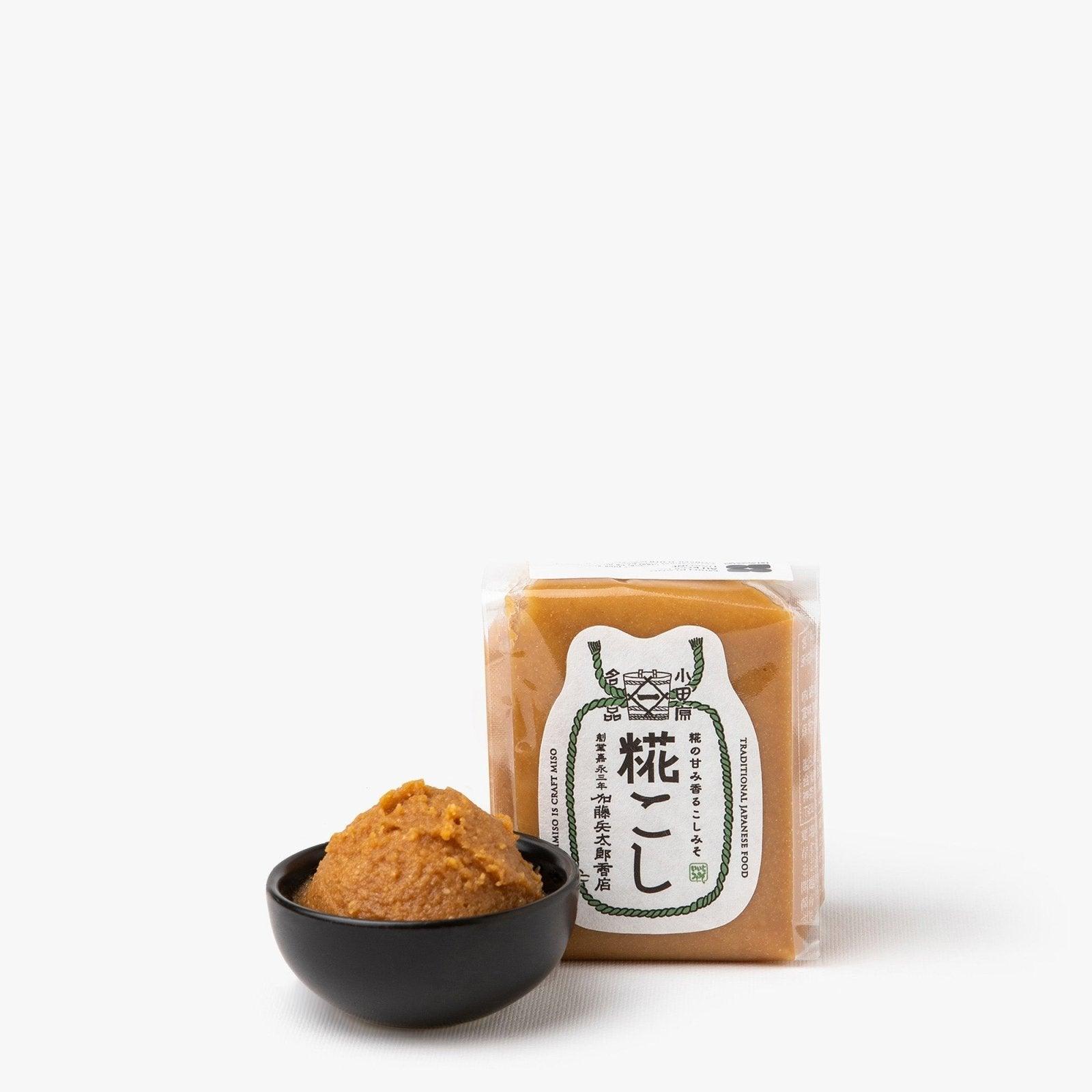
White miso with koji from Hakone ⋅ Kato Heitaro shoten ⋅ 200g
Regular price 5.50 €Prix promotionnel 5.50 € Regular pricePrice per unit 27.50 € / per kg5.0 / 5.05.0 / 5.05.0
14) 14 opinion
-
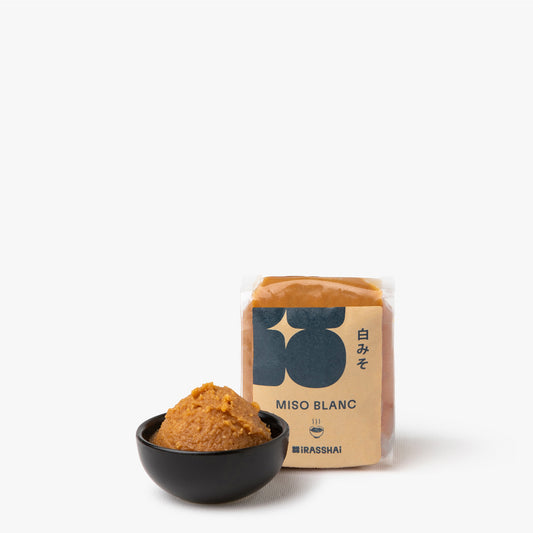
White miso ⋅ Kato Heitaro Shoten for iRASSHAi ⋅ 200g
Regular price 5.50 €Prix promotionnel 5.50 € Regular pricePrice per unit 27.50 € / per kg5.0 / 5.05.0 / 5.05.0
11) 11 opinion
-
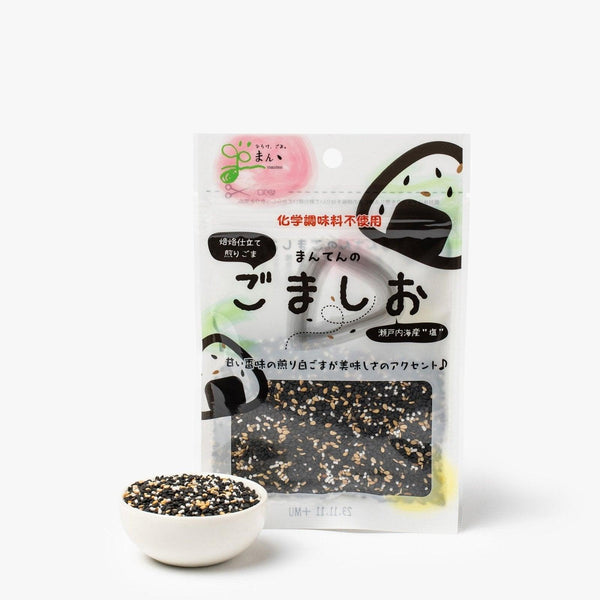
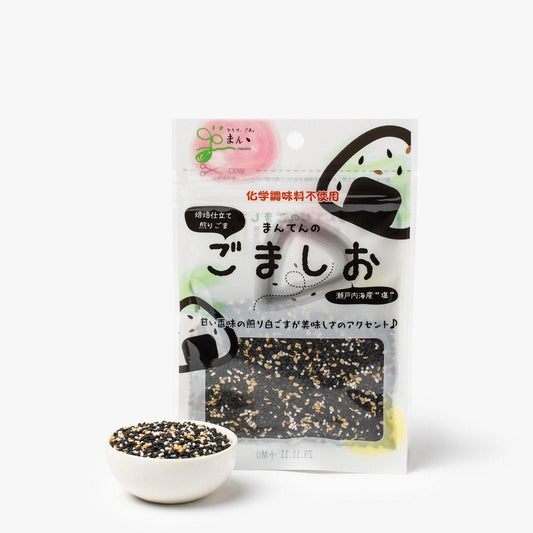
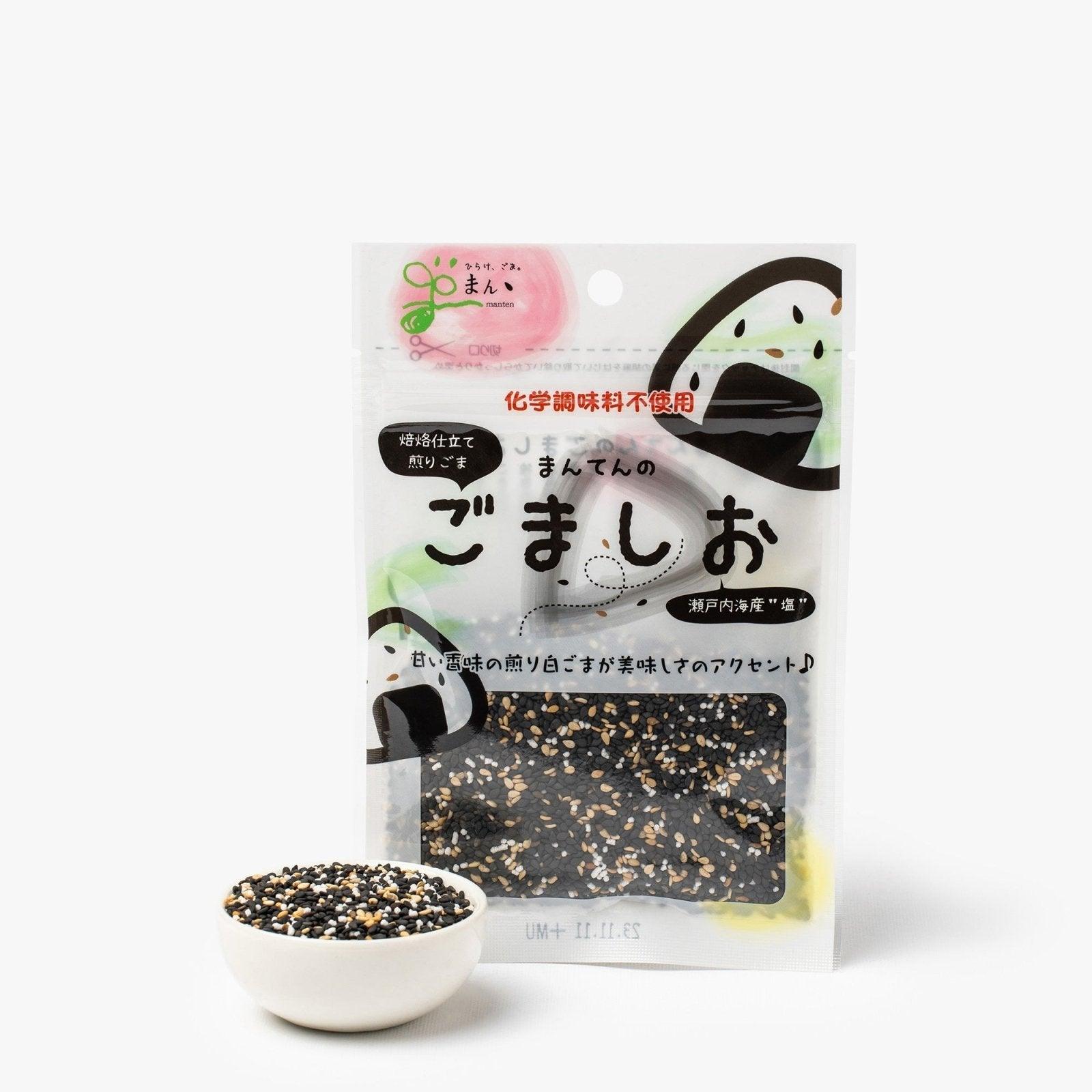
Roasted black and white sesame seeds with gomashio salt ⋅ Manten ⋅ 30g
Regular price 2.65 €Prix promotionnel 2.65 € Regular pricePrice per unit 88.33 € / per kg4.75 / 5.04.75 / 5.04.75
4) 4 opinion
-
Panko breadcrumbs ⋅ Hanayuki ⋅ 340g
Regular price 8.00 €Prix promotionnel 8.00 € Regular pricePrice per unit 23.53 € / per kg4.86 / 5.04.86 / 5.04.86
7) 7 opinion
-
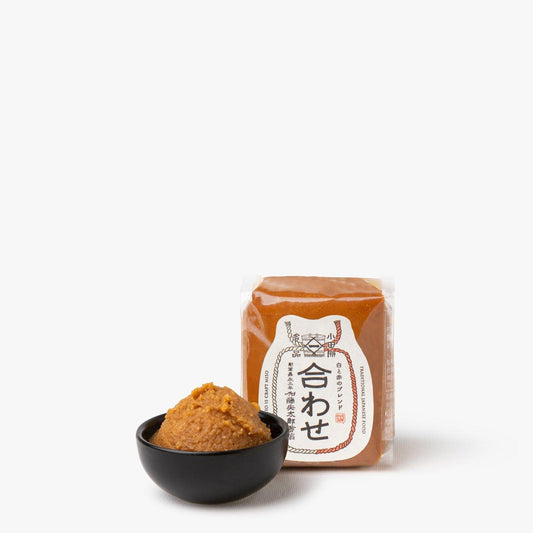
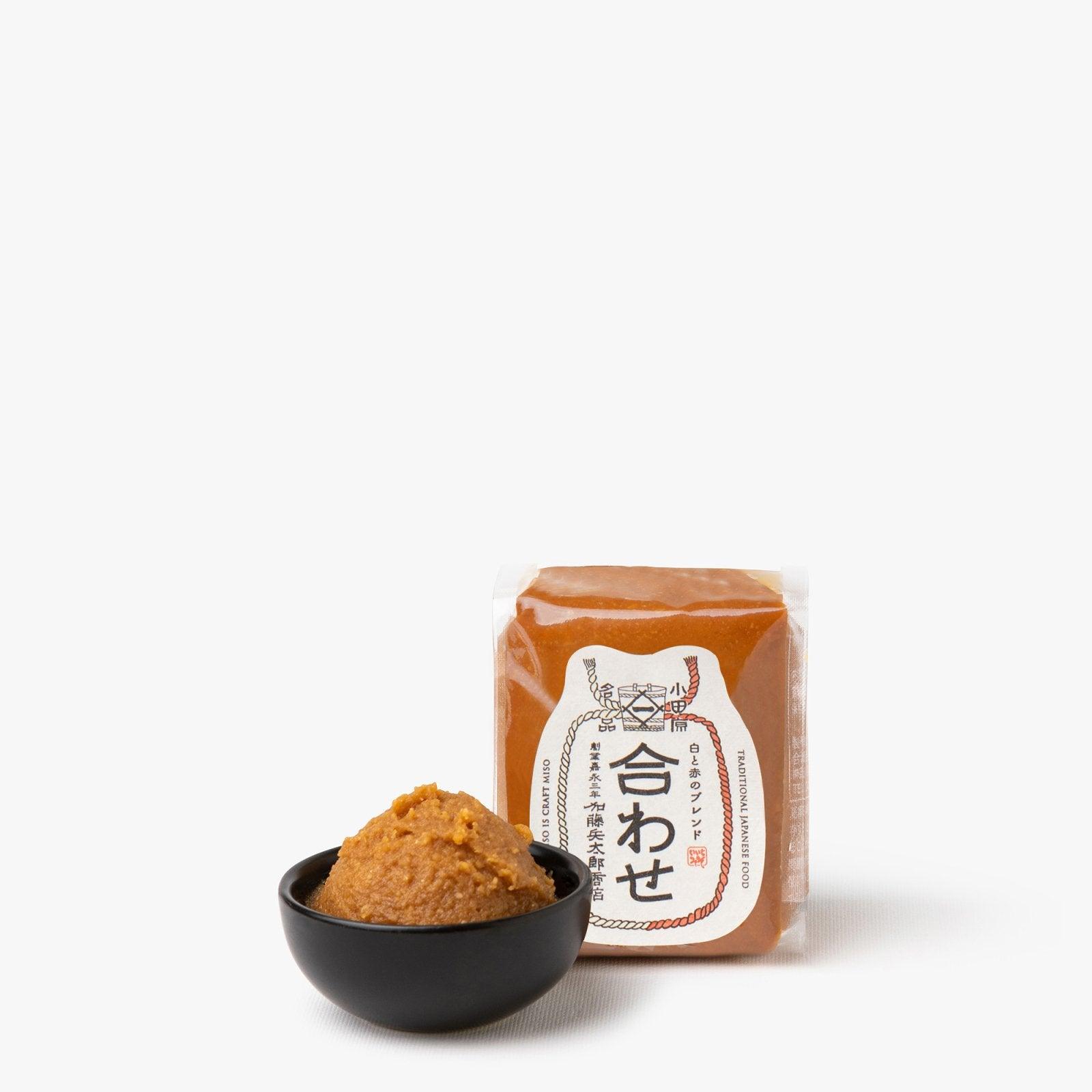
Hakone white and red miso blend ⋅ Kato Heitaro shoten ⋅ 200g
Regular price 5.50 €Prix promotionnel 5.50 € Regular pricePrice per unit 27.50 € / per kg5.0 / 5.05.0 / 5.05.0
7) 7 opinion
-
Honmirin ⋅ Takara Shuzo ⋅ 13% ⋅ 500ml
Regular price 9.70 €Prix promotionnel 9.70 € Regular pricePrice per unit 19.40 € / per l4.8 / 5.04.8 / 5.04.8
5) 5 opinion
-
Katsuobushi dried bonito chips ⋅ Makurazaki ⋅ 40g
Regular price 9.50 €Prix promotionnel 9.50 € Regular pricePrice per unit 237.50 € / per kg4.9 / 5.04.9 / 5.04.9
10) 10 opinion
-
Artisanal balanced soy sauce ⋅ Asarisasuke Shoten ⋅ 500ml
Regular price 6.25 €Prix promotionnel 6.25 € Regular pricePrice per unit 12.50 € / per l5.0 / 5.05.0 / 5.05.0
8) 8 opinion
Japanese cookery books
-
Book Japanese home cooking, 100 recipes ⋅ Marabout
Regular price 29.00 €Prix promotionnel 29.00 € Regular pricePrice per unit / per -
Book Tokyo, Les recettes ⋅ Marabout
Regular price 10.90 €Prix promotionnel 10.90 € Regular pricePrice per unit / per -
Japanese-style stickers: snacks ⋅ NB
Regular price 5.90 €Prix promotionnel 5.90 € Regular pricePrice per unit / per -
Book Mochi mochis, 40 Japanese sweets ⋅ Editions de la Martinière
Regular price 14.90 €Prix promotionnel 14.90 € Regular pricePrice per unit / per -
Book Ramen - 50 recipes for Japanese noodles with every sauce ⋅ Solar
Regular price 14.95 €Prix promotionnel 14.95 € Regular pricePrice per unit / per -
Book Izakaya - Japanese bistro cuisine ⋅ Hachette Pratique
Regular price 35.00 €Prix promotionnel 35.00 € Regular pricePrice per unit 100.00 € / per l -
Book Japon gourmand ⋅ Mango Editions
Regular price 32.00 €Prix promotionnel 32.00 € Regular pricePrice per unit / per -
Illustrated Japanese cooking book ⋅ Mango Editions
Regular price 13.50 €Prix promotionnel 13.50 € Regular pricePrice per unit / per