Anko's recipe: Sweet Azuki Bean Paste
Rated 3.6 stars by 31 users.
Portion
1 portion
Preparation time
10 minutes
Cooking time
2 hours
Anko (餡子) is a sweet paste made from red azuki beans, an essential ingredient in many traditional Japanese desserts, such as dorayaki or mochi. It embodies the natural sweetness of azuki beans, subtly sweetened, with a texture that can be smooth or grainy depending on the preparation. Easy to make, anko is perfect for adding an authentic Japanese touch to your desserts.
In Japanese culture, anko is a mainstay of traditional pastry-making, appreciated for its natural sweetness and delicate taste. It's made with simple ingredients: azuki beans, water and sugar. There are two main varieties of anko: koshian (smooth dough) and tsubuan (grainy dough). This recipe features the grainy version (tsubuan), which is more rustic but just as delicious. It can be used as is in pastries or as a topping for other Japanese preparations.
Ingredients
-
200 g red azuki beans
-
150 g sugar (adjust according to sweetness preference)
-
A pinch of salt
Instructions
Rinse the azuki beans under cold water.
Place in a large saucepan, cover with water and bring to the boil. After boiling for 5 minutes, drain the beans and return them to the pan. This process, known as shibunuki, eliminates the beans' natural bitterness.
When the beans are sufficiently tender (you should be able to squeeze them between your fingers), drain them partially, reserving a little of the cooking water.
Return the beans to the pan, add the sugar and a pinch of salt. Mix well, then cook over low heat, stirring constantly, for around 10-15 minutes, until the mixture thickens and the beans absorb the sugar.
Add fresh water to the pot (about 4 to 5 times the volume of the beans). Bring to the boil again, then reduce the heat and simmer on a low heat for about 1 to 1? hours, or until the beans are tender. Check from time to time, and add water if necessary to keep the beans submerged.
If you prefer a smoother texture (as with koshian), you can strain the cooked beans or use a blender to obtain a homogeneous paste. For the tsubuan (grainy) version, leave the beans slightly mashed, with some pieces left.
Remove from heat and allow to cool to room temperature. The paste will continue to thicken as it cools.
Transfer the anko to an airtight container for refrigeration (up to one week) or to the freezer for longer storage.
Recipe notes
Uses of Anko
Anko is a versatile filling in Japanese pastry. Here are a few examples:
Dorayaki Japanese pancakes with anko filling.
Taiyaki Fish-shaped cakes, often filled with azuki bean paste.
Daifuku Mochis filled with anko.
Zenzai or Oshiruko: Sweet bean soup, often topped with mochi.
Azuki beans have a long history in Japan, dating back over 2,000 years. Originally used in religious rituals for their red color (symbolizing protection against evil spirits), they have become a staple ingredient in Japanese sweets. Anko is particularly popular during festivals and celebrations, where it is considered a symbol of good luck and prosperity.
Our product selection for this recipe:
Japanese cooking essentials
-
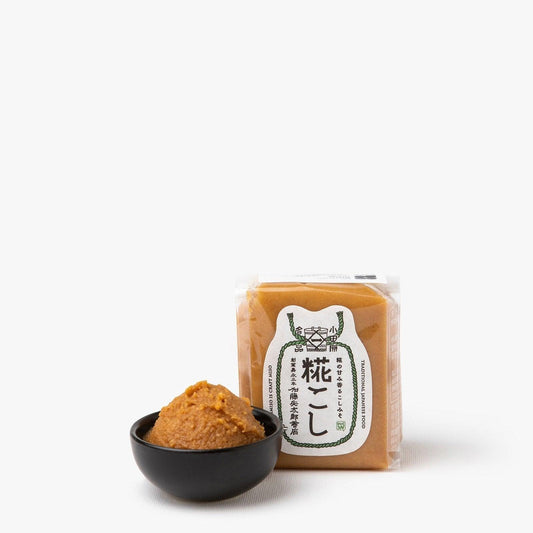
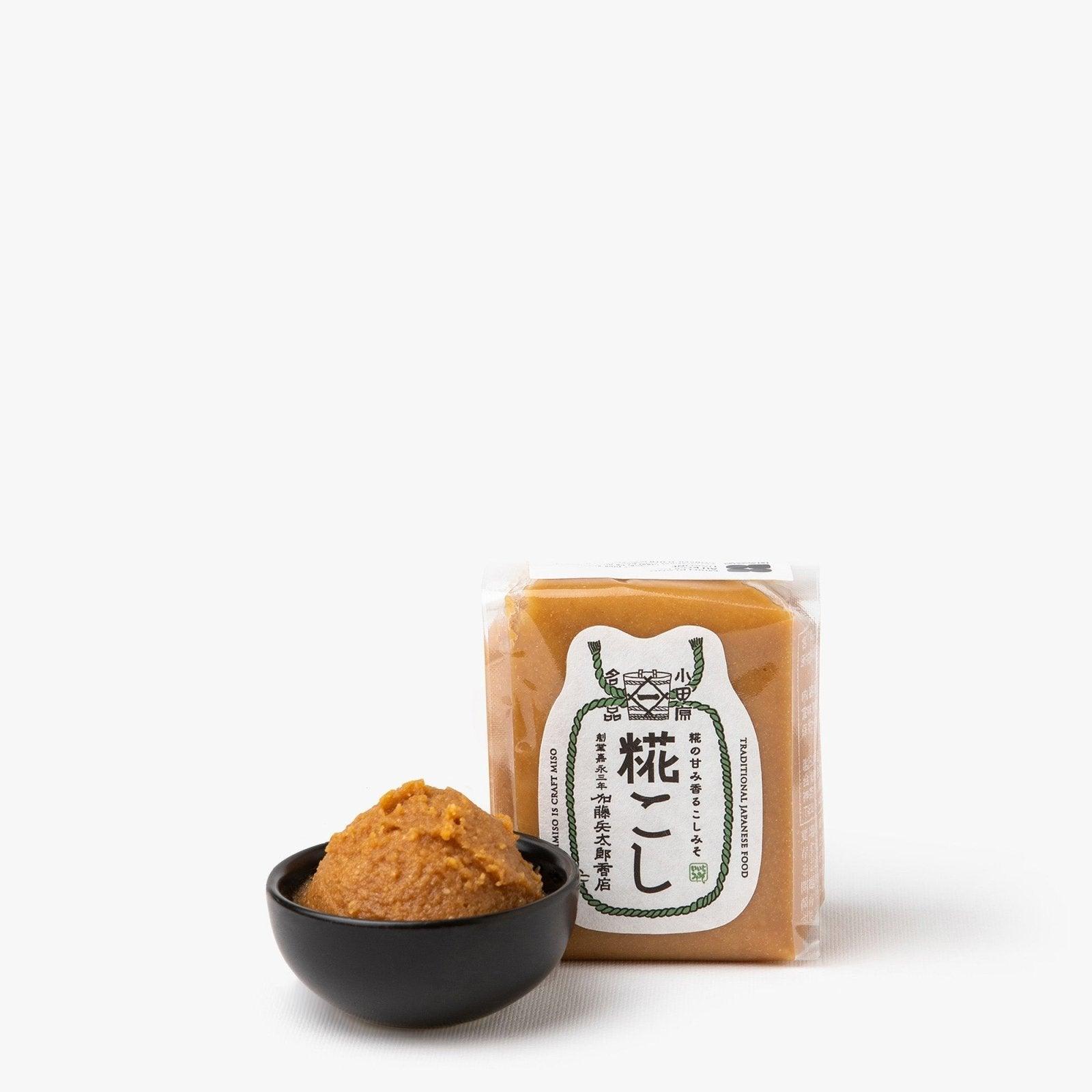
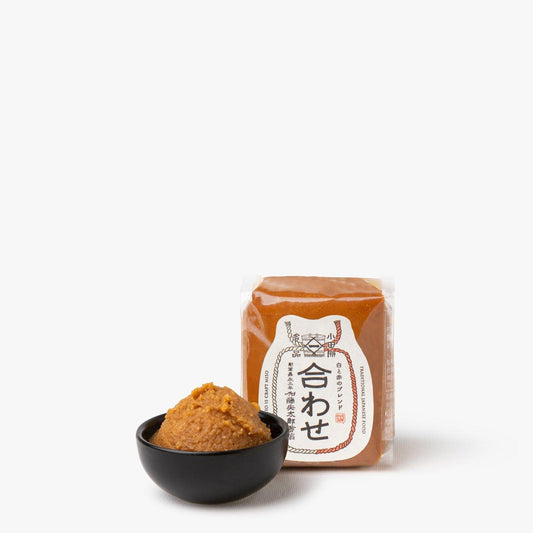
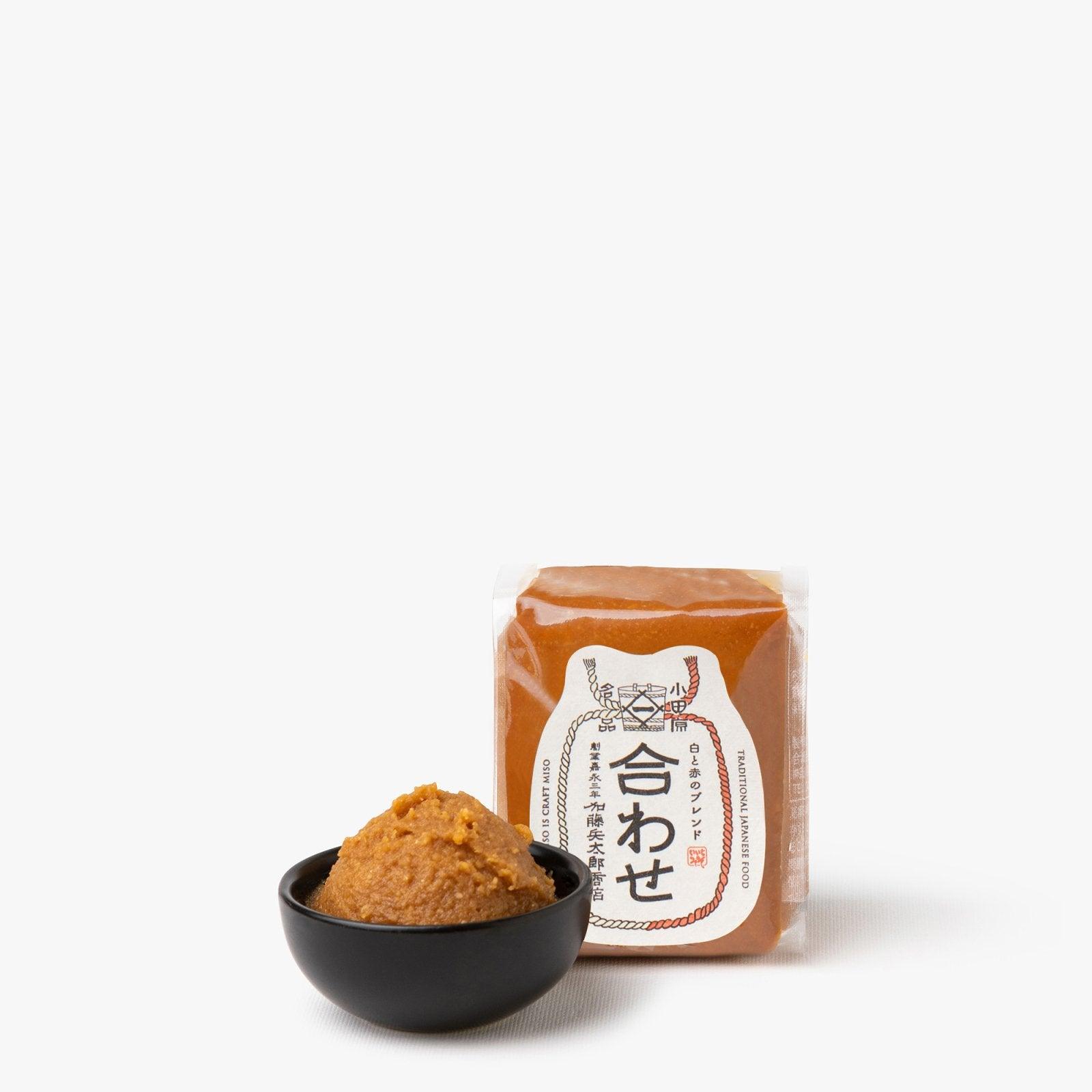
White miso with koji from Hakone ⋅ Kato Heitaro shoten ⋅ 200g
Regular price 5.50 €Prix promotionnel 5.50 € Regular pricePrice per unit 27.50 € / per kg5.0 / 5.05.0 / 5.05.0
15) 15 opinion
-
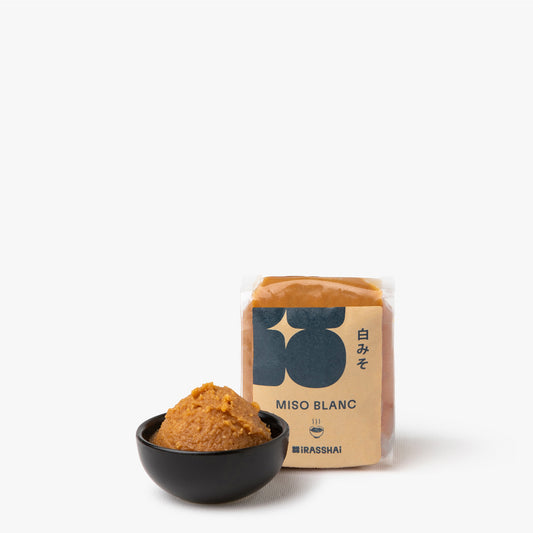
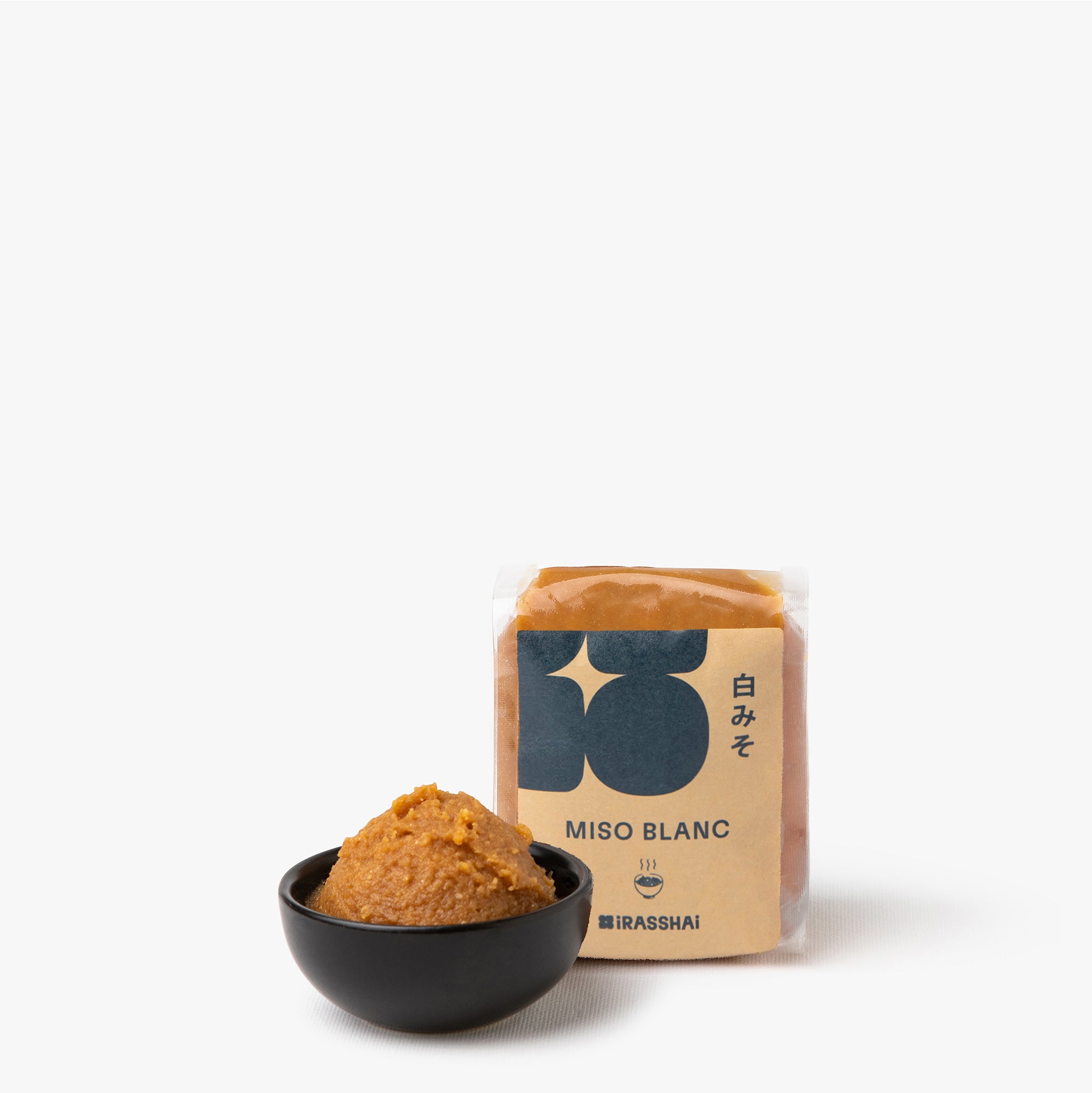
White miso ⋅ Kato Heitaro Shoten for iRASSHAi ⋅ 200g
Regular price 5.50 €Prix promotionnel 5.50 € Regular pricePrice per unit 27.50 € / per kg5.0 / 5.05.0 / 5.05.0
13) 13 opinion
-
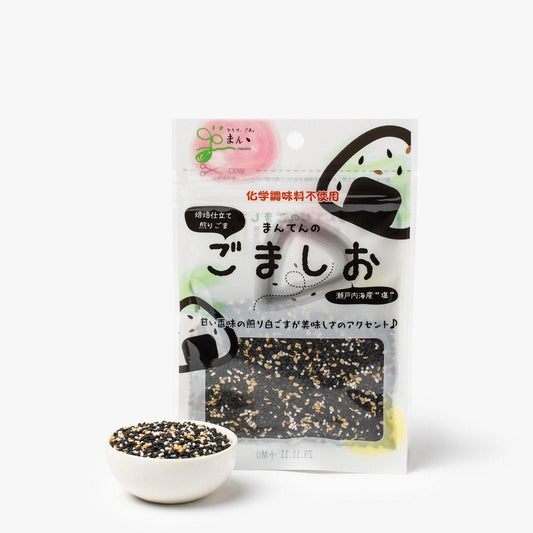
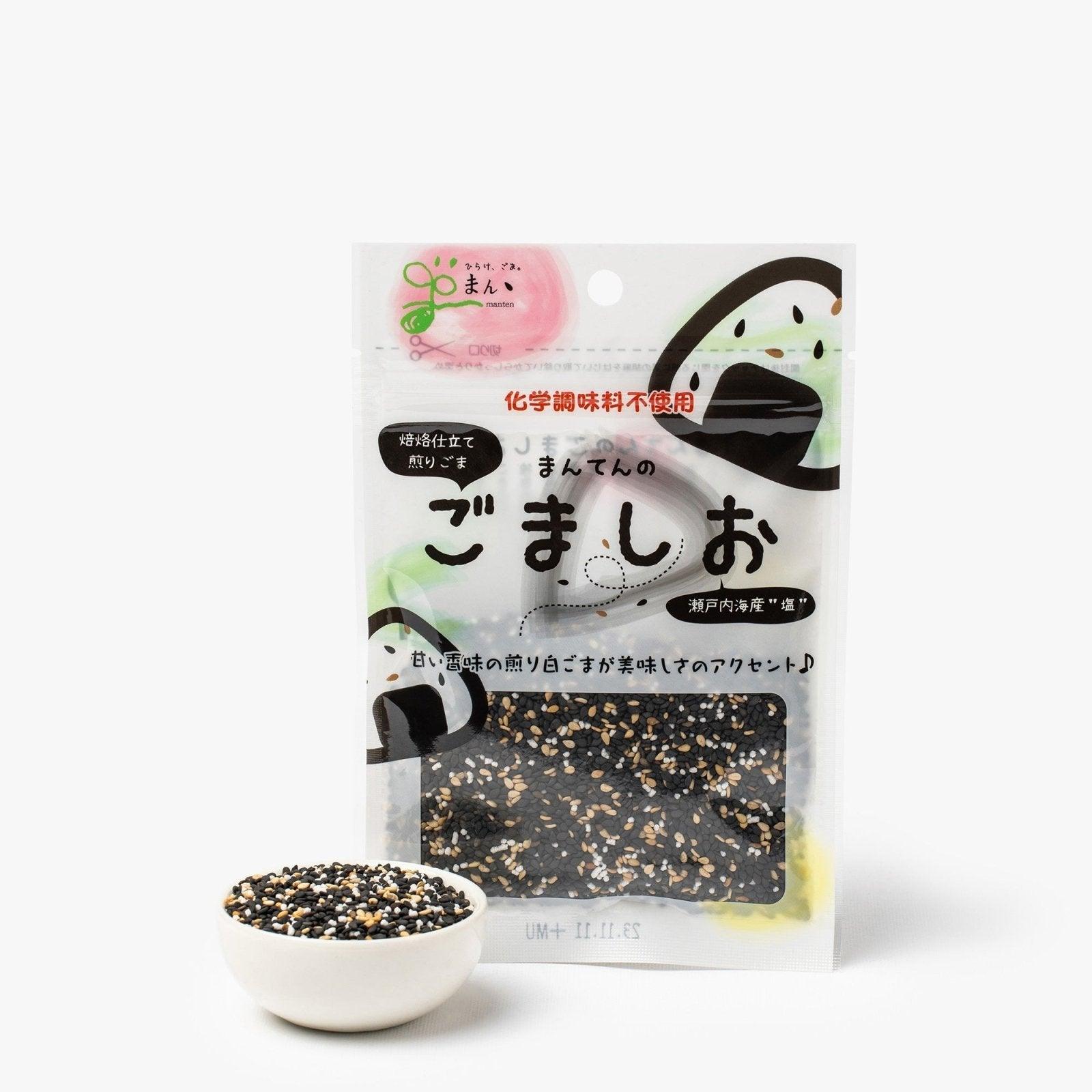
Roasted black and white sesame seeds with gomashio salt ⋅ Manten ⋅ 30g
Regular price 2.65 €Prix promotionnel 2.65 € Regular pricePrice per unit 88.33 € / per kg4.75 / 5.04.75 / 5.04.75
4) 4 opinion
-
Panko breadcrumbs ⋅ Hanayuki ⋅ 340g
Regular price 8.00 €Prix promotionnel 8.00 € Regular pricePrice per unit 23.53 € / per kg4.86 / 5.04.86 / 5.04.86
7) 7 opinion
-
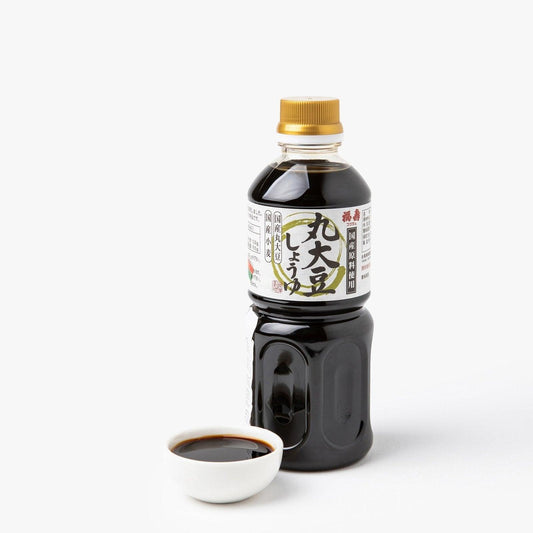
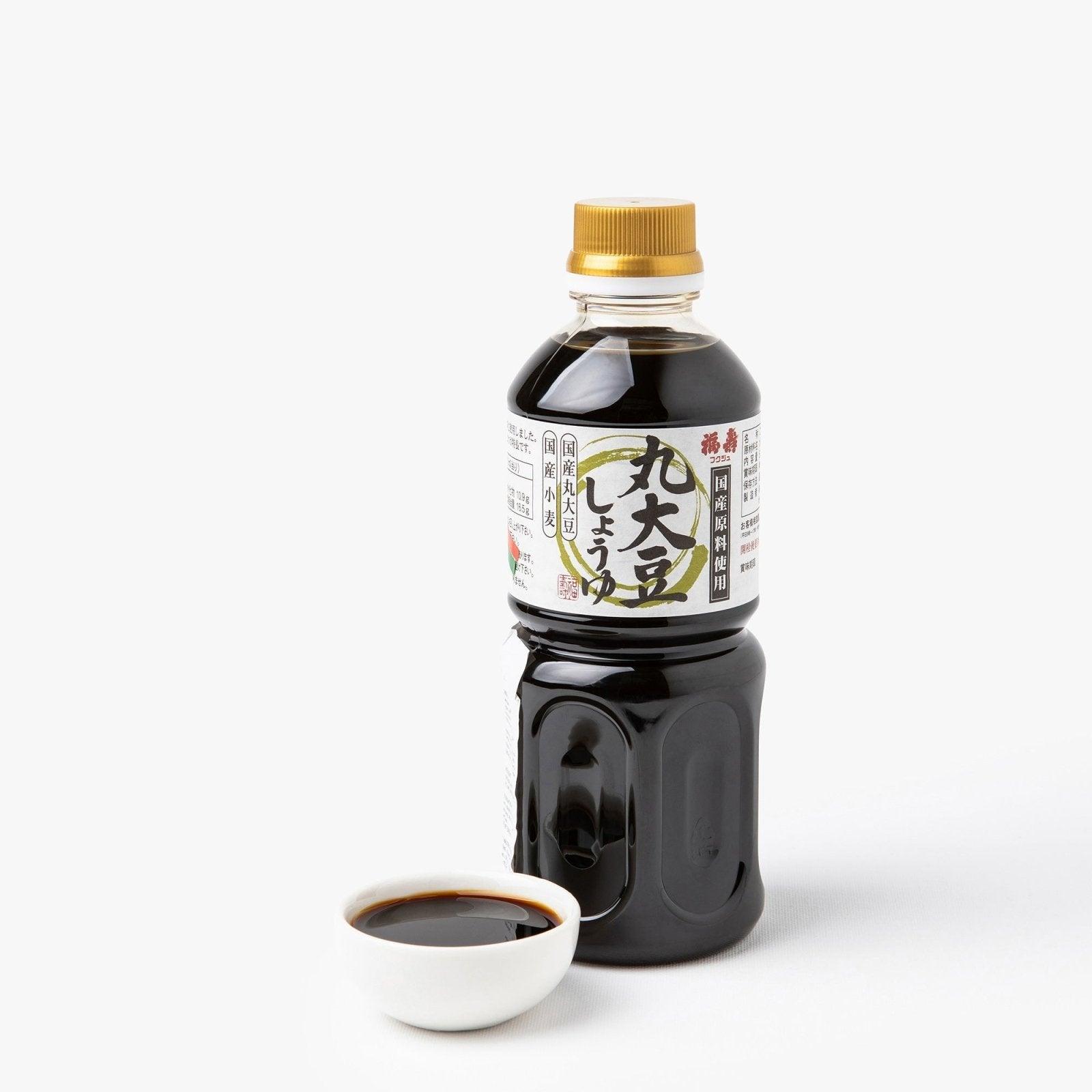
Artisanal balanced soy sauce ⋅ Asarisasuke Shoten ⋅ 500ml
Regular price 6.25 €Prix promotionnel 6.25 € Regular pricePrice per unit 12.50 € / per l5.0 / 5.05.0 / 5.05.0
8) 8 opinion
-
Honmirin ⋅ Takara Shuzo ⋅ 13% ⋅ 500ml
Regular price 9.70 €Prix promotionnel 9.70 € Regular pricePrice per unit 19.40 € / per l4.8 / 5.04.8 / 5.04.8
5) 5 opinion
-
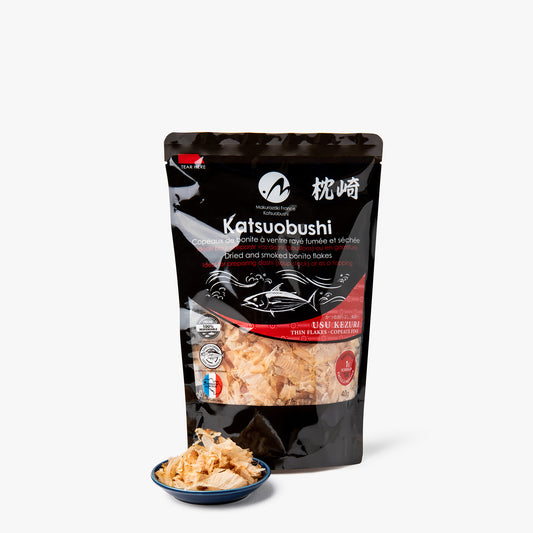
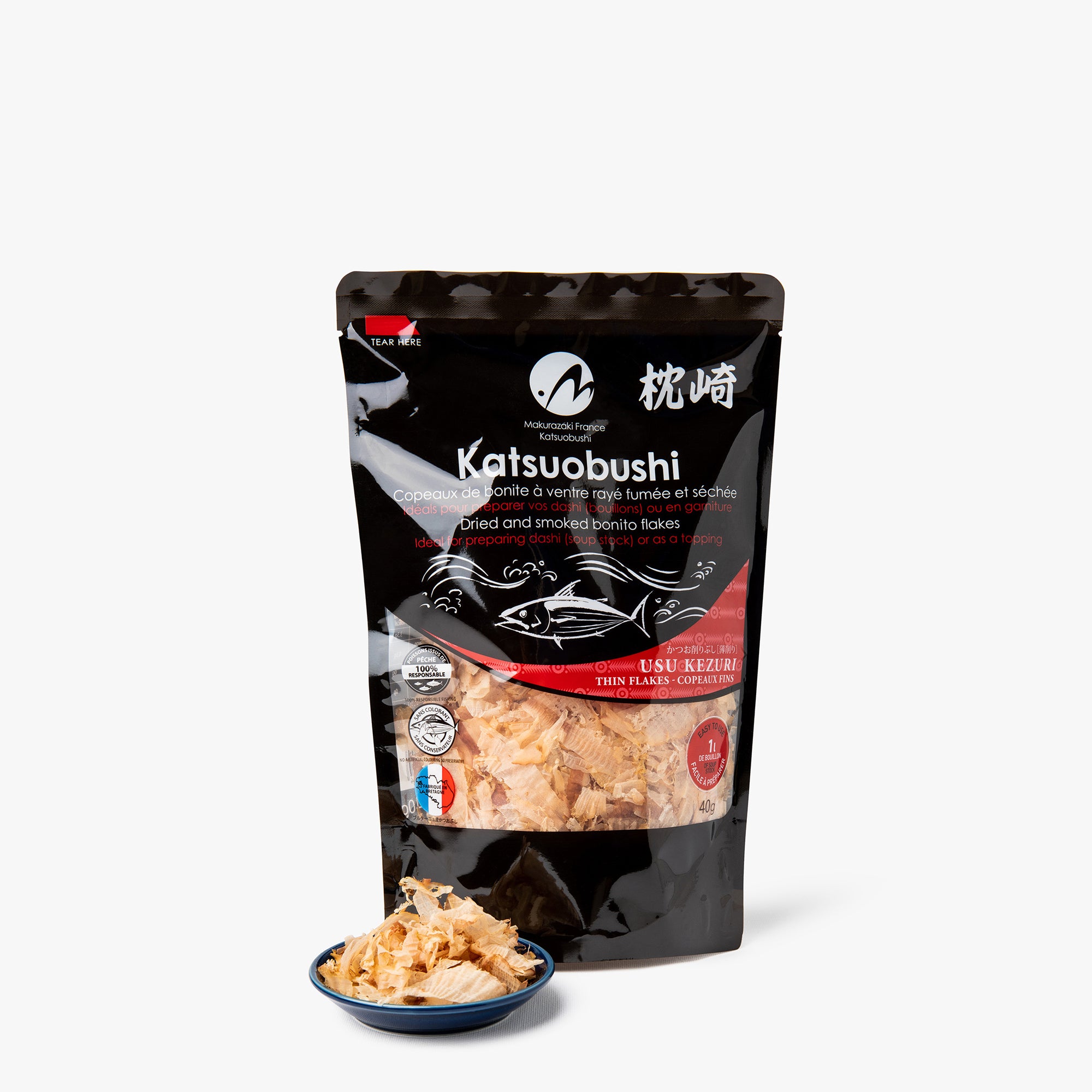
Katsuobushi dried bonito chips ⋅ Makurazaki ⋅ 40g
Regular price 9.50 €Prix promotionnel 9.50 € Regular pricePrice per unit 237.50 € / per kg4.9 / 5.04.9 / 5.04.9
10) 10 opinion
-
Tatsuno Smoked Soy Sauce ⋅ Suehiro Soy Sauce ⋅ 100ml
Regular price 8.10 €Prix promotionnel 8.10 € Regular pricePrice per unit 81.00 € / per l4.86 / 5.04.86 / 5.04.86
7) 7 opinion
Japanese cookery books
-
Book Japanese home cooking, 100 recipes ⋅ Marabout
Regular price 29.00 €Prix promotionnel 29.00 € Regular pricePrice per unit / per -
Book Tokyo, Les recettes ⋅ Marabout
Regular price 10.90 €Prix promotionnel 10.90 € Regular pricePrice per unit / per -
Japanese-style stickers: snacks ⋅ NB
Regular price 5.90 €Prix promotionnel 5.90 € Regular pricePrice per unit / per -
Book Ramen - 50 recipes for Japanese noodles with every sauce ⋅ Solar
Regular price 14.95 €Prix promotionnel 14.95 € Regular pricePrice per unit / per -
Illustrated Japanese cooking book ⋅ Mango Editions
Regular price 13.50 €Prix promotionnel 13.50 € Regular pricePrice per unit / per -
Book Mochi mochis, 40 Japanese sweets ⋅ Editions de la Martinière
Regular price 14.90 €Prix promotionnel 14.90 € Regular pricePrice per unit / per -
Book Izakaya - Japanese bistro cuisine ⋅ Hachette Pratique
Regular price 35.00 €Prix promotionnel 35.00 € Regular pricePrice per unit 100.00 € / per l -
Book Onigiri. Japanese filled rice balls. (New Edition) ⋅ First
Regular price 12.95 €Prix promotionnel 12.95 € Regular pricePrice per unit / per