Recipe for Taiyaki, Japanese waffle with fish filling
Rated 3.4 stars by 27 users.
Portion
4
Preparation time
15 minutes
Cooking time
15 minutes
Taiyaki is a Japanese fish-shaped dessert, traditionally filled with anko, a sweet red bean paste. The word "taiyaki" literally means "grilled sea bream", although the dish is entirely sweet. This dessert is very popular at festivals and street markets in Japan. Its crispy golden crust encloses a sweet filling, creating a delicious contrast of textures and flavors. Taiyaki is often prepared using a fish-shaped mold, which gives it its characteristic appearance.
Ingredients
- 200 g flour
- 1 teaspoon baking powder
-
50 g sugar
-
1 pinch salt
- 1 egg
- 250 ml milk
- 1 tablespoon vegetable oil (or melted butter)
-
200 g anko (sweet red bean paste) - you can also prepare it yourself
Instructions
In a large bowl, sift flour, baking powder, sugar and salt.
In a separate bowl, beat egg with milk and oil (or melted butter). Gradually add the liquid mixture to the dry ingredients, mixing until smooth.
Preheat the taiyaki mold over medium heat and brush lightly with oil to prevent the dough from sticking.
Pour a small amount of batter into each half of the mould, making sure it covers the edges well. Add a spoonful of anko filling to the center of each mold, then cover with a little batter to enclose the filling. Close the pan and bake each side for about 10 to 15 minutes, or until the pastry is golden and crisp.
Carefully remove the taiyaki from the tin and cool slightly on a wire rack before serving.
Recipe notes
The origins of taiyaki lie in imagawa-yaki, round cakes filled with anko, which were popularized in Tokyo during the Edo era. Taiyaki first appeared in Tokyo in the late 19th century and quickly became popular thanks to its fish shape, which is associated with good luck and prosperity in Japanese culture.
Although anko is the traditional filling for taiyaki, today there are many modern variations, including custard, chocolate, matcha and even cheese fillings. Taiyaki are often eaten hot, straight from the mold, and make an excellent comforting snack, especially in winter.
Taiyaki are fish-shaped because of their cultural origin and symbolism in Japan. Here are a few reasons why the choice of the fish shape, particularly sea bream (tai), is significant:
1. Symbolism of Sea Bream (Tai): The word "tai" in taiyaki refers to sea bream (tai in Japanese), a fish highly prized in Japan for its delicious taste and symbolic value. Sea bream is often associated with good luck and prosperity, and is often served at celebrations and special occasions, such as weddings and New Year's Eve. The shape of the sea bream gives taiyaki a positive, festive connotation.
2. Word game: In Japanese, "medetai" means "joyful" or "auspicious". The word "tai" is also present in "medetai", reinforcing the association of fish with luck and happiness. The choice of sea bream for the shape of taiyaki therefore plays on this play on words, reinforcing the idea of happiness and celebration.
3. Visual appeal: The fish shape makes taiyaki visually appealing and distinctive, setting it apart from other pastries. Its fun, unique shape attracts people, especially children, and makes it a popular choice at festivals and street markets.
4. Evolution History: Taiyaki appeared in Tokyo at the end of the 19th century, when imagawa-yaki, round cakes with anko filling, were already popular. By giving these cakes a new fish shape, sellers were able to create a differentiated product that quickly gained in popularity thanks to its visual appeal and cultural symbolism.
In short, the fish shape of taiyaki is not just a matter of culinary tradition, but also embodies deeply rooted cultural and symbolic values in Japanese society, associating the dish with good luck, joy and celebration.
Our product selection for this recipe:
Japanese cooking essentials
-
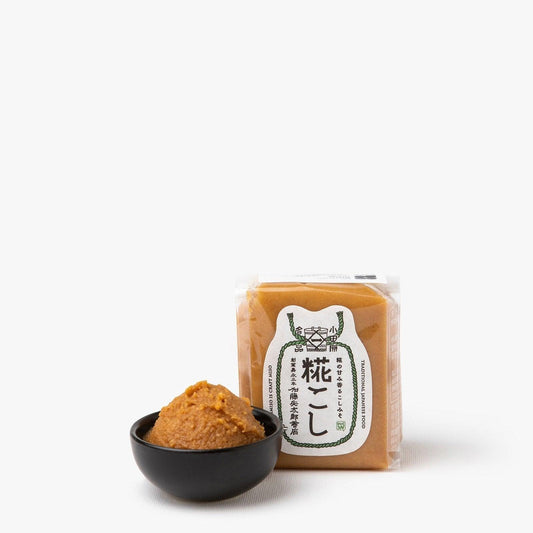
White miso with koji from Hakone ⋅ Kato Heitaro shoten ⋅ 200g
Regular price 5.50 €Prix promotionnel 5.50 € Regular pricePrice per unit 27.50 € / per kg5.0 / 5.05.0 / 5.05.0
14) 14 opinion
-
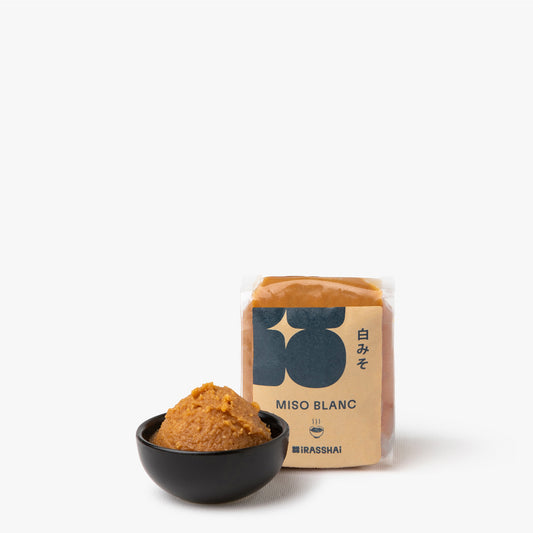
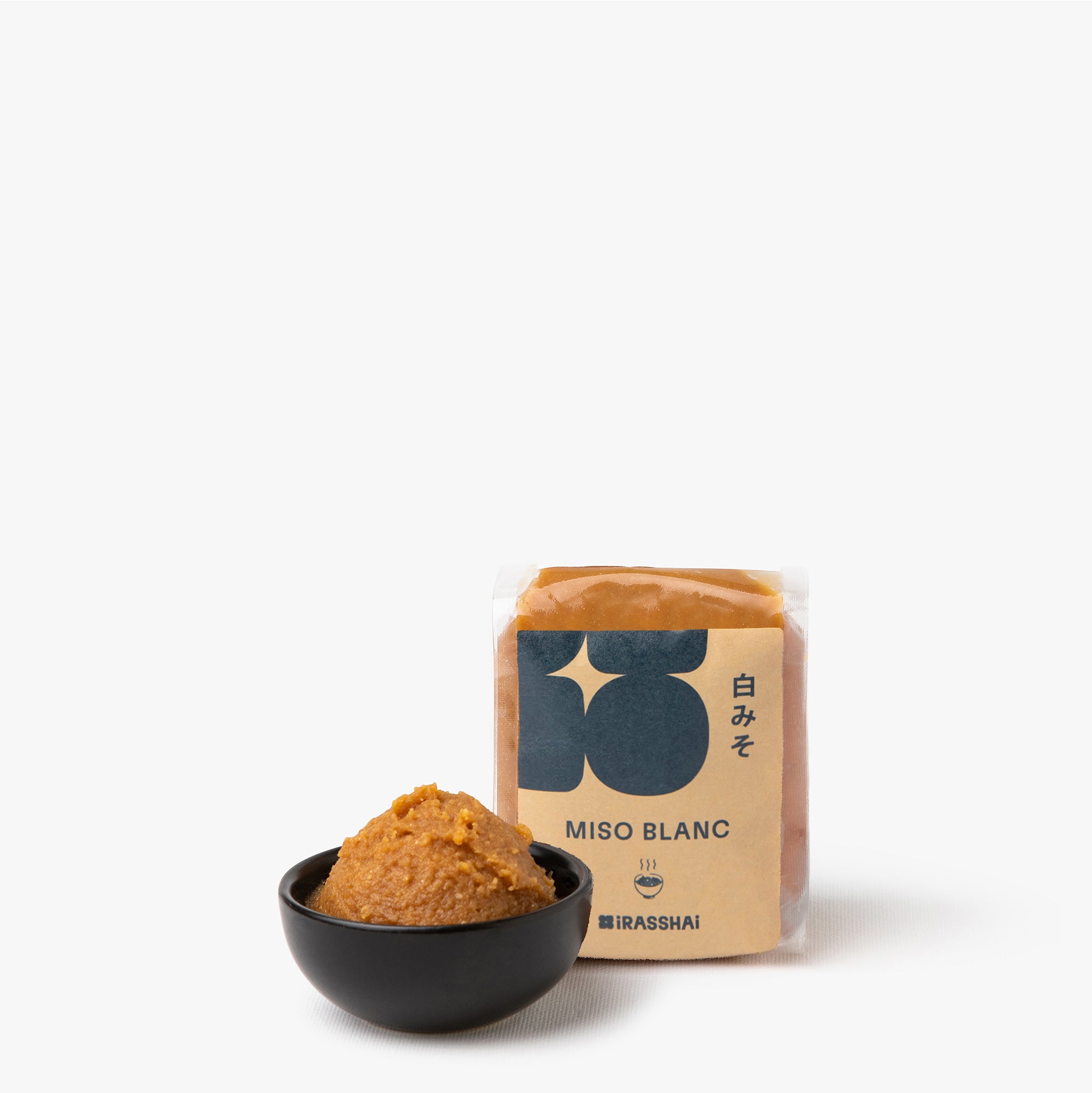
White miso ⋅ Kato Heitaro Shoten for iRASSHAi ⋅ 200g
Regular price 5.50 €Prix promotionnel 5.50 € Regular pricePrice per unit 27.50 € / per kg5.0 / 5.05.0 / 5.05.0
12) 12 opinion
-
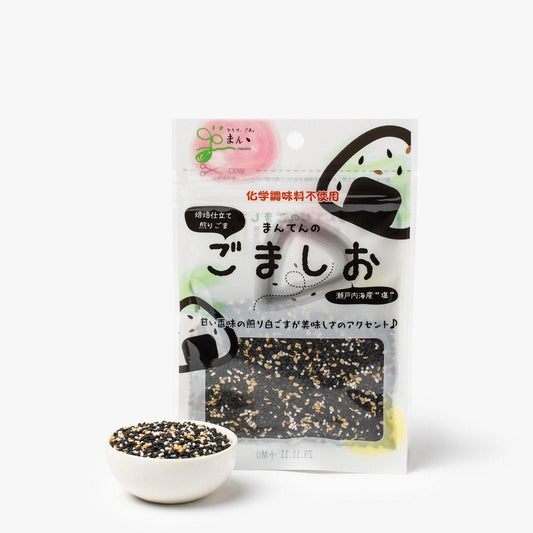
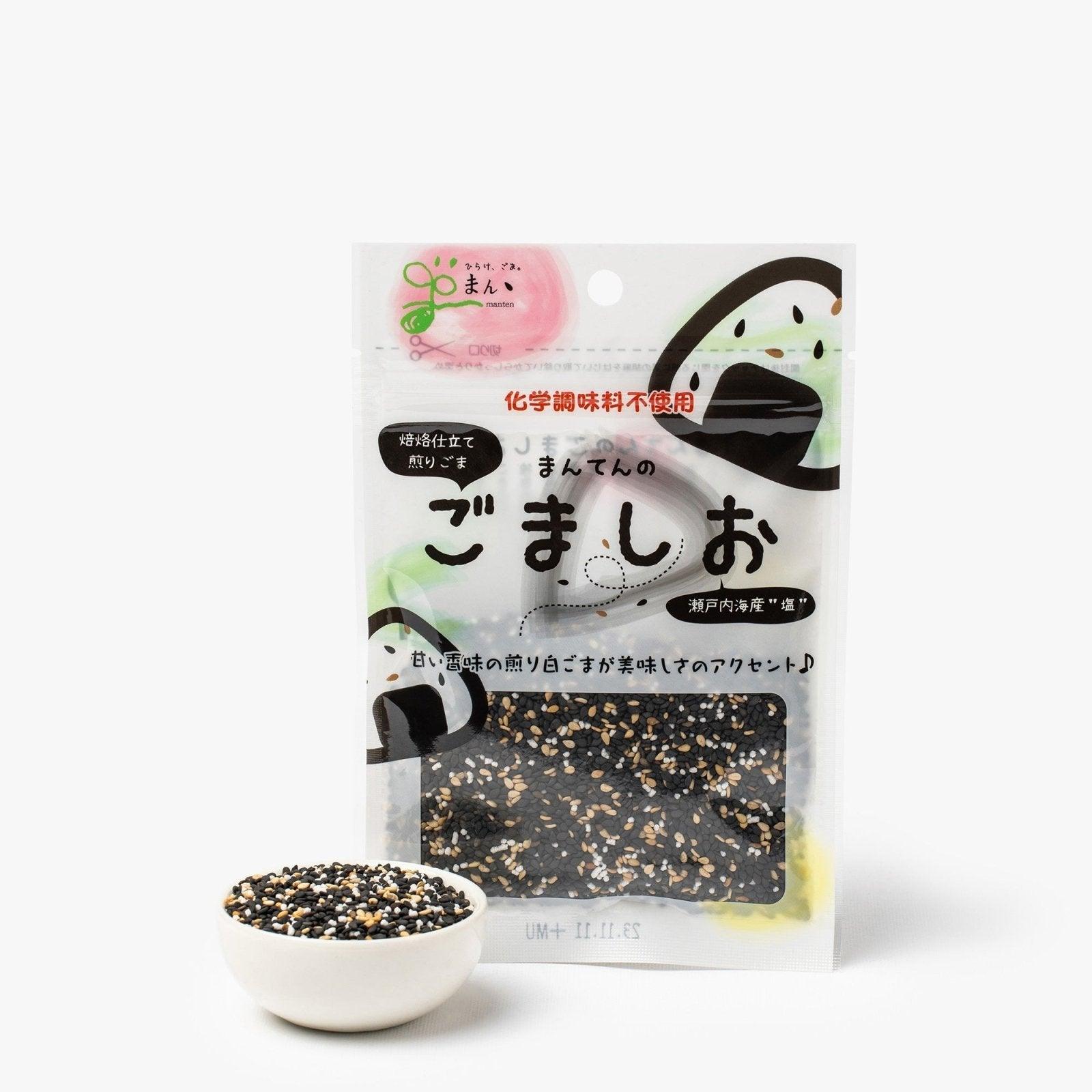
Roasted black and white sesame seeds with gomashio salt ⋅ Manten ⋅ 30g
Regular price 2.65 €Prix promotionnel 2.65 € Regular pricePrice per unit 88.33 € / per kg4.75 / 5.04.75 / 5.04.75
4) 4 opinion
-
Panko breadcrumbs ⋅ Hanayuki ⋅ 340g
Regular price 8.00 €Prix promotionnel 8.00 € Regular pricePrice per unit 23.53 € / per kg4.86 / 5.04.86 / 5.04.86
7) 7 opinion
-
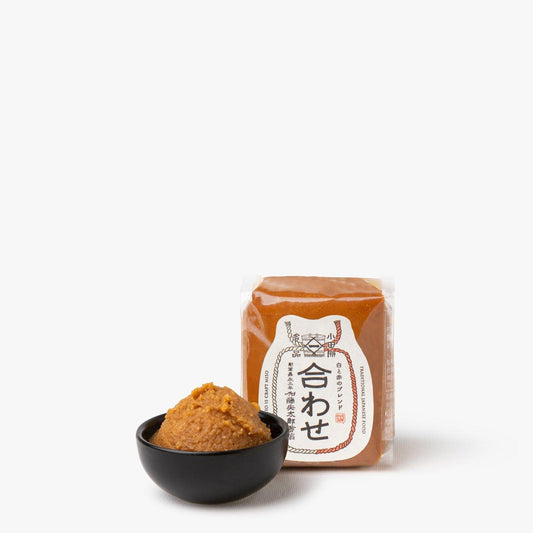
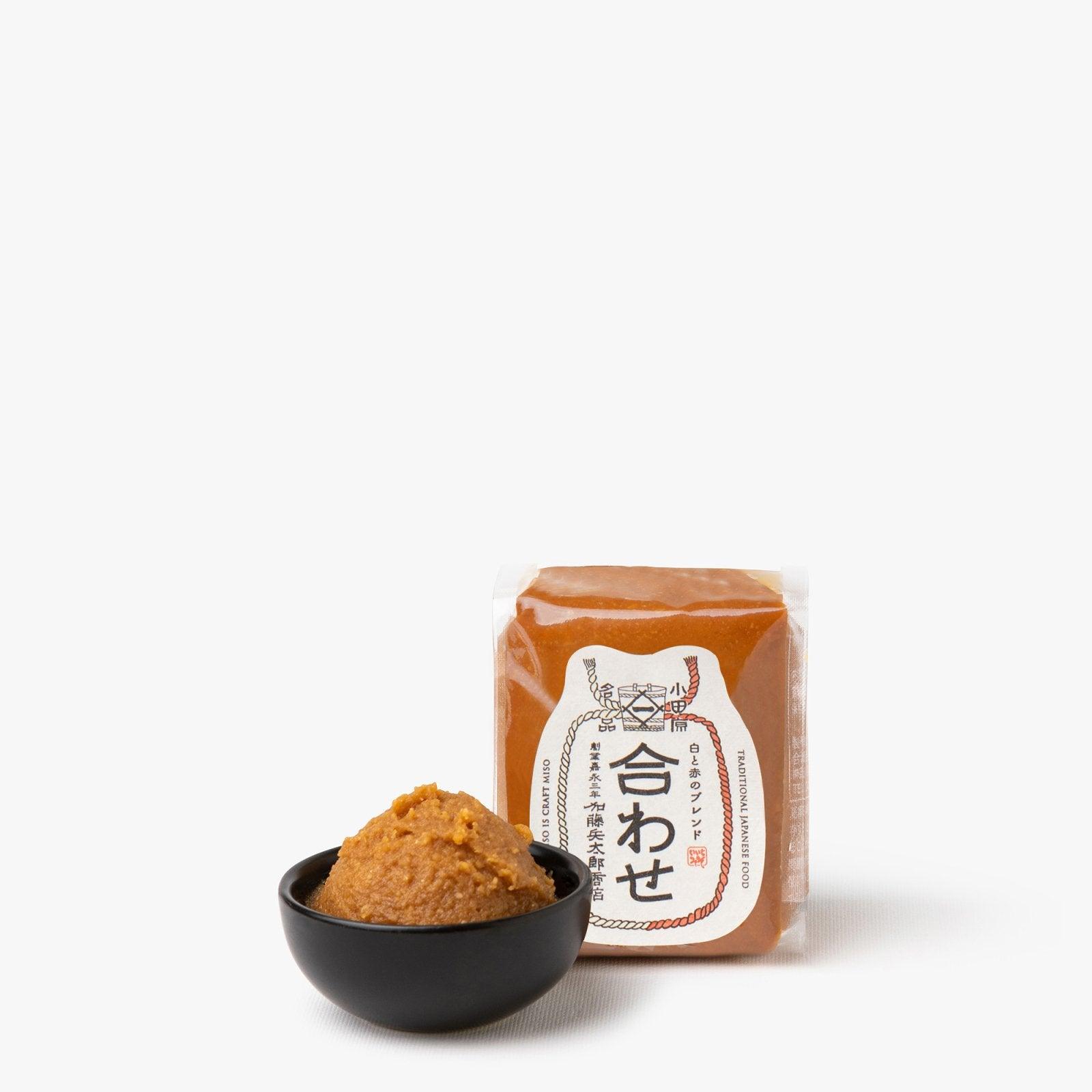
Hakone white and red miso blend ⋅ Kato Heitaro shoten ⋅ 200g
Regular price 5.50 €Prix promotionnel 5.50 € Regular pricePrice per unit 27.50 € / per kg5.0 / 5.05.0 / 5.05.0
7) 7 opinion
-
Honmirin ⋅ Takara Shuzo ⋅ 13% ⋅ 500ml
Regular price 9.70 €Prix promotionnel 9.70 € Regular pricePrice per unit 19.40 € / per l4.8 / 5.04.8 / 5.04.8
5) 5 opinion
-
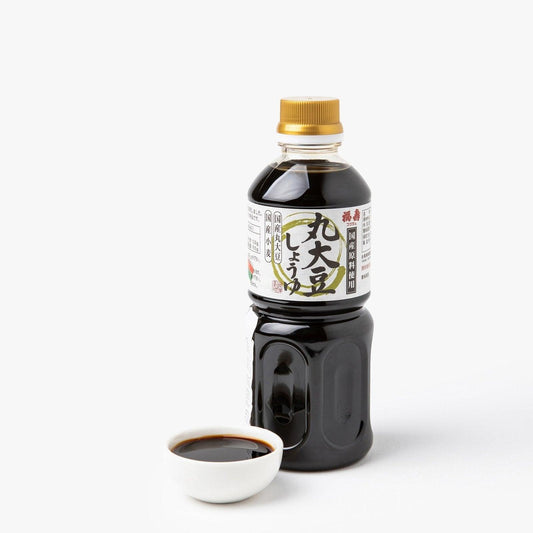
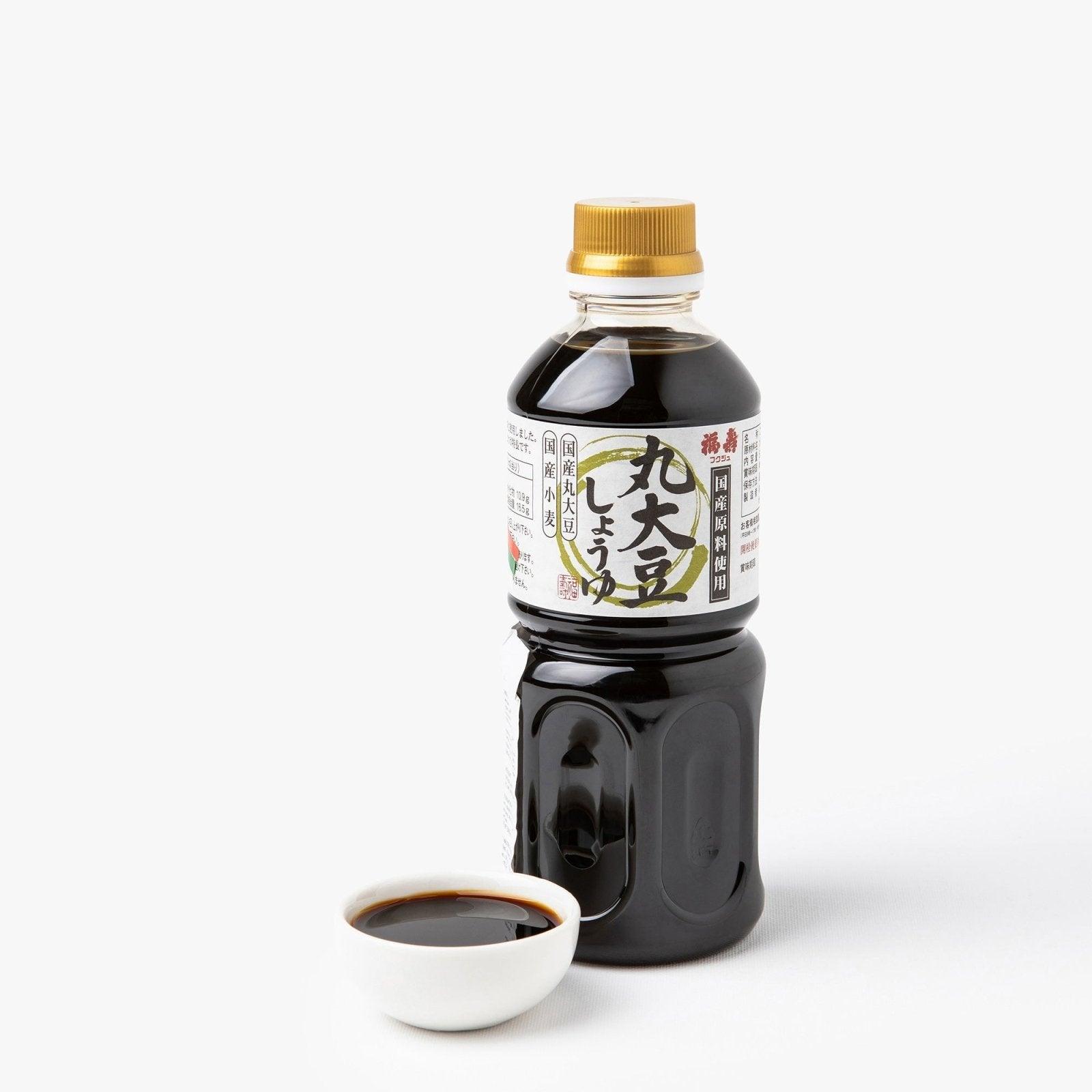
Artisanal balanced soy sauce ⋅ Asarisasuke Shoten ⋅ 500ml
Regular price 6.25 €Prix promotionnel 6.25 € Regular pricePrice per unit 12.50 € / per l5.0 / 5.05.0 / 5.05.0
8) 8 opinion
-
Tatsuno Smoked Soy Sauce ⋅ Suehiro Soy Sauce ⋅ 100ml
Regular price 8.10 €Prix promotionnel 8.10 € Regular pricePrice per unit 81.00 € / per l4.86 / 5.04.86 / 5.04.86
7) 7 opinion
Japanese cookery books
-
Book Japanese home cooking, 100 recipes ⋅ Marabout
Regular price 29.00 €Prix promotionnel 29.00 € Regular pricePrice per unit / per -
Book Tokyo, Les recettes ⋅ Marabout
Regular price 10.90 €Prix promotionnel 10.90 € Regular pricePrice per unit / per -
Japanese-style stickers: snacks ⋅ NB
Regular price 5.90 €Prix promotionnel 5.90 € Regular pricePrice per unit / per -
Book Mochi mochis, 40 Japanese sweets ⋅ Editions de la Martinière
Regular price 14.90 €Prix promotionnel 14.90 € Regular pricePrice per unit / per -
Book Ramen - 50 recipes for Japanese noodles with every sauce ⋅ Solar
Regular price 14.95 €Prix promotionnel 14.95 € Regular pricePrice per unit / per -
Book Izakaya - Japanese bistro cuisine ⋅ Hachette Pratique
Regular price 35.00 €Prix promotionnel 35.00 € Regular pricePrice per unit 100.00 € / per l -
Illustrated Japanese cooking book ⋅ Mango Editions
Regular price 13.50 €Prix promotionnel 13.50 € Regular pricePrice per unit / per -
Book Onigiri. Japanese filled rice balls. (New Edition) ⋅ First
Regular price 12.95 €Prix promotionnel 12.95 € Regular pricePrice per unit / per