

Recipe Onsen tamago, Japanese low-temperature egg
Onsen tamago (温泉卵), or "hot spring eggs", are eggs cooked at low temperatures in water at around 65°C to 70°C, a method inspired by Japanese thermal baths (onsen). The result is a delicately gelatinous egg white and a perfectly runny yolk. They are often served as an accompaniment to noodle dishes, in soups or salads, offering a melt-in-the-mouth texture and subtle flavor. It's a traditional and simple way to enjoy eggs in Japanese culture, but one that requires a little patience.
Ingredients
- 2 fresh eggs (preferably organic or high quality)
- Water (for cooking)
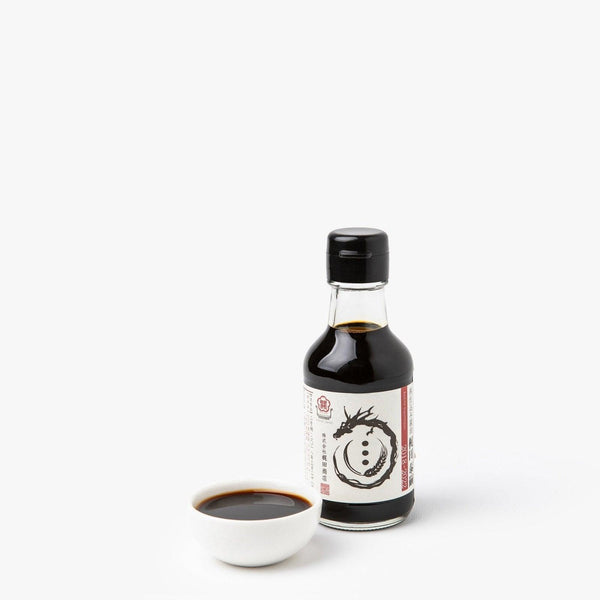
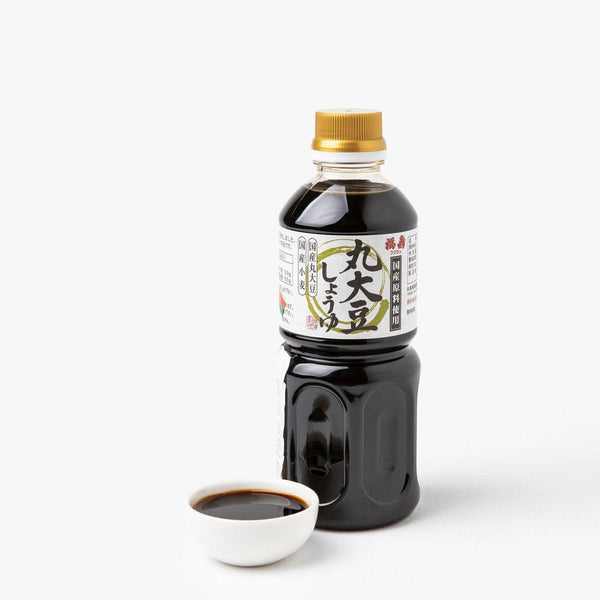
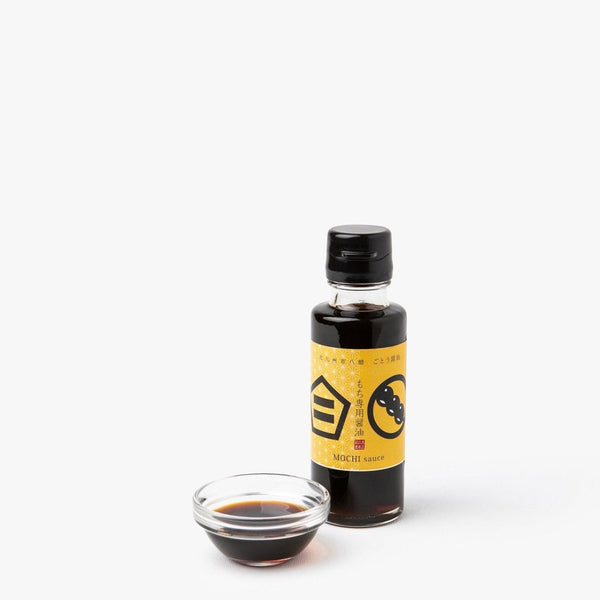
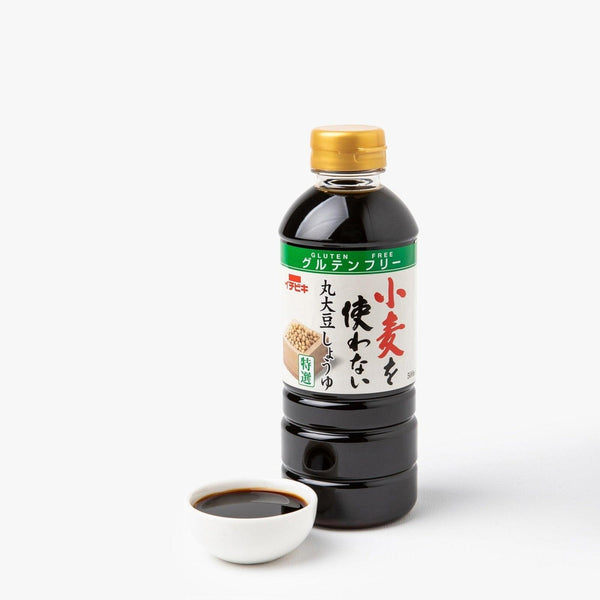
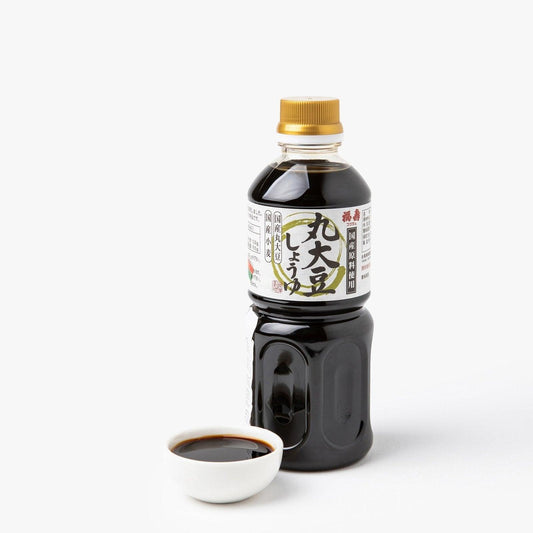
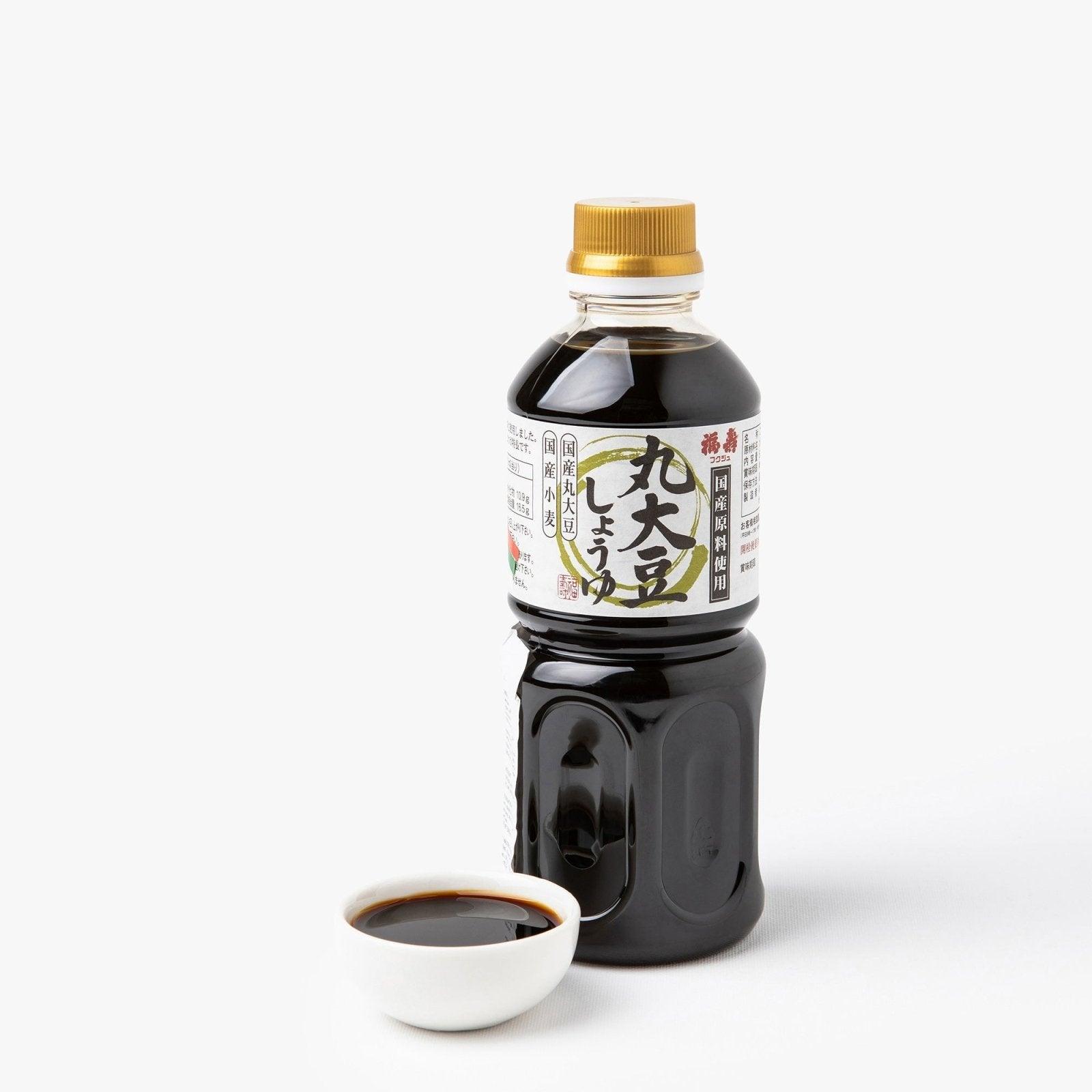
- Soy sauce (optional, to serve)
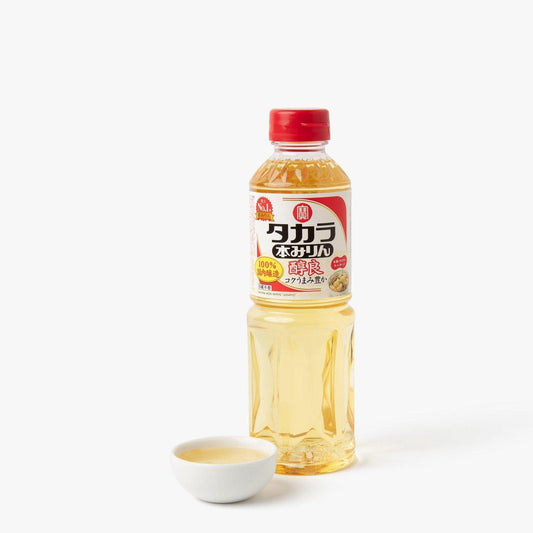
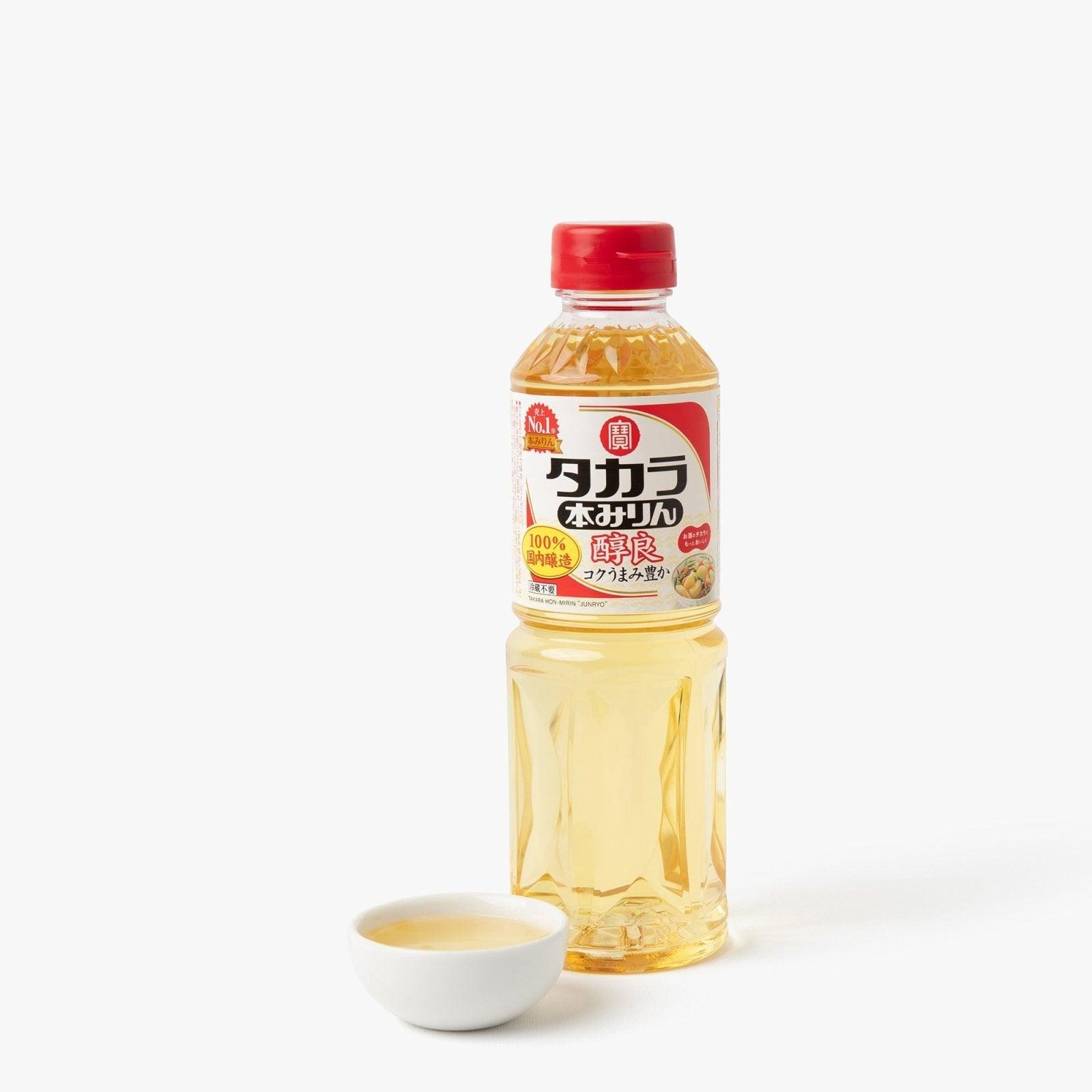
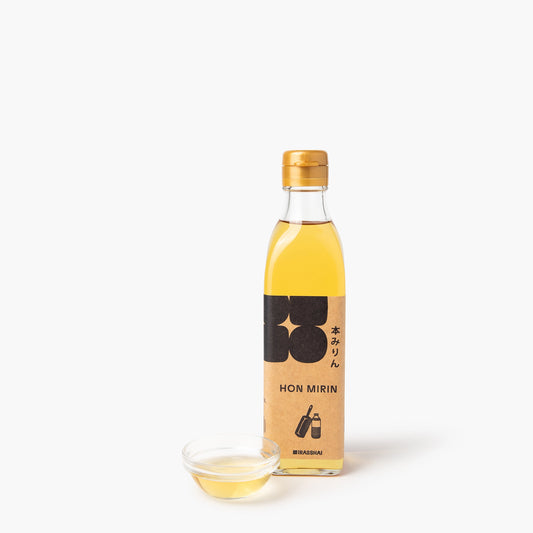
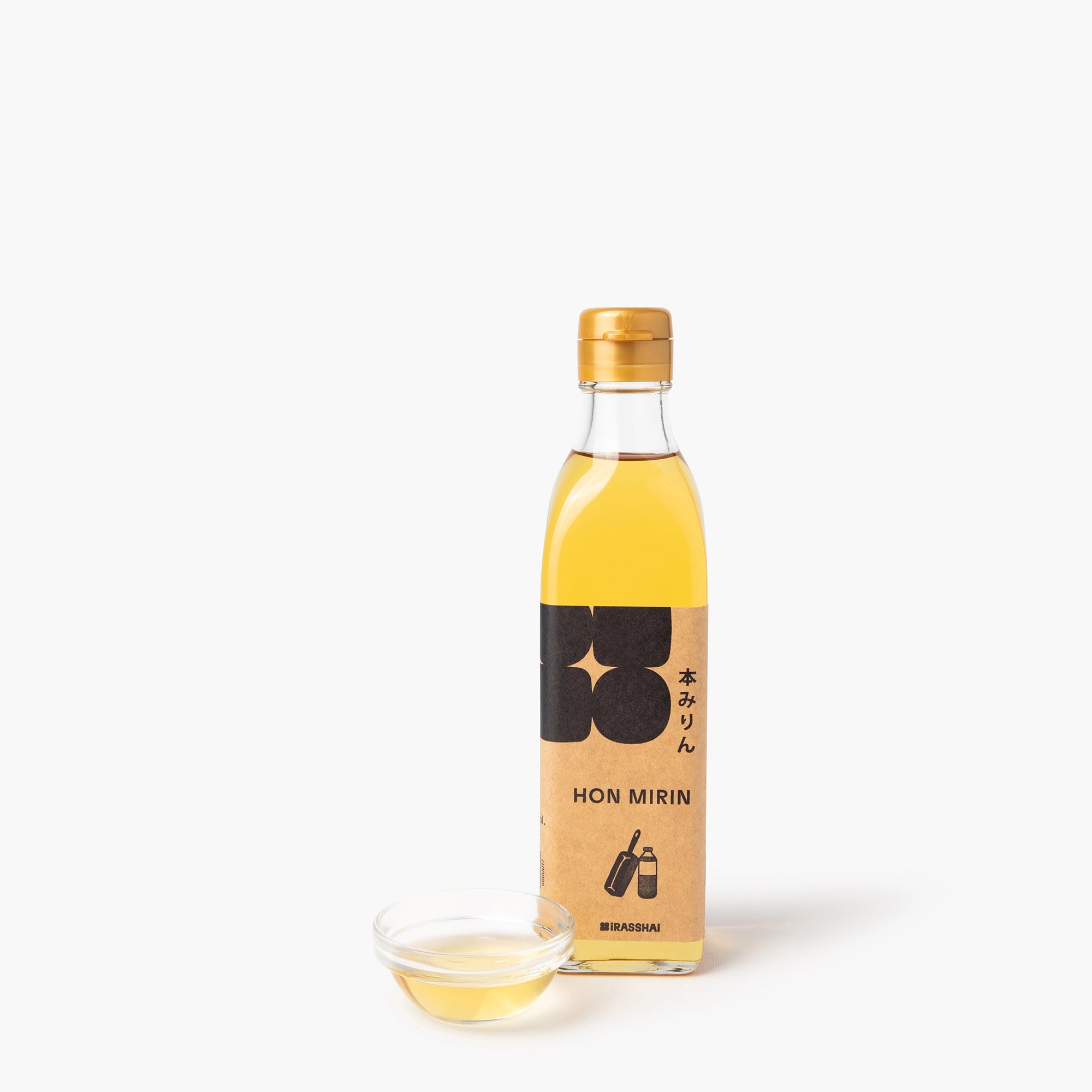
- A little mirin or tare sauce (optional, for a sweet-and-sour seasoning)
- Garnishes such as finely chopped green onions, sesame seeds, or seaweeds (optional)
Directions
- Bring a large quantity of water to a temperature of around 65°C to 70°C. To check the temperature, use a kitchen thermometer or an eye test: the water should be hot, but not boiling. If you have a kitchen thermometer, this is ideal.
- If you're using eggs straight from the fridge, let them stand at room temperature for around 15 minutes to avoid thermal shock.
- Gently drop the eggs into the hot (not boiling) water. Cook the eggs for about 20-25 minutes. During this time, the egg white will solidify while remaining very soft, while the yolk will remain runny.
- Once the eggs are cooked, you can transfer them to a bowl of cold water for 1-2 minutes to stop the cooking process. This step is optional, but may help to make them easier to handle.
- Gently crack the shells of the eggs, taking care not to damage the whites. You can shell them directly in a small bowl or in your dish.
- Serve onsen tamago on top of a bowl of ramen, udon, or in miso soup for a gourmet touch. You can also serve them with a little soy sauce or tare sauce mixture to add a hint of umami. For a refined presentation, add garnishes such as chopped green onions, sesame seeds, or crumbled seaweeds .