Salmon Tataki Recipe
Rated 3.0 stars by 21 users.
Kitchen
Japanese chirashi
Portion
4 people
Preparation time
20 minutes
Cooking time
1 minute
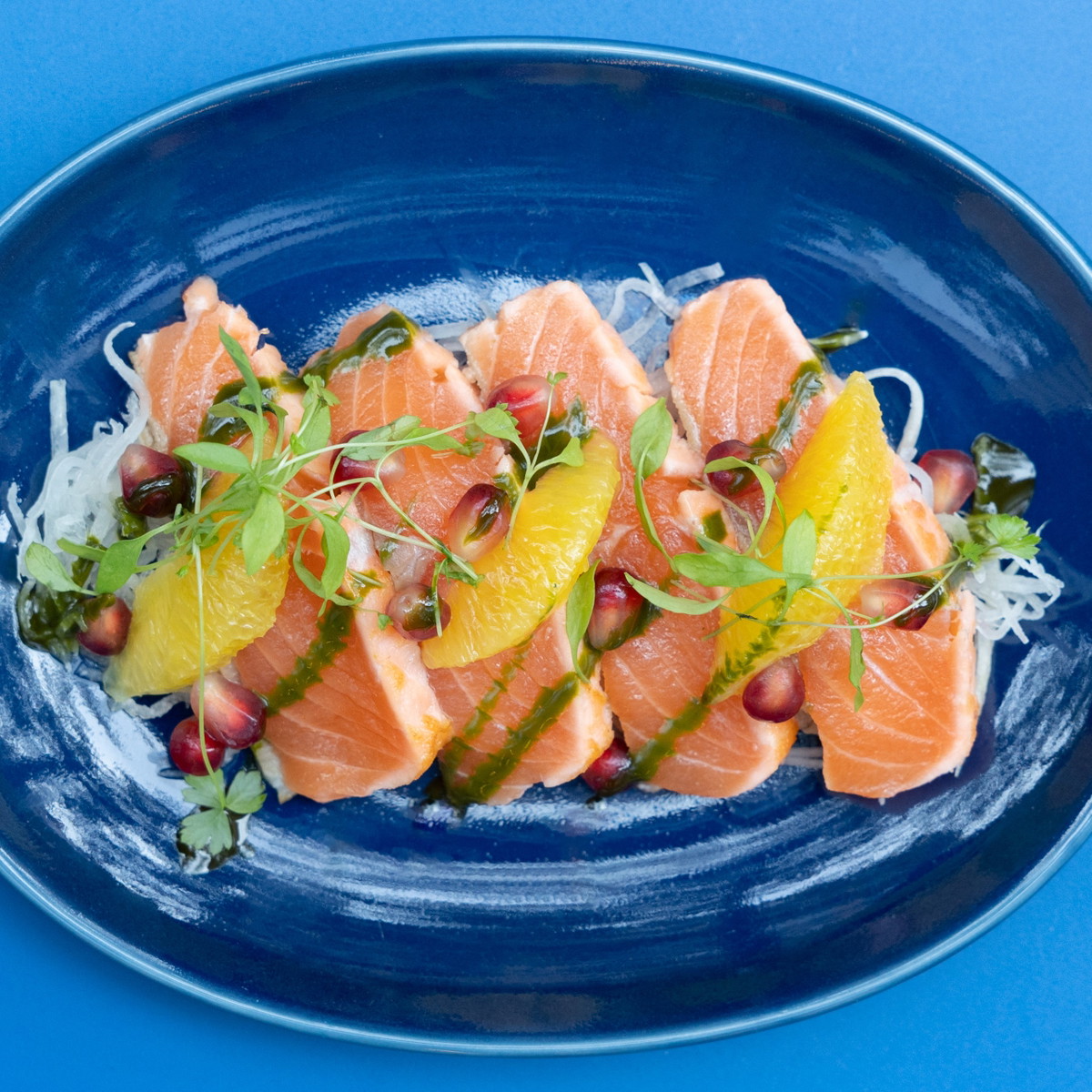
Tataki, a traditional Japanese technique, consists of briefly searing fish or meat over high heat, while preserving a raw, melting center. Here, the salmon is coated with sesame seeds for a crispy texture, then accompanied by a fresh, vibrant topping: pomegranate, orange supremes, and a slightly sweet matcha sauce that adds an original vegetal touch. A fresh, balanced and visually spectacular dish.
Ingredients
4 fresh salmon steaks (sashimi quality, skinless)
- 4 tablespoons soy sauce
-
2 tablespoons toasted sesame oil
- 2 tablespoons lime juice
-
1 tablespoon honey (or agave syrup, for balance)
-
1 pinch salt
-
1 pinch sansho pepper
2 tbsp. neutral or olive oil for cooking
-
6 tablespoons sesame seeds (white, black or mixed)
1 orange (segments cut into pieces)
1 small pomegranate (seeds only)
A few fresh herb leaves (shiso, coriander or mint)
-
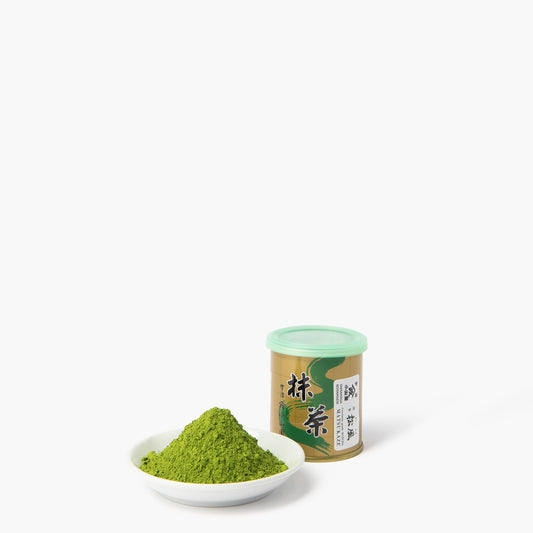
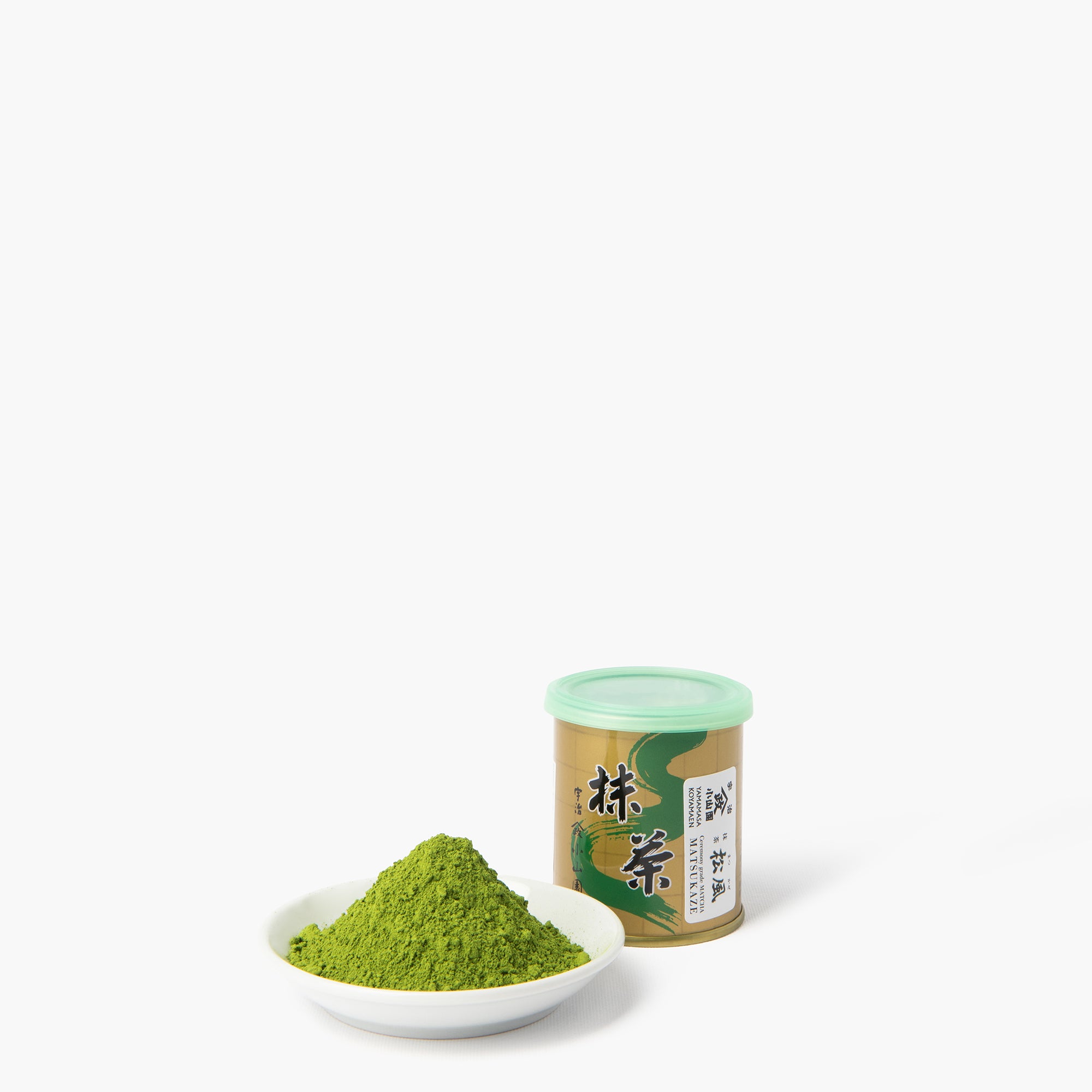
1/2 teaspoon culinary matcha
-
1 tablespoon honey or agave syrup
- 1 tablespoon hot water
- 1 teaspoon light soy sauce
- 1 tablespoon neutral oil (or very mild sesame oil)
Topping & sauce
Matcha sauce
Instructions
In a bowl, combine soy sauce, sesame oil, lime juice, honey, salt and pepper.
Place the salmon steaks in a shallow dish, pour the marinade over them, cover and chill for 20 minutes, turning halfway through.
- In a small bowl, mix the matcha with the hot water. Add honey, soy sauce and oil, then whisk until smooth and glossy. Set aside to cool.
Drain salmon steaks. Heat a frying pan over medium-high heat with a drizzle of oil. Sear each side of the salmon steaks for a maximum of 20-30 seconds, just to mark the surface. The core should remain raw.
Let cool for 2 minutes, then cut the steaks into thick slices (approx. 1 cm). Arrange on plates or a large platter, add orange segments, pomegranate and sesame seeds, a few fresh herbs, and drizzle with matcha sauce.
Recipe notes
Tips & variations :
- Add a little grated lime zest or yuzu before serving.
- Add a few drops of hot pepper oil or a pinch of Espelette pepper to the marinade.
- Serve with aseaweeds salad, vinegared rice, or mashed avocado for a balanced meal.
Origin and history of tataki
Tataki is a Japanese cooking technique that literally means "struck" or "tapped". The method was developed in the 19th century in the Kochi region on the island of Shikoku, and is generally associated with bonito tataki (katsuo no tataki), a local specialty. Legend has it that this technique was influenced by European cooking methods introduced by Portuguese navigators.
The principle of tataki is simple: briefly sear the surface of the fish or meat at high temperature, while leaving the inside raw. The contrast between the crispy outside and the melt-in-the-mouth inside is what makes this preparation so popular.
Why salmon tataki?
Traditionally, tataki is made with bonito or tuna, but salmon has established itself as a very popular alternative thanks to its tender, fatty flesh, which lends itself perfectly to this quick cooking method.
Salmon tataki is particularly appreciated for its natural sweetness and umami, which go wonderfully well with seasonings such as soy sauce, sesame and citrus.
Tataki in Japanese culture
- In Japan, tataki is often served with ponzu (a soy and citrus-based sauce), pickled ginger and spring onion for a perfect balance of acidity, freshness and depth of flavor.
- It is also very popular in izakaya (Japanese bistros), where it is usually served with cold beer or sake.
- In some regions, it is lightly flambéed with a blowtorch before serving, further enhancing the smoky aromas.
Our recommendations for this recipe:
Japanese cooking essentials
-
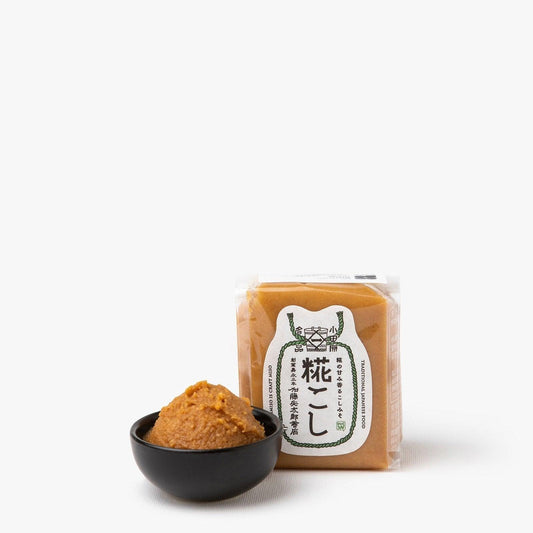
White miso with koji from Hakone ⋅ Kato Heitaro shoten ⋅ 200g
Regular price 5.50 €Prix promotionnel 5.50 € Regular pricePrice per unit 27.50 € / per kg -
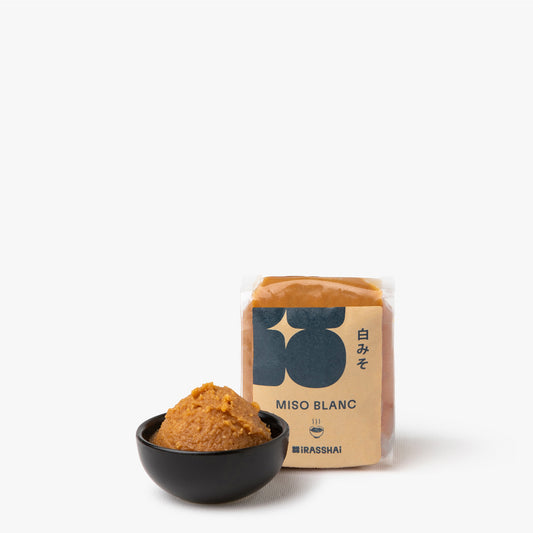
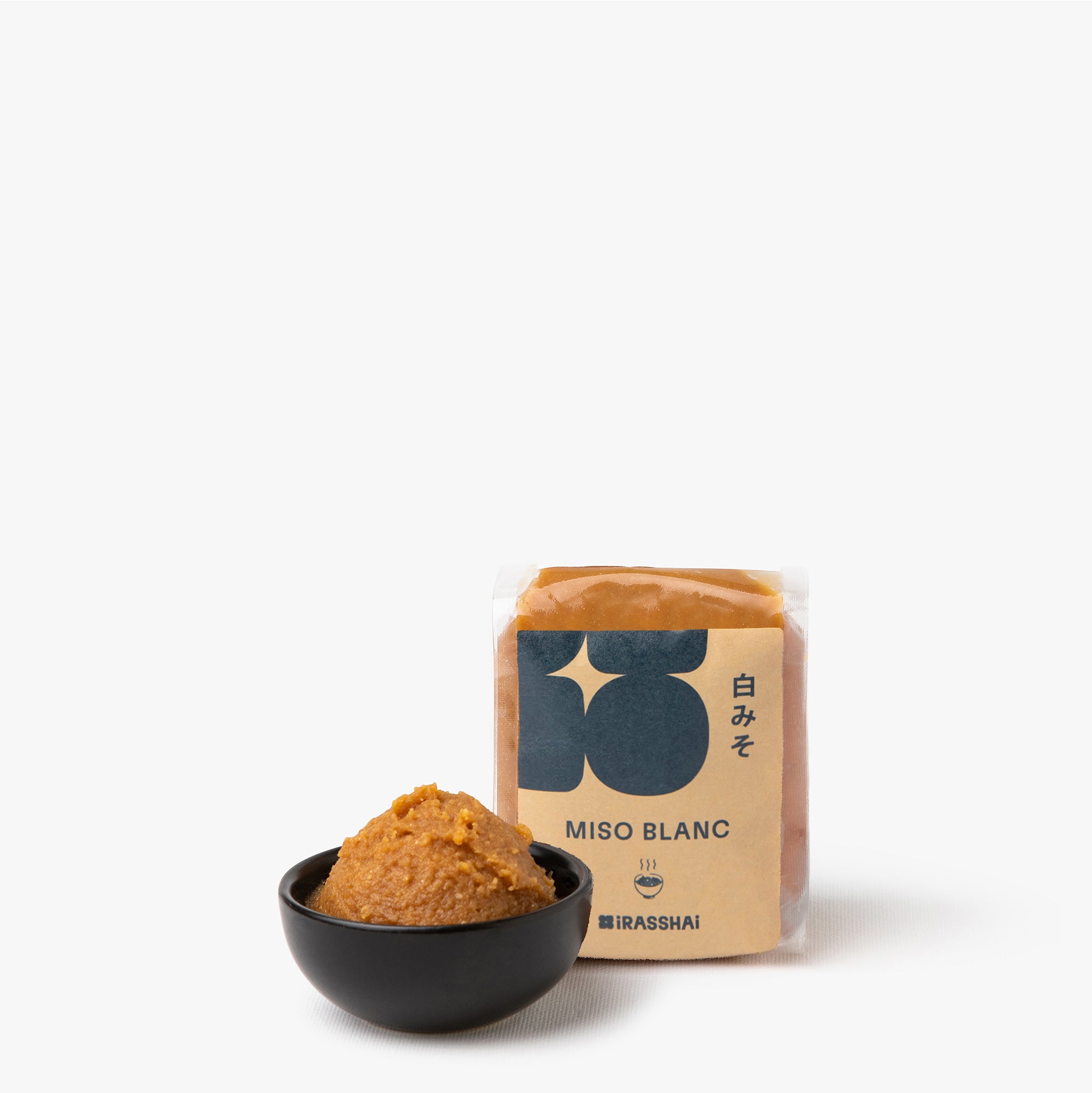
White miso ⋅ Kato Heitaro Shoten for iRASSHAi ⋅ 200g
Regular price 5.50 €Prix promotionnel 5.50 € Regular pricePrice per unit 27.50 € / per kg -
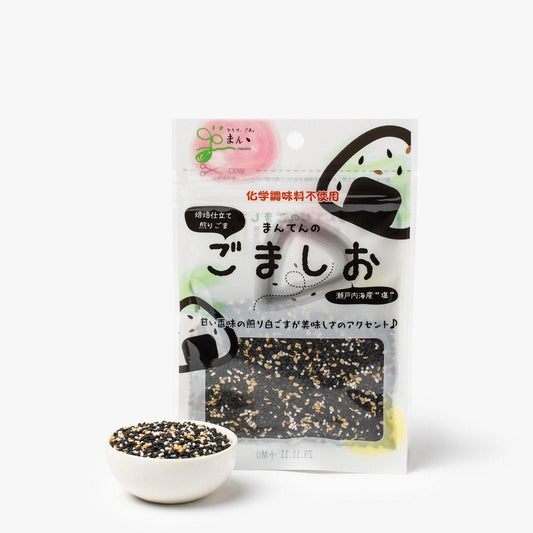
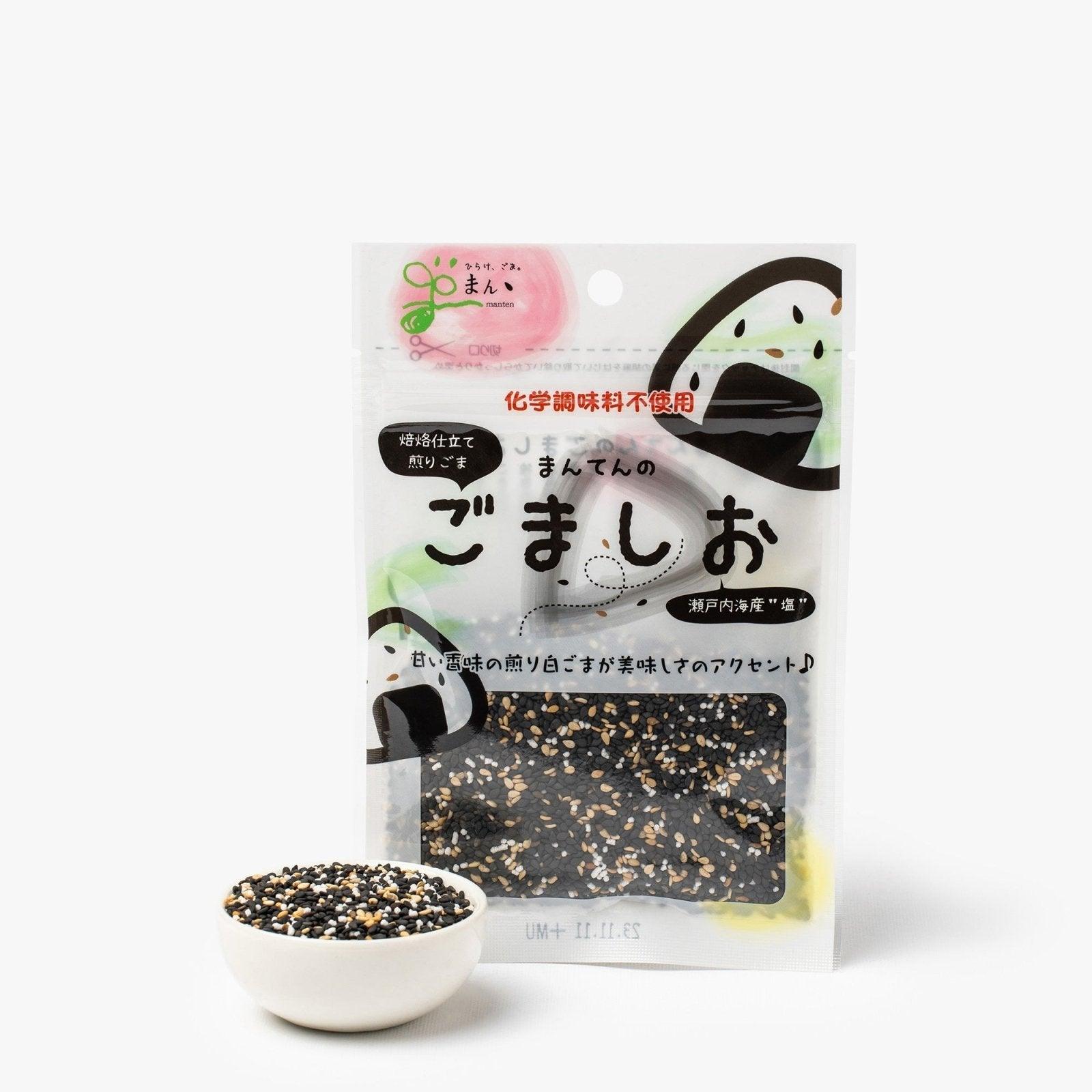
Roasted black and white sesame seeds with gomashio salt ⋅ Manten ⋅ 30g
Regular price 2.65 €Prix promotionnel 2.65 € Regular pricePrice per unit 88.33 € / per kg -
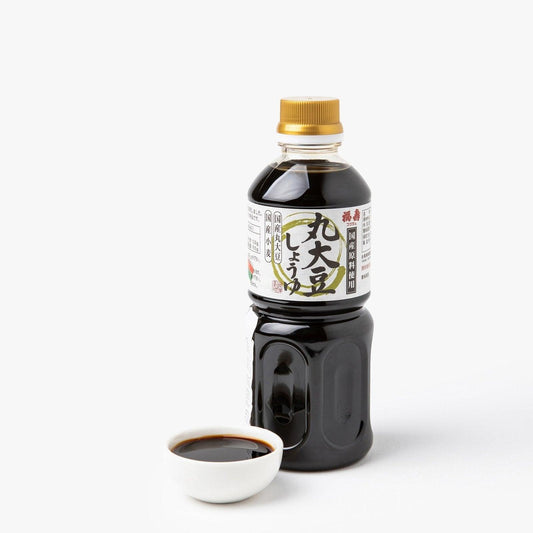
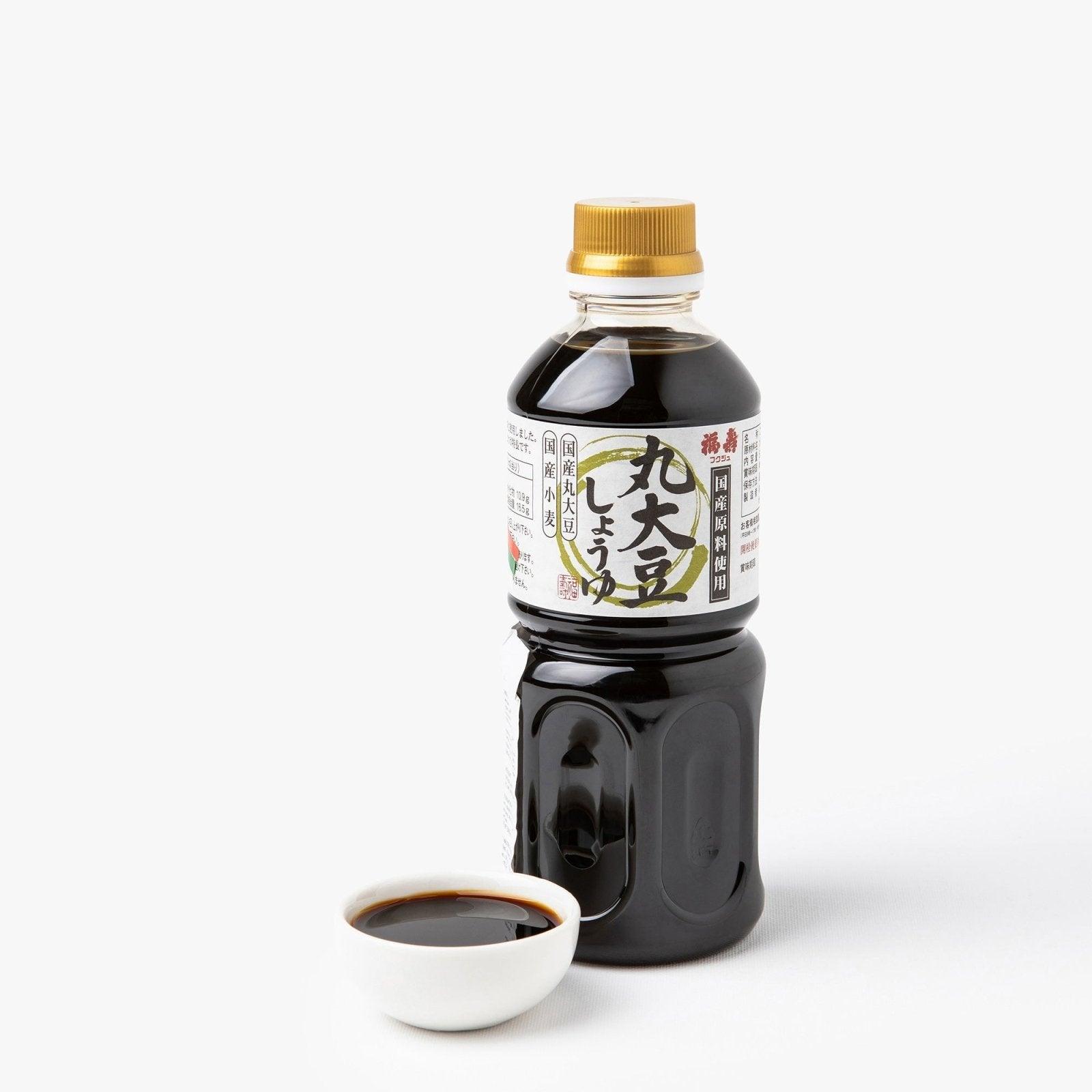
Artisanal balanced soy sauce ⋅ Asarisasuke Shoten ⋅ 500ml
Regular price 6.25 €Prix promotionnel 6.25 € Regular pricePrice per unit 12.50 € / per l -
Panko breadcrumbs ⋅ Hanayuki ⋅ 340g
Regular price 8.00 €Prix promotionnel 8.00 € Regular pricePrice per unit 23.53 € / per kg -
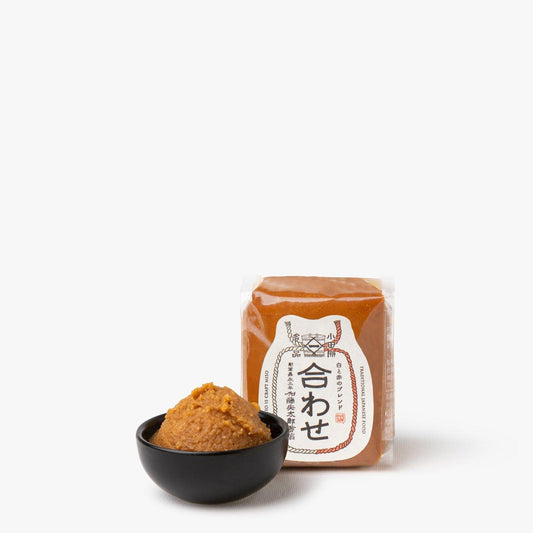
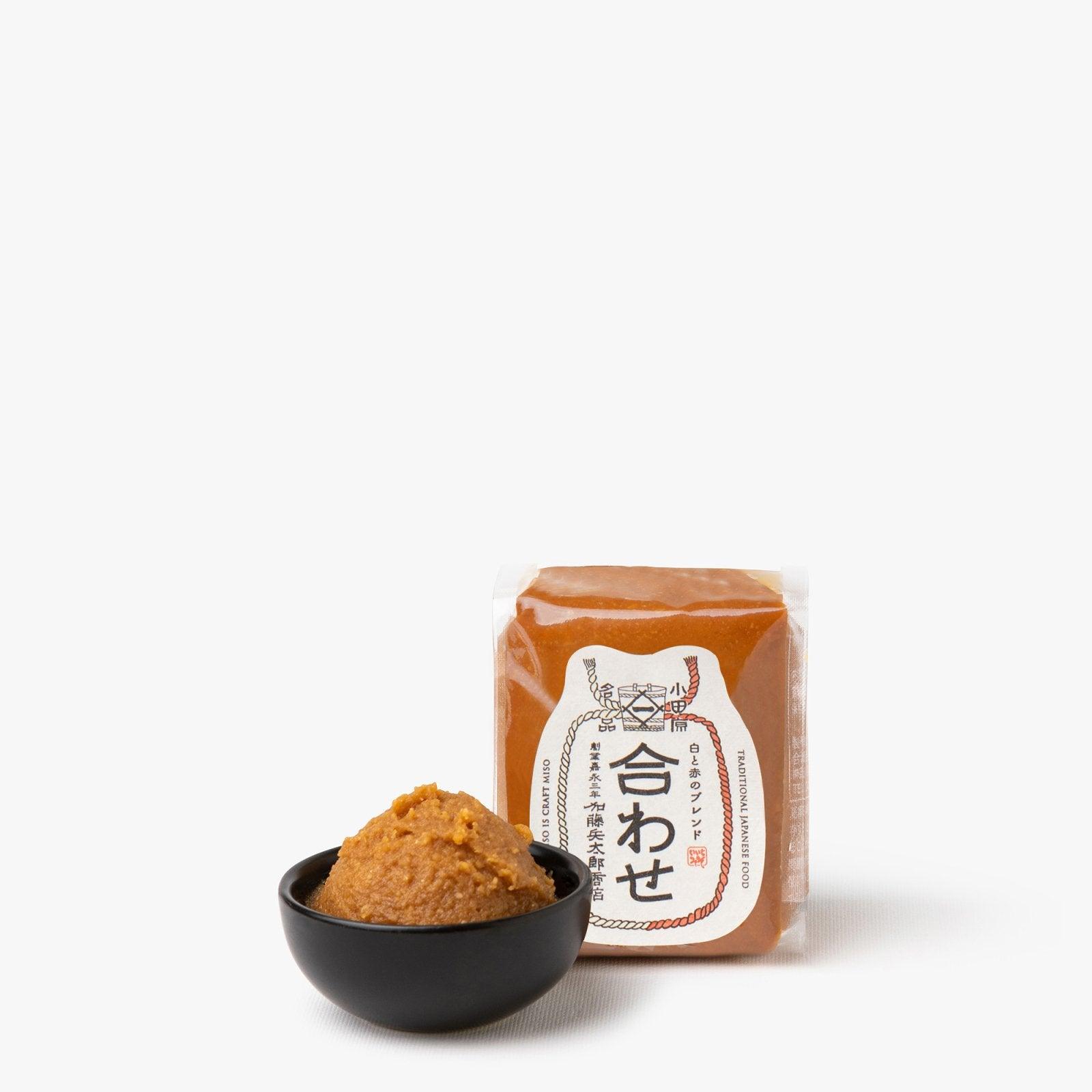
Hakone Awase miso blend of white and red miso ⋅ Kato Heitaro shoten ⋅ 200g
Regular price 5.50 €Prix promotionnel 5.50 € Regular pricePrice per unit 27.50 € / per kg -
Honmirin ⋅ Takara Shuzo ⋅ 13% ⋅ 500ml
Regular price 9.70 €Prix promotionnel 9.70 € Regular pricePrice per unit 19.40 € / per l -
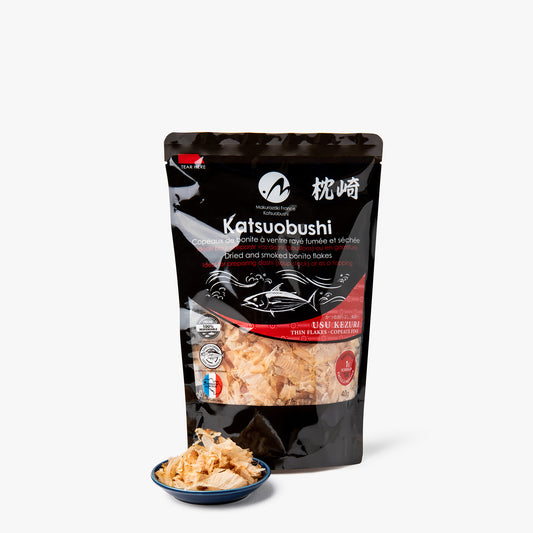
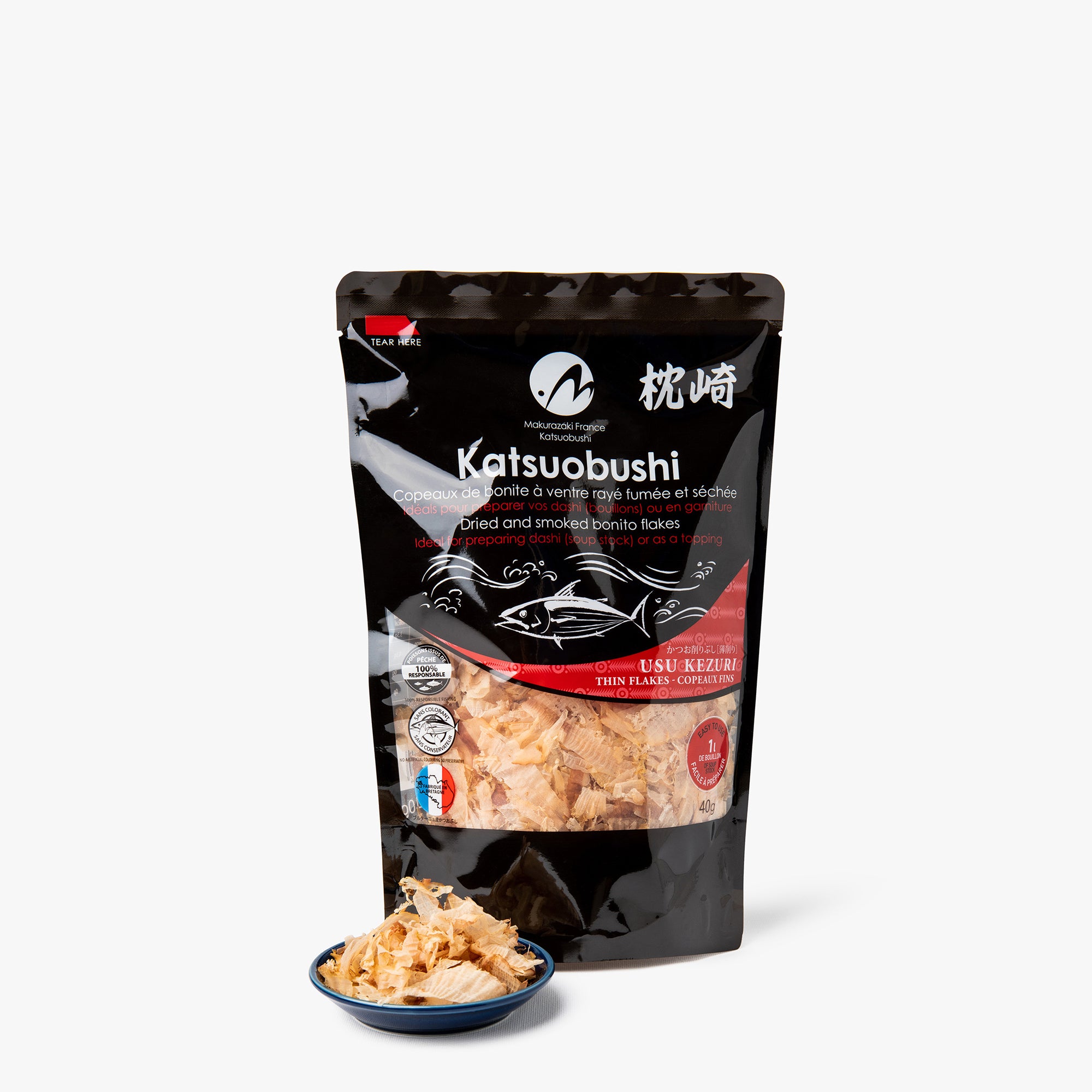
Katsuobushi dried bonito chips ⋅ Makurazaki ⋅ 40g
Regular price 9.50 €Prix promotionnel 9.50 € Regular pricePrice per unit 237.50 € / per kg
The latest arrivals
-
Bonito filaments katsuobushi ⋅ Makurazaki ⋅ 20g
Regular price 8.90 €Prix promotionnel 8.90 € Regular pricePrice per unit 445.00 € / per kg -
Thick katsuobushi bonito chips ⋅ Makurazaki ⋅ 100g
Regular price 17.30 €Prix promotionnel 17.30 € Regular pricePrice per unit 173.00 € / per kg -
Ramune candies in garland bag ⋅ Kasugai ⋅ 28g
Regular price 2.60 €Prix promotionnel 2.60 € Regular pricePrice per unit 92.86 € / per kg -
Silken tofu ⋅ Morinaga ⋅ 305g
Regular price 3.50 €Prix promotionnel 3.50 € Regular pricePrice per unit 11.48 € / per kg -
Strong Zero Lemon ⋅ 9% ⋅ 350ml
Regular price 4.50 €Prix promotionnel 4.50 € Regular pricePrice per unit 12.86 € / per l -
Okayama no Chi Junmai Ginjo Sake Gift Set ⋅ 15.5% ⋅ 360ml
Regular price 21.90 €Prix promotionnel 21.90 € Regular pricePrice per unit 60.83 € / per l -
Pure peach juice from Yamanashi ⋅ Bonchi ⋅ 180ml
Regular price 5.90 €Prix promotionnel 5.90 € Regular pricePrice per unit 32.78 € / per l -
Strawberry yuzu jam ⋅ La chambre ⋅ 200g
Regular price 13.50 €Prix promotionnel 13.50 € Regular pricePrice per unit / per