Recipe Japanese Beef Tataki
Rated 3.8 stars by 34 users.
Portion
4
Preparation time
30 minutes
Cooking time
5 minutes
Beef tataki is a delicious Japanese specialty that sublimates the tenderness of beef tenderloin. In this recipe, the meat is quickly seared to preserve a melting center, then accompanied by a karaage sauce with rich flavors of soy, mirin and ginger. The whole dish is served on a bed of fresh mizuna leaves, sprinkled with zesty touches of yuzu kosho and toasted sesame seeds. An invitation to a culinary voyage that combines simplicity and refinement.
Author:iRASSHAi
Ingredients
- 500 g quality beef tenderloin (preferably Wagyu or Angus)
- 1 tablespoon vegetable oil (sunflower or grapeseed)
-
Fine salt
- Freshly ground black pepper
-
3 tablespoons soy sauce
-
2 tablespoons mirin (sweet rice wine)
-
1 tablespoon sake
-
1 tablespoon sugar
- 1 clove garlic, finely chopped
-
1 teaspoon grated fresh ginger
-
1 teaspoon sesame oil
-
1 teaspoon yuzu kosho (Japanese condiment made from yuzu and chili pepper)
- 100 g mizuna leaves (or arugula if unavailable)
-
Toasted sesame seeds for garnish
For the karaage sauce:
For support :
Instructions
Prepare the beef: Remove the beef tenderloin from the refrigerator 30 minutes before cooking. Season evenly with fine salt and black pepper on all sides.
Sear the beef: Heat the vegetable oil in a frying pan over high heat. Sear the beef for 1 minute on each side to obtain a golden crust, including the ends.
Cool the beef: Immediately plunge the seared beef into a bowl of iced water for 1 minute to stop the cooking process. Pat dry with paper towels.
Refrigerate beef: Wrap the beef in cling film and place in the fridge for at least 15 minutes to facilitate cutting.
Prepare the karaage sauce: In a small saucepan, combine the soy sauce, mirin, sake, sugar, chopped garlic, grated ginger and sesame oil. Bring to the boil, then simmer for 2-3 minutes until the sugar has dissolved. Leave to cool.
Prepare the mizuna: Wash and spin-dry the mizuna leaves. Divide between serving plates to create a fresh bed.
Cut the beef: Remove the beef from the fridge and remove the cling film. Using a sharp knife, slice into thin strips about 0.5 cm thick.
Arrange beef slices on a bed of mizuna. Drizzle with cooled karaage sauce.
Add the yuzu kosho: Place small touches of yuzu kosho on the beef slices for a zesty, lemony note.
Garnish and serve: Sprinkle with toasted sesame seeds. Serve immediately to enjoy the freshness and flavor of the dish.
Recipe notes
Recipe tips
Traditionally, tataki is prepared with fish such as tuna or bonito, but it is also common to use it with beef, offering a delicious and refined variation.
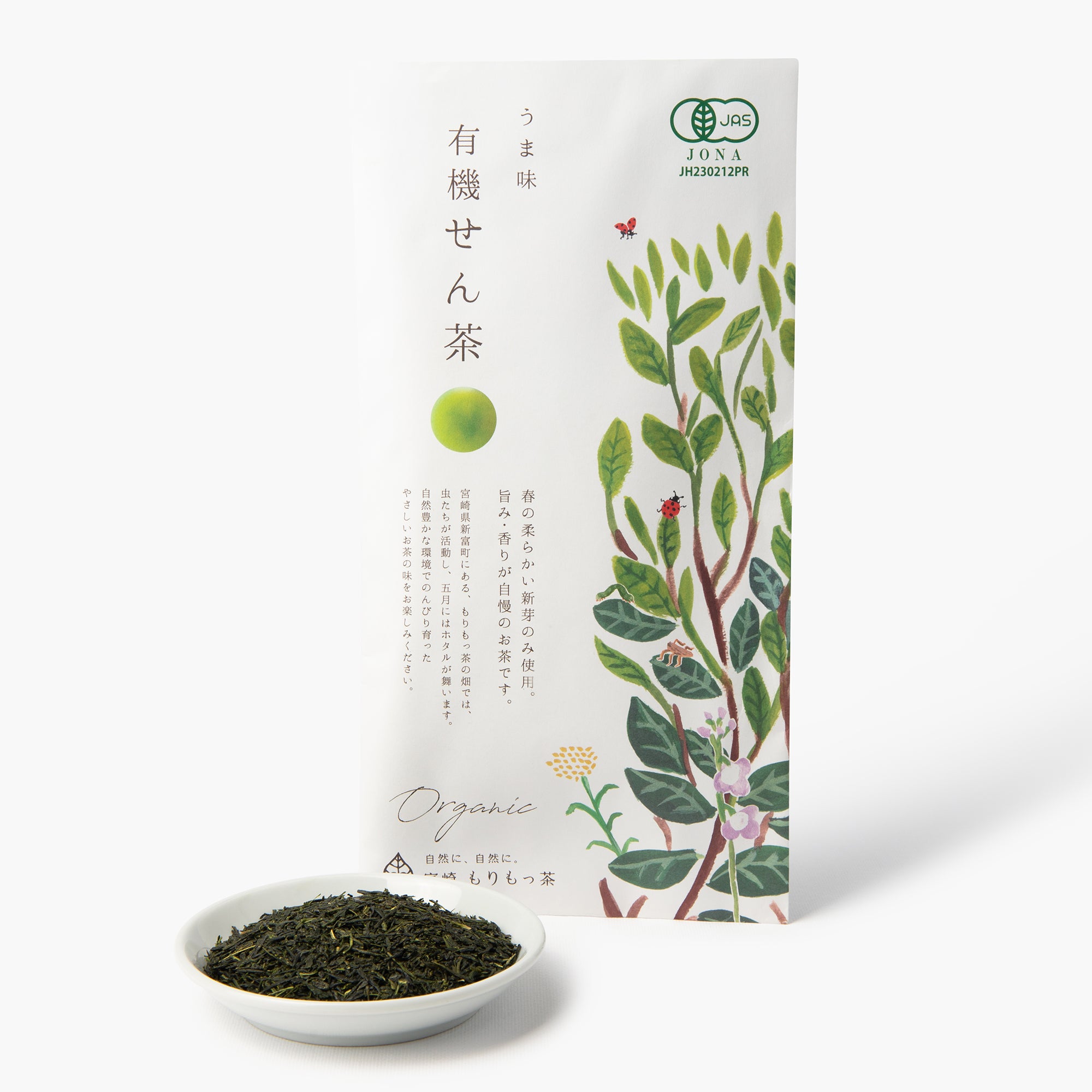
This recipe pairs perfectly with a light sake or a low-tannin red wine such as Pinot Noir. For a non-alcoholic option, a Japanese green tea such as Sencha or Genmaicha will complement the flavors of the dish.
Origin of tataki
Tataki is a method of preparing meat or fish that originated in the province of Tosa. Sakamoto Ryoma, a 19th-century samurai, developed this method, which combines flame-cooking and marinating.
The term "tataki" literally means "struck" or "pulsed" in Japanese. This culinary technique involves rapidly searing an ingredient at high temperature and then cooling it immediately, usually by plunging it into iced water. This creates a contrast between the caramelized exterior and the raw, tender interior.
Before it became a refined specialty, tataki would have been a cooking method used by Japanese sailors and pirates, particularly those from the Tosa region. In the open sea, they would quickly grill fish over a straw fire to avoid visible flames, then cool the flesh in seawater. This enabled them to preserve the freshness of the fish while adding a unique smoky touch.
The straw fire, an enduring tradition
In the traditional version, the bonito is grilled over a straw fire rather than over a simple flame. This technique reaches a very high temperature in just a few seconds, giving the skin a smoky flavor without cooking the inside. In some Kōchi inns, tataki continues to be prepared in this way, offering customers an impressive spectacle with large flames consuming the straw in an instant.
Why bonito?
Bonito, the emblematic fish of tataki, was once abundant on the Tosa coast and easy to catch. It deteriorates rapidly after capture, hence the need to cook it lightly to prolong its preservation, while preserving its raw texture. Even today, "Katsuo no Tataki" (bonito tataki) remains a flagship dish in Kōchi prefecture.
Our product selection for this recipe:
Japanese cooking essentials
-
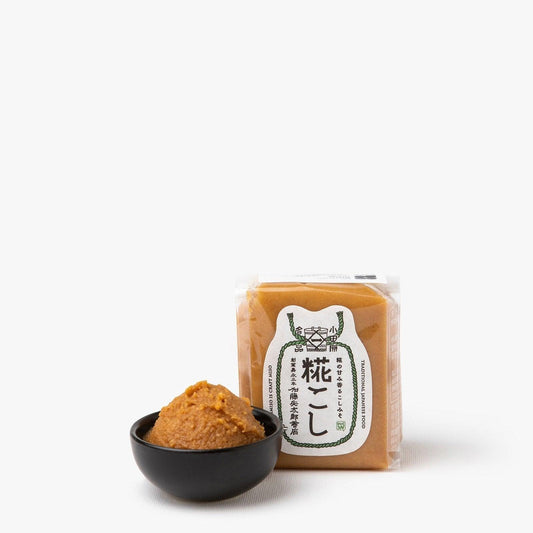
White miso with koji from Hakone ⋅ Kato Heitaro shoten ⋅ 200g
Regular price 5.50 €Prix promotionnel 5.50 € Regular pricePrice per unit 27.50 € / per kg5.0 / 5.05.0 / 5.05.0
14) 14 opinion
-
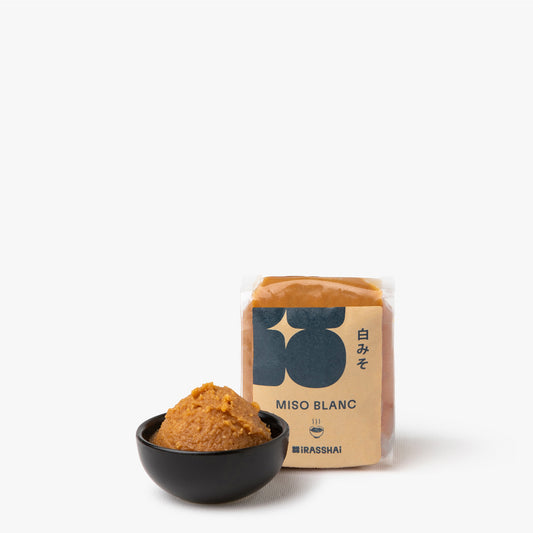
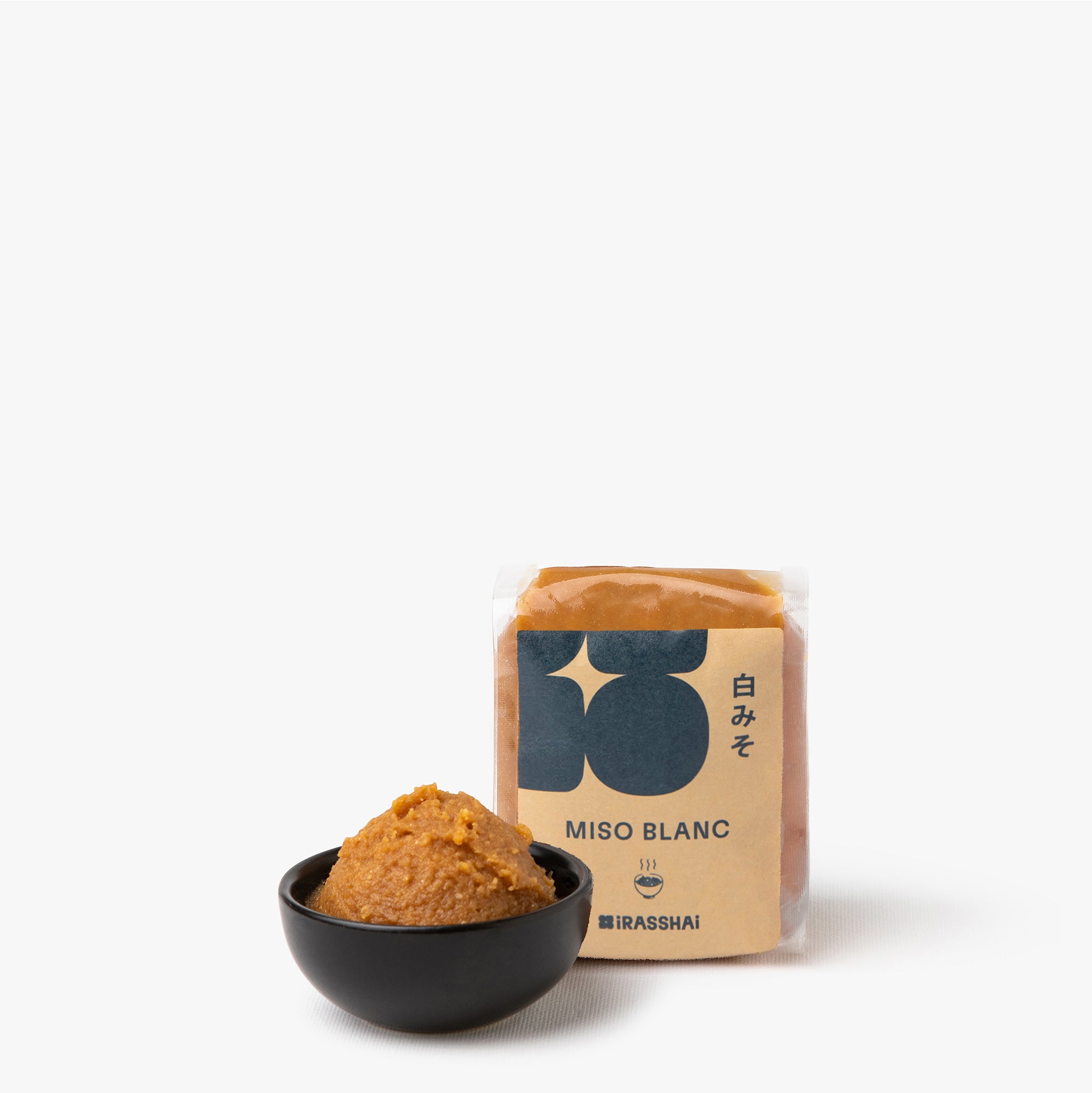
White miso ⋅ Kato Heitaro Shoten for iRASSHAi ⋅ 200g
Regular price 5.50 €Prix promotionnel 5.50 € Regular pricePrice per unit 27.50 € / per kg5.0 / 5.05.0 / 5.05.0
11) 11 opinion
-
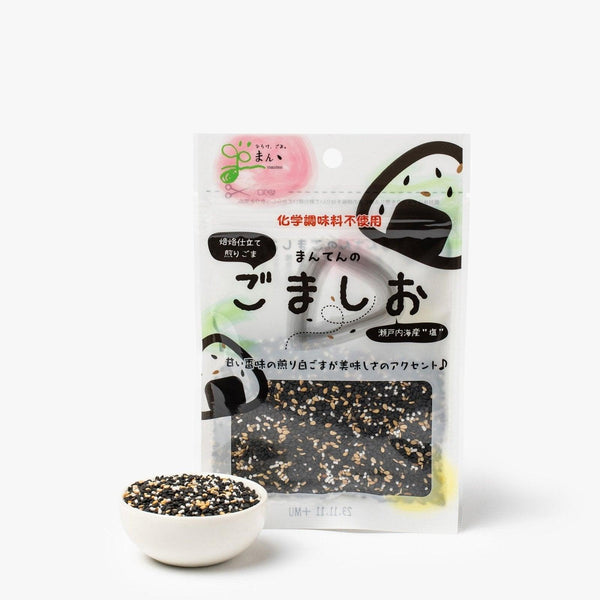
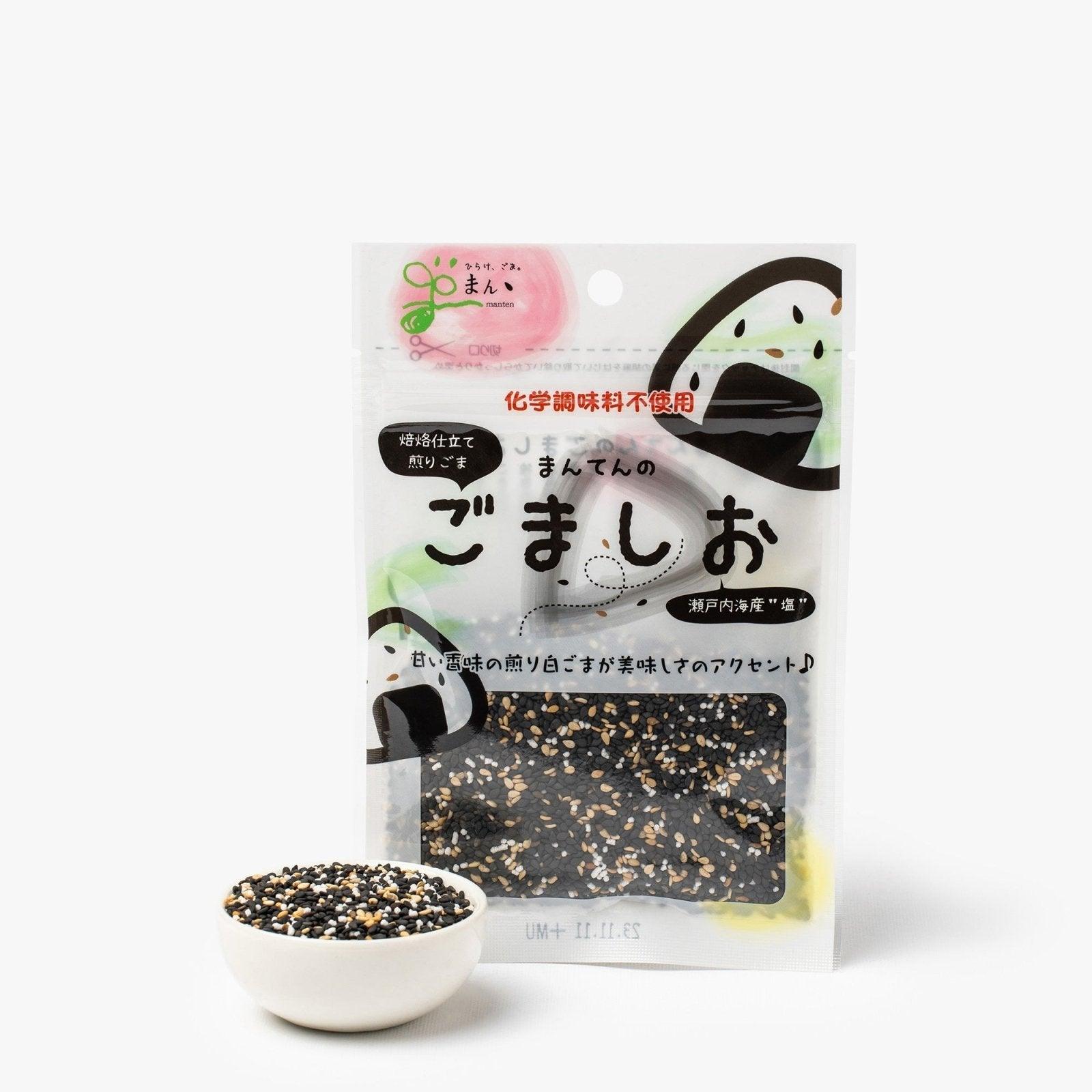
Roasted black and white sesame seeds with gomashio salt ⋅ Manten ⋅ 30g
Regular price 2.65 €Prix promotionnel 2.65 € Regular pricePrice per unit 88.33 € / per kg4.75 / 5.04.75 / 5.04.75
4) 4 opinion
-
Panko breadcrumbs ⋅ Hanayuki ⋅ 340g
Regular price 8.00 €Prix promotionnel 8.00 € Regular pricePrice per unit 23.53 € / per kg4.86 / 5.04.86 / 5.04.86
7) 7 opinion
-
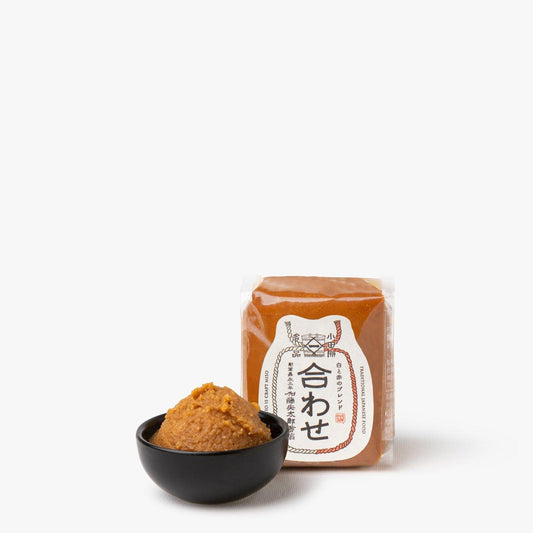
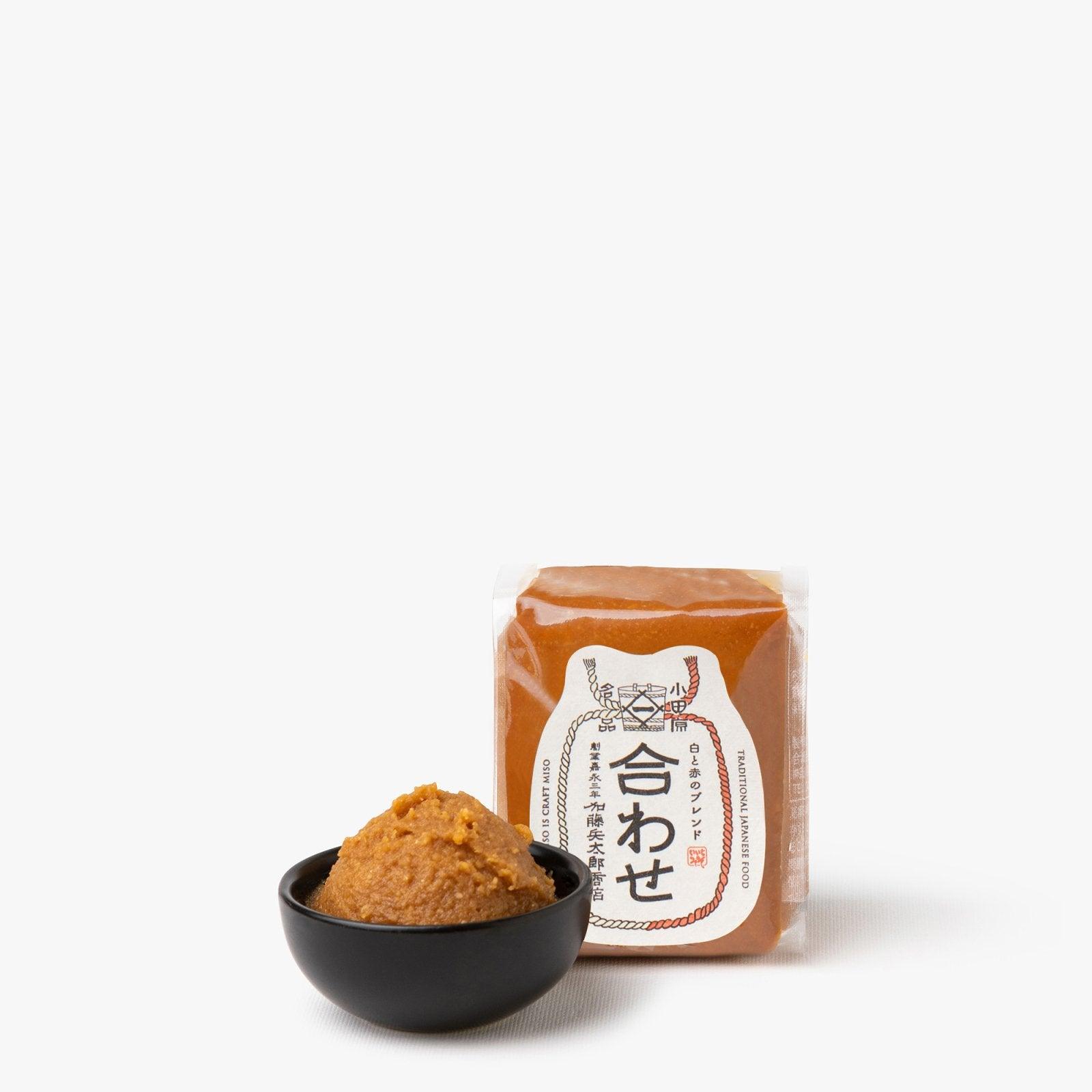
Hakone white and red miso blend ⋅ Kato Heitaro shoten ⋅ 200g
Regular price 5.50 €Prix promotionnel 5.50 € Regular pricePrice per unit 27.50 € / per kg5.0 / 5.05.0 / 5.05.0
7) 7 opinion
-
Honmirin ⋅ Takara Shuzo ⋅ 13% ⋅ 500ml
Regular price 9.70 €Prix promotionnel 9.70 € Regular pricePrice per unit 19.40 € / per l4.8 / 5.04.8 / 5.04.8
5) 5 opinion
-
Katsuobushi dried bonito chips ⋅ Makurazaki ⋅ 40g
Regular price 9.50 €Prix promotionnel 9.50 € Regular pricePrice per unit 237.50 € / per kg4.9 / 5.04.9 / 5.04.9
10) 10 opinion
-
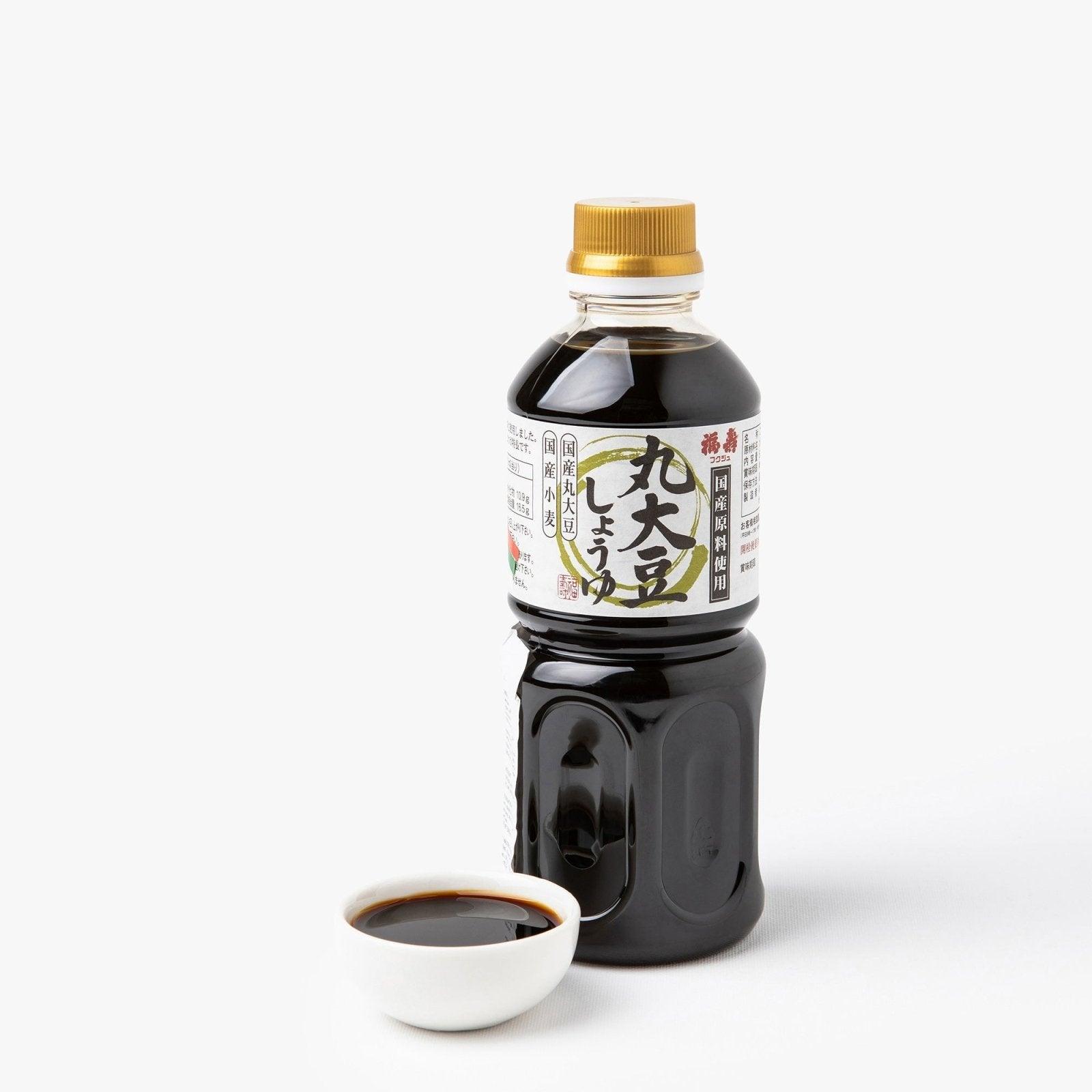
Artisanal balanced soy sauce ⋅ Asarisasuke Shoten ⋅ 500ml
Regular price 6.25 €Prix promotionnel 6.25 € Regular pricePrice per unit 12.50 € / per l5.0 / 5.05.0 / 5.05.0
8) 8 opinion
Japanese cookery books
-
Book Japanese home cooking, 100 recipes ⋅ Marabout
Regular price 29.00 €Prix promotionnel 29.00 € Regular pricePrice per unit / per -
Book Tokyo, Les recettes ⋅ Marabout
Regular price 10.90 €Prix promotionnel 10.90 € Regular pricePrice per unit / per -
Japanese-style stickers: snacks ⋅ NB
Regular price 5.90 €Prix promotionnel 5.90 € Regular pricePrice per unit / per -
Book Mochi mochis, 40 Japanese sweets ⋅ Editions de la Martinière
Regular price 14.90 €Prix promotionnel 14.90 € Regular pricePrice per unit / per -
Book Ramen - 50 recipes for Japanese noodles with every sauce ⋅ Solar
Regular price 14.95 €Prix promotionnel 14.95 € Regular pricePrice per unit / per -
Book Izakaya - Japanese bistro cuisine ⋅ Hachette Pratique
Regular price 35.00 €Prix promotionnel 35.00 € Regular pricePrice per unit 100.00 € / per l -
Book Japon gourmand ⋅ Mango Editions
Regular price 32.00 €Prix promotionnel 32.00 € Regular pricePrice per unit / per -
Illustrated Japanese cooking book ⋅ Mango Editions
Regular price 13.50 €Prix promotionnel 13.50 € Regular pricePrice per unit / per