


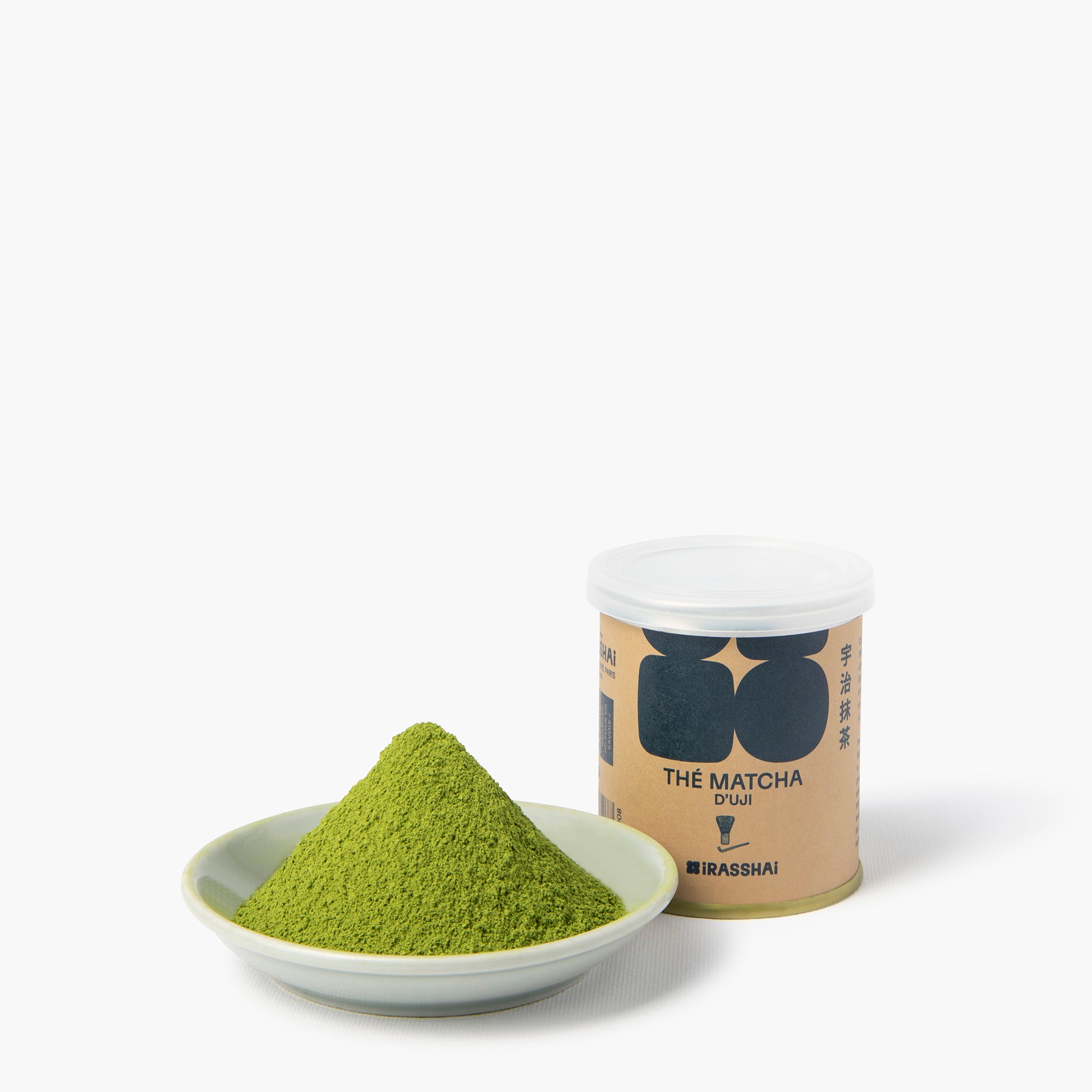
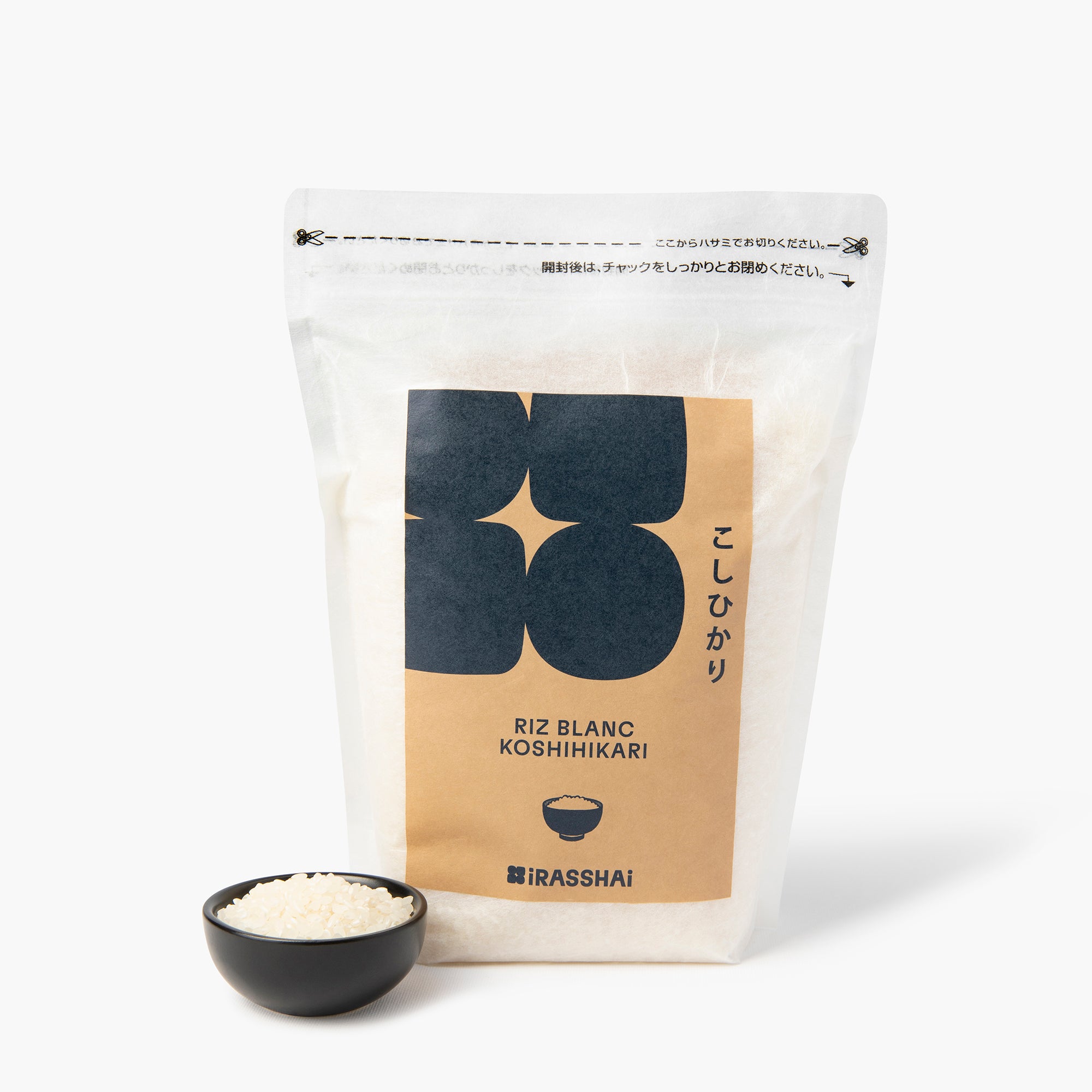


Collection: All our Japanese products
After more than two years spent meticulously sourcing them, iRASSHAi offers you a selection of over 1000 products, imported from Japan, three quarters of which are being sold in France for the first time. Discover authentic Japanese grocery products to enhance your cooking! And if you don't know where to start, we regularly write recipes for all tastes and levels to give you ideas.


-


Classic matcha tea Uji Sakura from Kyoto ⋅ Yamamasa Koyamaen ⋅ 30g
⋅ Matcha from Kyoto's Uji region, renowned for its quality⋅ Highly prized and made in very limited quantities⋅ Ideal for beginners to discover matcha⋅ Blend of...
Regular price 19.00 €Prix promotionnel 19.00 € Regular pricePrice per unit 633.33 € per kg -


Classic matcha tea in a can ⋅ Aoi Seicha ⋅ 80g
⋅ Perfect for everyday use and for getting started with matcha⋅ Organically grown⋅ Canned to preserve aroma and limit oxidation⋅ Numerous benefits for the...
Regular price 32.00 €Prix promotionnel 32.00 € Regular pricePrice per unit 400.00 € per kg -


Fukuoka matcha granules for Latte ⋅ Nishifuku seicha ⋅ 200g
⋅ Sweet blend for matcha latte⋅ Original alternative to sugar in desserts⋅ Easy to dilute in waterThis special matcha latte blend is composed of...
Regular price 8.50 €Prix promotionnel 8.50 € Regular pricePrice per unit 42.50 € per kg -


Roasted hojicha tea powder ⋅ Yamamasa Koyamaen ⋅ 100g
⋅ Finely ground Kyoto Uji hojicha⋅ Ideal for patisserie or latte⋅ Rich, roasted, warm fragrance⋅ Balanced taste⋅ Low tea contentThis hojicha powder can be...
Regular price 12.75 €Prix promotionnel 12.75 € Regular pricePrice per unit 127.50 € per kg -


Tenka roasted hojicha tea from Kyoto Uji in bulk ⋅ Yamamasa Koyamaen ⋅ 100g
⋅ Hojicha d'Uji from Kyoto⋅ Roasted flavor evoking chocolate and hazelnut⋅ Low caffeine or theine content⋅ Also available in aluminum canThis hojicha...
Regular price 8.95 €Prix promotionnel 8.95 € Regular pricePrice per unit 89.50 € per kg -


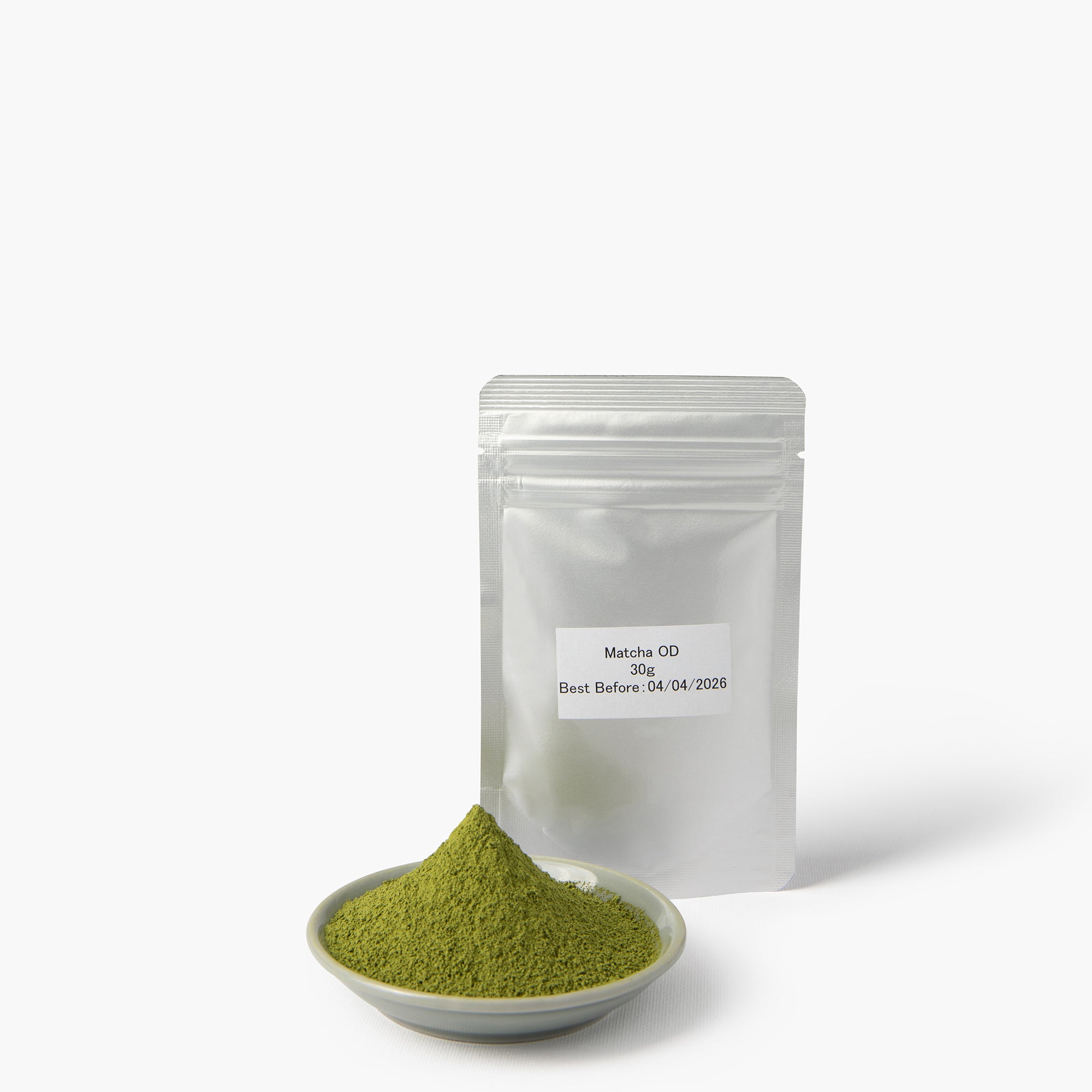
Kitchen matcha tea bag ⋅ Aoi Seicha ⋅ 30g
⋅ Excellent cooking matcha⋅ Rich in antioxidants⋅ Controlled bitterness, perfect in latte or dessert⋅ Zip closure to limit oxidationThis matcha powder is made...
Regular price 7.80 €Prix promotionnel 7.80 € Regular pricePrice per unit 260.00 € per kg -

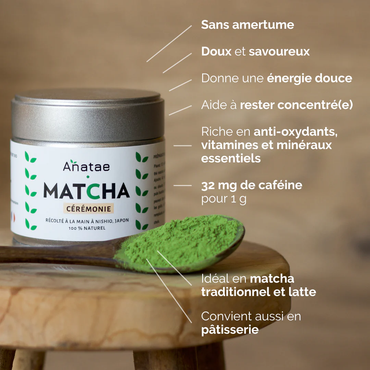

Matcha tea ceremony ⋅ Anatae ⋅ 30g
⋅ Matcha cérémonie biologique⋅ Anatae, Vendor française⋅ Mousse onctueuse⋅ Aucune amertume⋅ Nombreux bienfaits pour la santéAn excellent quality organic green tea. Made from the leaves of...
Regular price 40.00 €Prix promotionnel 40.00 € Regular pricePrice per unit 1,333.33 € per kg -


Kyozen matcha tea from Uji in Kyoto ⋅ Yamamasa Koyamaen ⋅ 100g
⋅ Matcha from Uji in Kyoto, renowned for its quality⋅ Intense umami fragrance⋅ Ideal for matcha pastries and desserts⋅ Detoxifying⋅ Numerous health benefitsThis...
Regular price 20.00 €Prix promotionnel 20.00 € Regular pricePrice per unit 200.00 € per kg -


Loose sweetened Uji matcha tea from Kyoto ⋅ Kobayashi Noriten ⋅ 200g
⋅ Sweet blend for matcha latte⋅ Made with matcha from Uji⋅ Gold award at Monde Sélection de Bruxelles 2022⋅ Original alternative to sugar in...
Regular price 18.00 €Prix promotionnel 18.00 € Regular pricePrice per unit 90.00 € per kg -

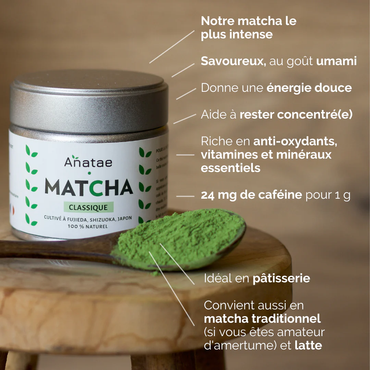

Classic matcha tea ⋅ Anatae ⋅ 30g
⋅ Intense Matcha, perfect in latte or patisserie⋅ Anatae, French Vendor Numerous health benefits⋅ Pronounced umamiRich in vitamins and antioxidants, it offers a taste...
Regular price 26.50 €Prix promotionnel 26.50 € Regular pricePrice per unit 883.33 € per kg -


Intense double roasted hojicha tea powder ⋅ Yamamasa Koyamaen ⋅ 100g
⋅ Finely ground Uji hojicha⋅ Ideal for patisserie or latte⋅ Rich, toasty, warm fragrance⋅ Intense taste⋅ Low tea contentThis hojicha is made from a process...
Regular price 10.25 €Prix promotionnel 10.25 € Regular pricePrice per unit 102.50 € per kg -


Loose roasted hojicha tea from Kyoto Uji ⋅ Yamamasa Koyamaen ⋅ 40g
⋅ Hojicha d'Uji de Kyoto⋅ Rich, deep fragrance⋅ Comforting roasted notes⋅ Low theine⋅ Ideal after a good Japanese dinner!This exceptional Hojicha is...
Regular price 12.60 €Prix promotionnel 12.60 € Regular pricePrice per unit 315.00 € per kg -


Yuzu green tea for cold infusion 7 Sachets ⋅ En Tea ⋅ 35g
⋅ Yuzu-scented green tea⋅ Refreshing fragrance⋅ Ideal for cold infusion and iced tea⋅ Umami mastered⋅ To be re⋅ infused several timesDiscover a...
Regular price 14.90 €Prix promotionnel 14.90 € Regular pricePrice per unit 425.71 € per kg -


Japanese medlar leaf infusion Biwacha 7 tea bags ⋅ Totsukawa Farm ⋅ 14g
⋅ Slightly fruity fragrance, with woody notes⋅ Rich in antioxidants⋅ Slightly bitter, with no astringency⋅ Contains no theine or caffeine⋅ Can be enjoyed hot or coldMade...
Regular price 7.70 €Prix promotionnel 7.70 € Regular pricePrice per unit 550.00 € per kg -

-


Miyazaki roasted hojicha tea 18 bags ⋅ Miyazaki sabou ⋅ 90g
⋅ Miyazaki's Hojicha⋅ 18 easy-to-brew sachets⋅ Low theine⋅ Rich, toasty taste reminiscent of hazelnut and cocoa⋅ Ideal after a...
Regular price 8.80 €Prix promotionnel 8.80 € Regular pricePrice per unit 97.78 € per kg -

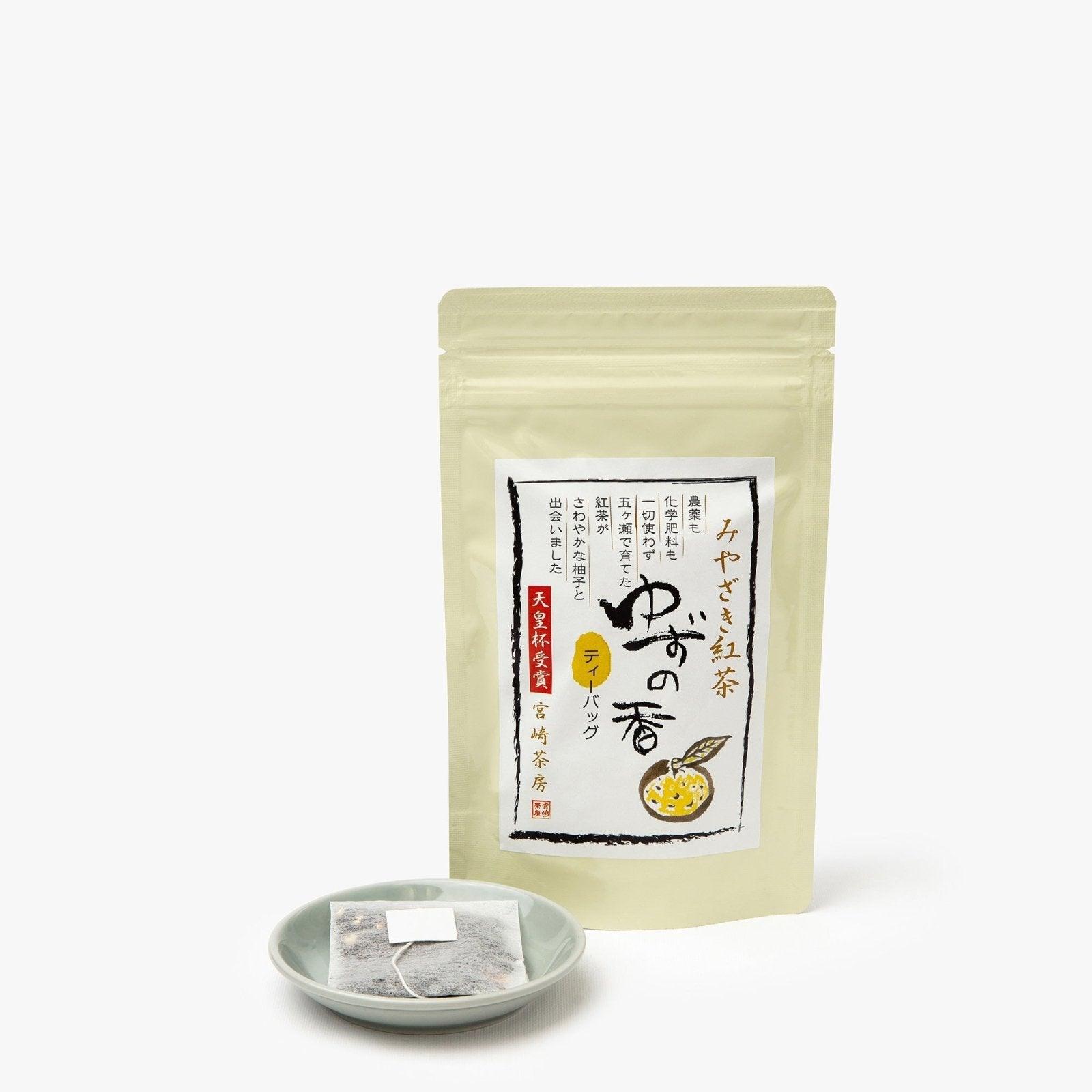
Yuzu black tea 15 tea bags ⋅ Miyazaki sabou ⋅ 30g
⋅ 15 easy-to-infuse bags⋅ Moyazaki black tea scented with yuzu⋅ Fresh citrus, yuzu and lightly woody fragrance⋅ Mild, refreshing infusion⋅ Also available...
Regular price 15.80 €Prix promotionnel 15.80 € Regular pricePrice per unit 526.67 € per kg -


Sencha tea Sakura Osui loose ⋅ Homme Asakichi Shoten ⋅ 50g
⋅ Delicate Sencha rich in coumarin⋅ Natural fragrance reminiscent of cherry blossoms (sakura)⋅ Produced in small quantities!⋅ To be re⋅ infused several times, cold...
Regular price 12.50 €Prix promotionnel 12.50 € Regular pricePrice per unit 250.00 € per kg -


Uji roasted hojicha tea 10 bags ⋅ Kamitsujien ⋅ 30g
⋅ Hojicha d'Uji⋅ 10 easy-to-brew sachets⋅ Roasted flavor reminiscent of chocolate and hazelnut⋅ Low caffeine or theine content⋅ Certified organic by the...
Regular price 8.80 €Prix promotionnel 8.80 € Regular pricePrice per unit 293.33 € per kg -
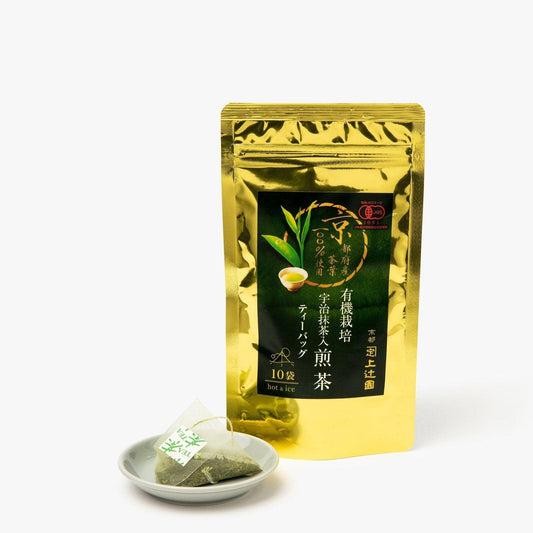
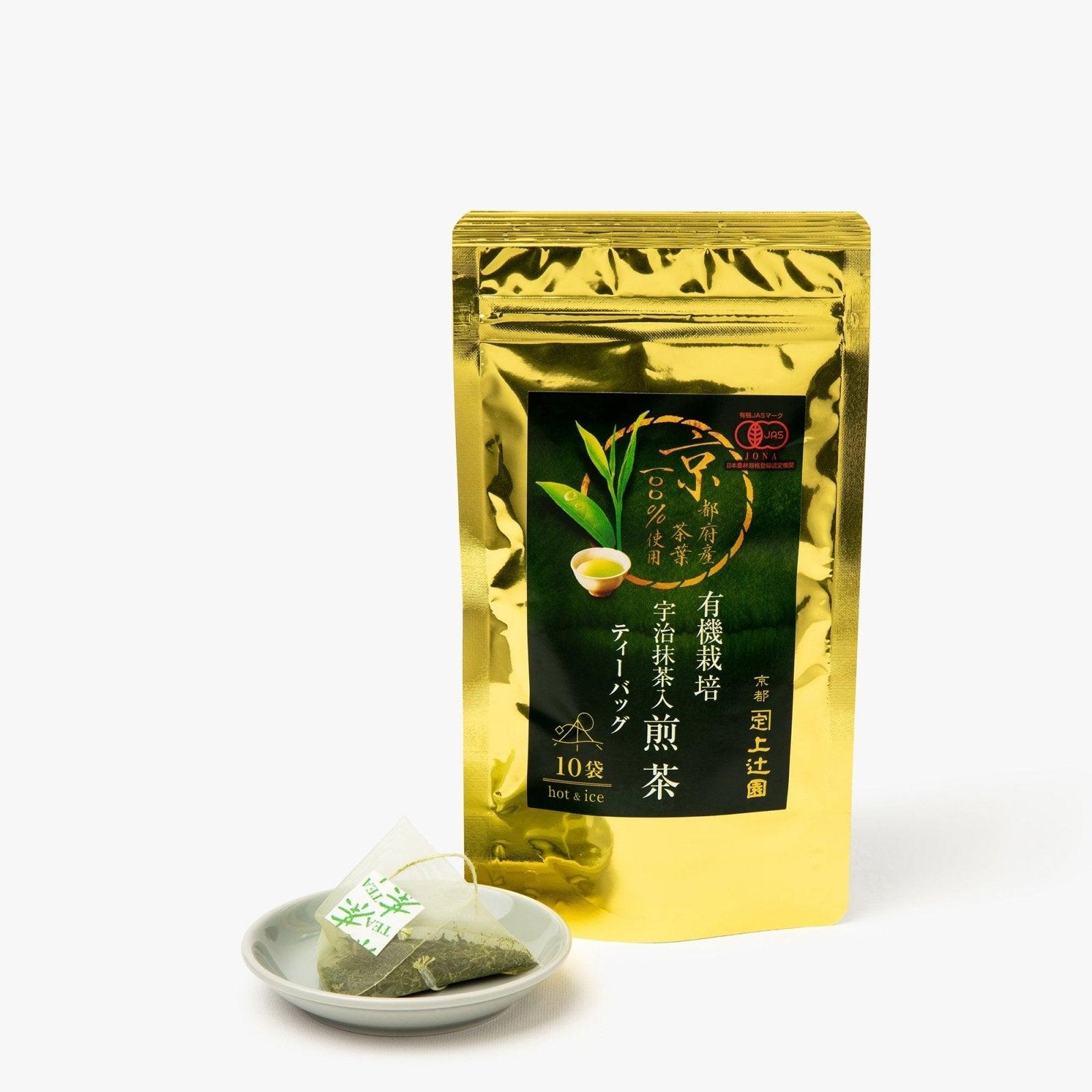
Matcha sencha tea 10 tea bags ⋅ Kamitsujien ⋅ 30g
⋅ Mixture of sencha and matcha⋅ 10 sachets of sencha⋅ Label JAS, organic Japanese culture⋅ Sencha from Uji in Kyoto⋅ Fresh, umami fragrance⋅ Numerous benefits...
Regular price 8.60 €Prix promotionnel 8.60 € Regular pricePrice per unit 286.67 € per kg -


Loose roasted Oolong tea ⋅ Miyazaki sabou ⋅ 40g
⋅ Partially oxidized oolong⋅ Brews several times easily⋅ To be prepared with boiling water⋅ Low theine content⋅ Roasted and roasted notesOolong tea is a tea...
Regular price 12.30 €Prix promotionnel 12.30 € Regular pricePrice per unit 307.50 € per kg -


Sakura powder ⋅ Kyoto Yamasan ⋅ 40g
⋅ Fine sakura powder⋅ Perfect for rosé desserts with floral notes⋅ Add to a nice smooth latte⋅ Can be sprinkled on top of a...
Regular price 17.65 €Prix promotionnel 17.65 € Regular pricePrice per unit 441.25 € per kg -
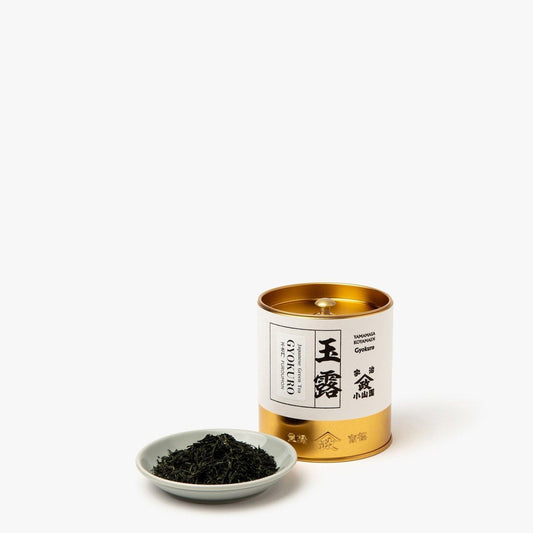

Gyokuro Furumon tea from Kyoto Uji in bulk ⋅ Yamamasa Koyamaen ⋅ 100g
⋅ High-end Gyokuro tea⋅ Fine, delicate, umami fragrance between sencha and matcha⋅ Shade-grown tea plants to develop umami⋅ Rich in...
Regular price 26.90 €Prix promotionnel 26.90 € Regular pricePrice per unit 269.00 € per kg -


Black Rice Tea, 10 bags ⋅ Nanohana ⋅ 50g
⋅ Made with Toyama rice⋅ 10 easy-to-brew sachets⋅ Theine-free⋅ Rich in anti-oxidants⋅ Drink hot or iced!⋅ Ideal as a giftDiscover a...
Regular price 15.40 €Prix promotionnel 15.40 € Regular pricePrice per unit 308.00 € per kg -
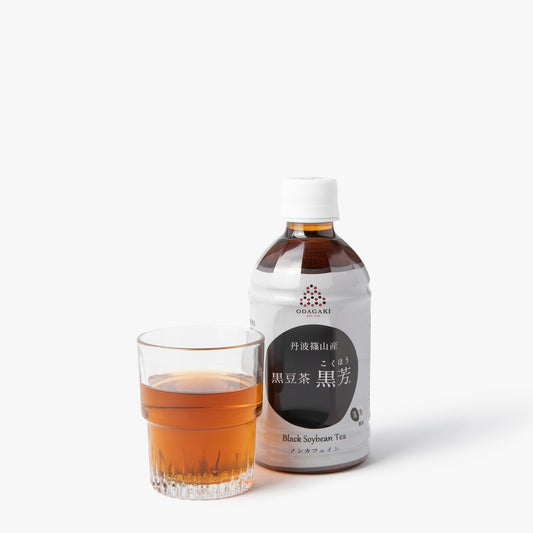
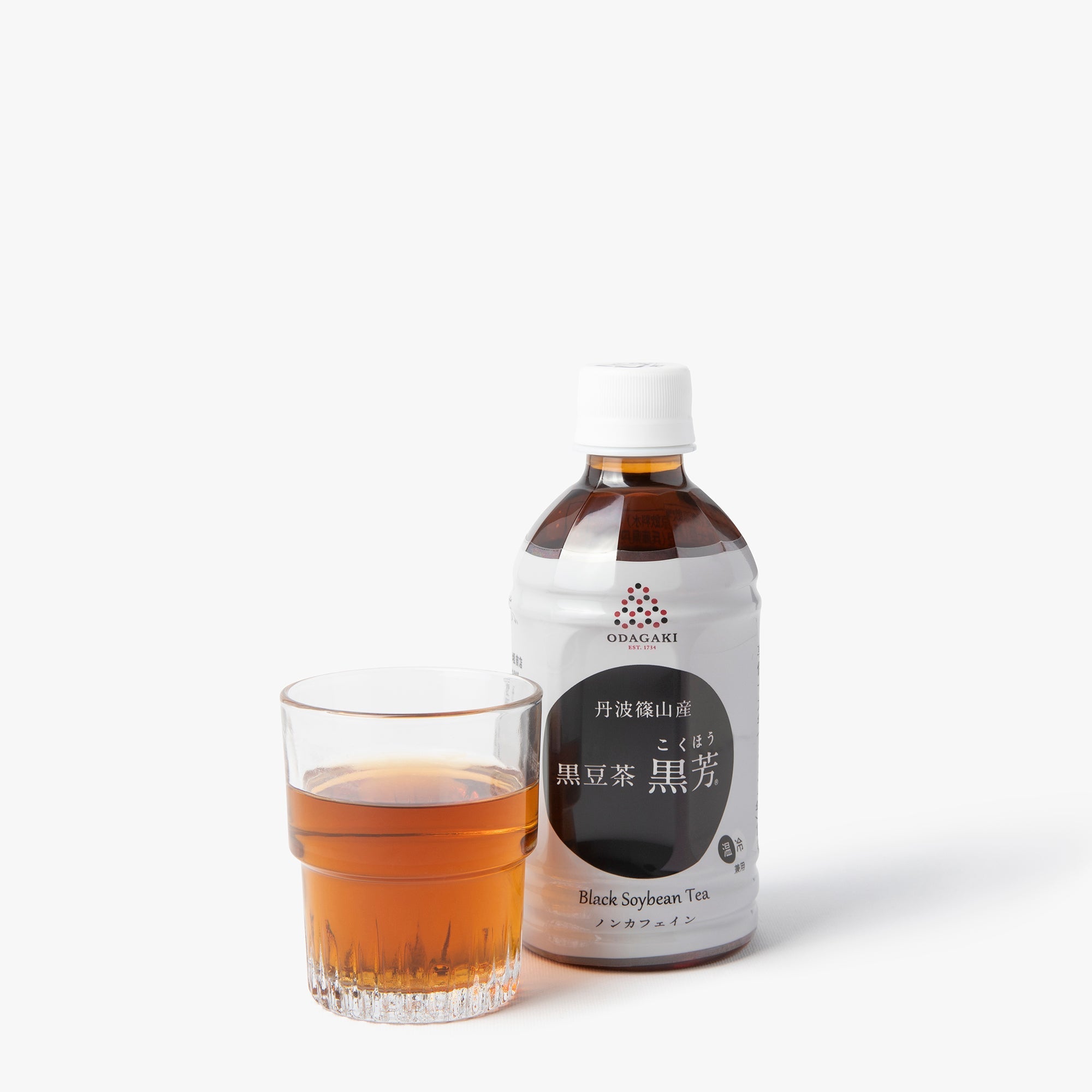
Black soy infusion ⋅ Odogaki ⋅ 350ml
⋅ Tanba black soy bean infusion⋅ Caffeine-free⋅ Roasted flavor⋅ Rich in fiber, minerals and antioxidants⋅ Enjoy hot or icedA herbal infusion with...
Regular price 2.60 €Prix promotionnel 2.60 € Regular pricePrice per unit 7.43 € per l -
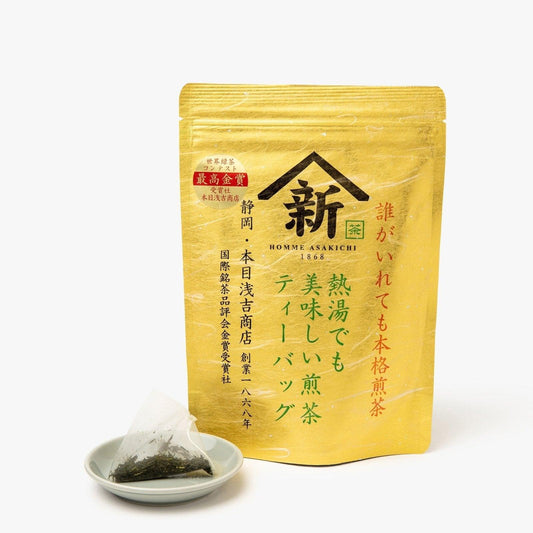
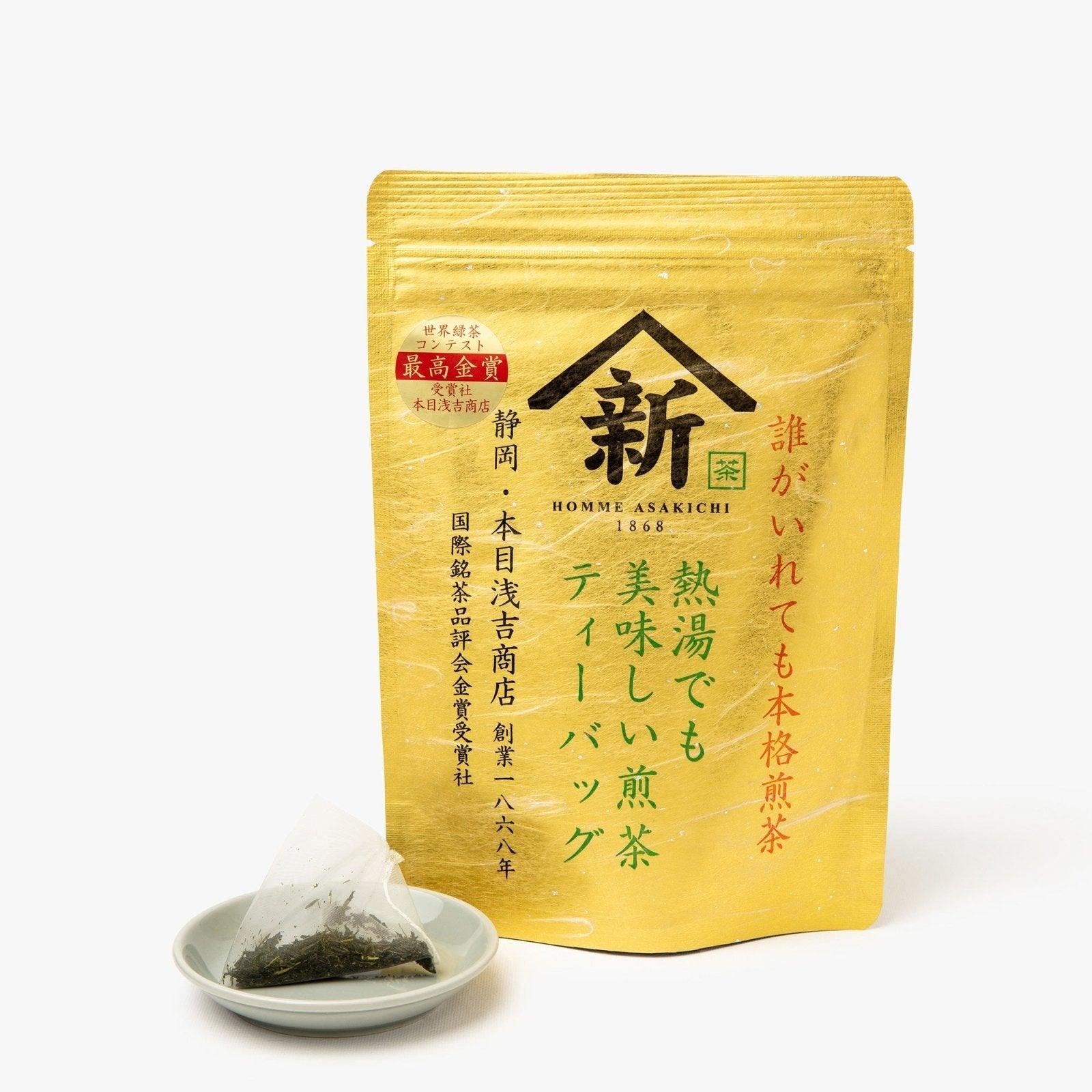
Sencha tea 24 bags ⋅ Homme Asakichi Shoten ⋅ 48g
⋅ Sencha green tea⋅ 24 bags⋅ To be prepared exceptionally with boiling water⋅ Can be infused cold for greater subtletyThe fruit of long selection work...
Regular price 14.80 €Prix promotionnel 14.80 € Regular pricePrice per unit 308.33 € per kg -


Sencha green tea for cold infusion 7 bags ⋅ En Tea ⋅ 35g
⋅ To make your iced teas easily⋅ Plain green tea for a fresh, umami taste⋅ 1 bag for 500ml water⋅ Fast infusion in 30 sc⋅...
Regular price 16.40 €Prix promotionnel 16.40 € Regular pricePrice per unit 468.57 € per kg -


Black tea kocha with atoumo leaves 7 Sachets ⋅ En Tea ⋅ 14g
⋅ Black tea with atoumo⋅ Anti⋅ inflammatory virtues⋅ Rich in antioxidants⋅ Rich, full-bodied fragrance⋅ Seasonal productThis unique black tea, subtly scented with atoumo leaves,...
Regular price 13.55 €Prix promotionnel 13.55 € Regular pricePrice per unit 967.86 € per kg -


Classic matcha tea Kaede from Uji in Kyoto ⋅ Yamamasa Koyamaen ⋅ 100g
⋅ Matcha from Kyoto Uji, renowned for its quality⋅ Second and third harvests for aromatic intensity⋅ Ideal for matcha latte⋅ Rich in antioxidants⋅ Numerous...
Regular price 29.00 €Prix promotionnel 29.00 € Regular pricePrice per unit 290.00 € per kg -


Sobacha de Tartarie buckwheat infusion 10 tea bags ⋅ Nikkoku Seifun ⋅ 60g
⋅ 10 easy-to-brew sachets⋅ Contains no theine or caffeine⋅ Scent reminiscent of toasted cereals⋅ Brews hot or cold⋅ Japanese buckwheat...
Regular price 8.70 €Prix promotionnel 8.70 € Regular pricePrice per unit 145.00 € per kg -


Loose genmaicha tea ⋅ Sasaki seicha ⋅ 100g
⋅ Genmaicha with brown rice⋅ Gourmet flavor of toasted cereals⋅ Low caffeine⋅ Perfect accompaniment to Japanese meals⋅ Brews several timesA Japanese green tea...
Regular price 9.10 €Prix promotionnel 9.10 € Regular pricePrice per unit 91.00 € per kg -


Ohara matcha genmaicha tea loose ⋅ Yamamasa Koyamaen ⋅ 200g
⋅ Blend of genmaicha and matcha⋅ Beautiful emerald infusion⋅ Deep umami dimension⋅ Vegetal notes with toasted rice⋅ Brew several times! A unique tea is created...
Regular price 15.90 €Prix promotionnel 15.90 € Regular pricePrice per unit 79.50 € per kg -


Ohara matcha genmaicha tea loose ⋅ Yamamasa Koyamaen ⋅ 100g
⋅ Blend of genmaicha and matcha⋅ Beautiful emerald infusion⋅ Deep umami dimension⋅ Vegetal notes with toasted rice⋅ Brew several times! This unique tea is created...
Regular price 13.90 €Prix promotionnel 13.90 € Regular pricePrice per unit 139.00 € per kg -


Mugicha barley infusion 20 Sachets ⋅ Kawahara seifun ⋅ 200g
⋅ Caffeine-free⋅ As good hot as cold⋅ Ideal in summer⋅ To accompany a meal⋅ Rich, toasty aromaMugicha is a roasted barley infusion whose...
Regular price 10.20 €Prix promotionnel 10.20 € Regular pricePrice per unit 51.00 € per kg -


Sencha matcha tea Mabushi loose ⋅ Yamamasa Koyamaen ⋅ 200g
⋅ Blend of sencha and matcha⋅ Emerald-colored infusion⋅ Fresh taste with lots of umami⋅ Rich in antioxidants⋅ Refill bagThis unique tea is created by sprinkling...
Regular price 14.20 €Prix promotionnel 14.20 € Regular pricePrice per unit 71.00 € per kg -


Yuzu black tea loose ⋅ Miyazaki sabou ⋅ 40g
⋅ Moyazaki black tea scented with yuzu⋅ Scent of fresh citrus, yuzu, slightly woody⋅ Mild, refreshing infusion⋅ Also available in individual bagsThis black tea...
Regular price 8.30 €Prix promotionnel 8.30 € Regular pricePrice per unit 207.50 € per kg -


Matcha genmaicha tea 10 tea bags ⋅ Kamitsujien ⋅ 30g
⋅ Genmaicha and matcha blend⋅ 10 easy-to-infuse sachets⋅ Certified organic by the JAS⋅ label⋅ Herbal notes with toasted rice⋅ Brew for several...
Regular price 8.50 €Prix promotionnel 8.50 € Regular pricePrice per unit 283.33 € per kg -


Sencha matcha tea Mabushi loose ⋅ Yamamasa Koyamaen ⋅ 100g
⋅ Sencha and matcha blend⋅ Emerald-colored infusion⋅ Fresh, very umami taste⋅ Rich in antioxidants⋅ Alluminium tin to preserve freshnessThis unique tea...
Regular price 13.50 €Prix promotionnel 13.50 € Regular pricePrice per unit 135.00 € per kg -


Tea kukicha Karigane Tsuru no Ha ⋅ Yamamasa Koyamaen ⋅ 80g
⋅ Green tea made from leaves and stems⋅ Vegetal and umami fragrance⋅ Less theatrical than other Japanese green teas⋅ A perfect accompaniment to...
Regular price 8.80 €Prix promotionnel 8.80 € Regular pricePrice per unit 110.00 € per kg -
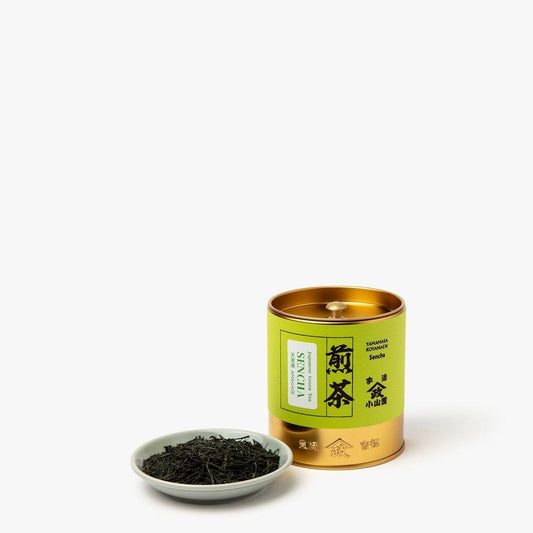
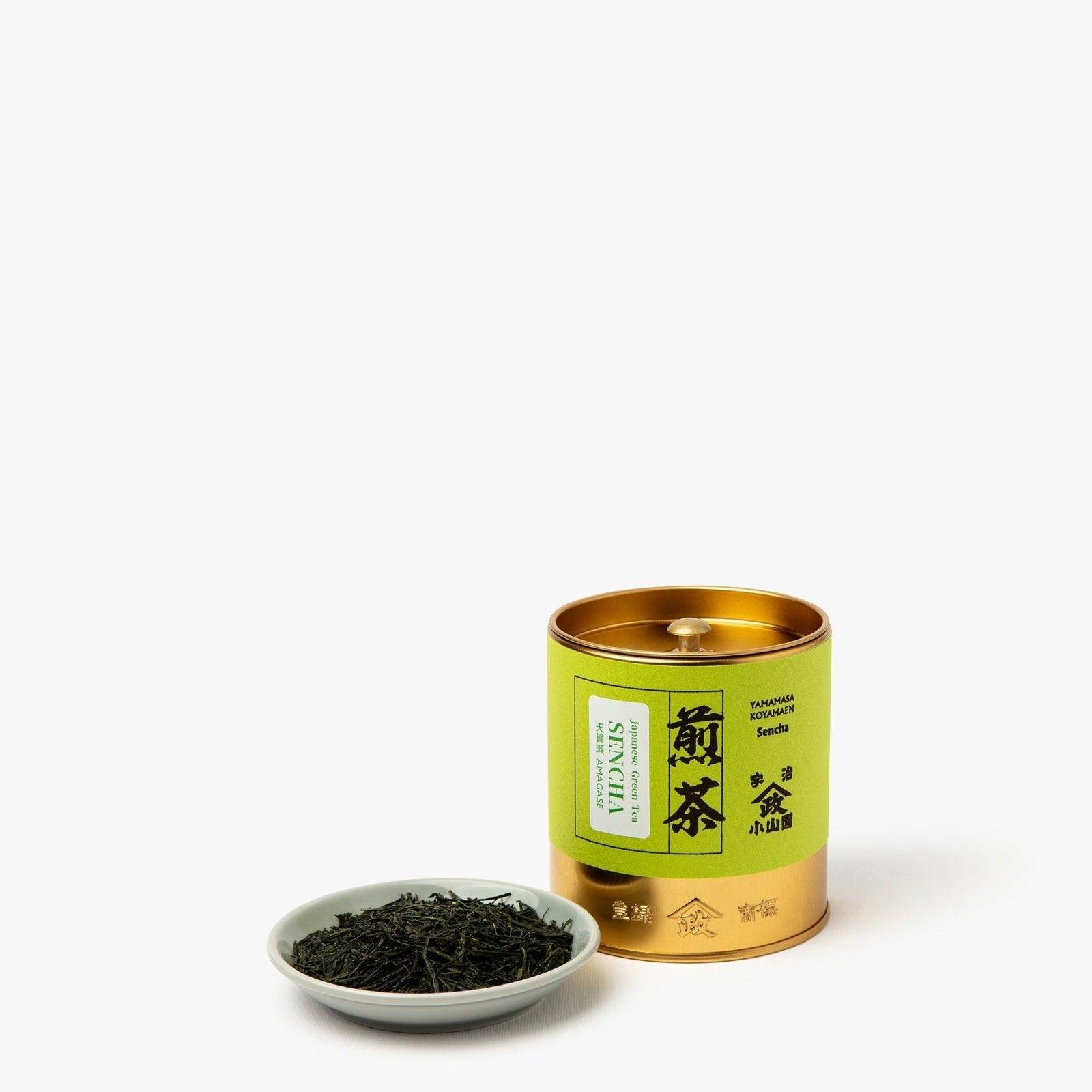
Amagase sencha tea from Uji in Kyoto loose ⋅ Yamamasa Koyamaen ⋅ 100g
⋅ Light, fresh and floral taste⋅ Can be enjoyed hot or cold⋅ Umbami aroma as tea is shaded for two weeks⋅ Typical Japanese Sencha! ⋅ Aluminium canister for...
Regular price 20.80 €Prix promotionnel 20.80 € Regular pricePrice per unit 208.00 € per kg -
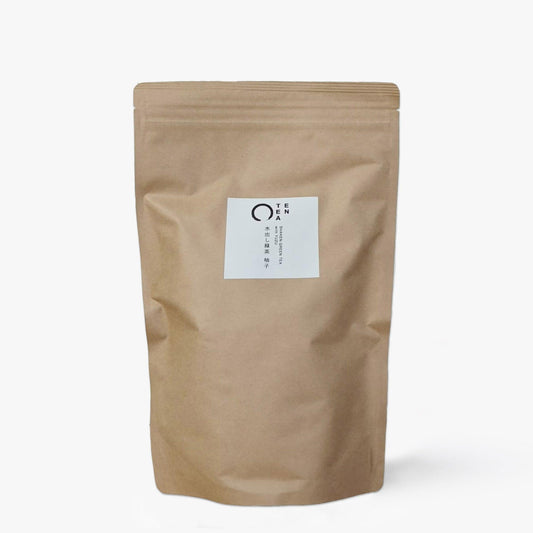
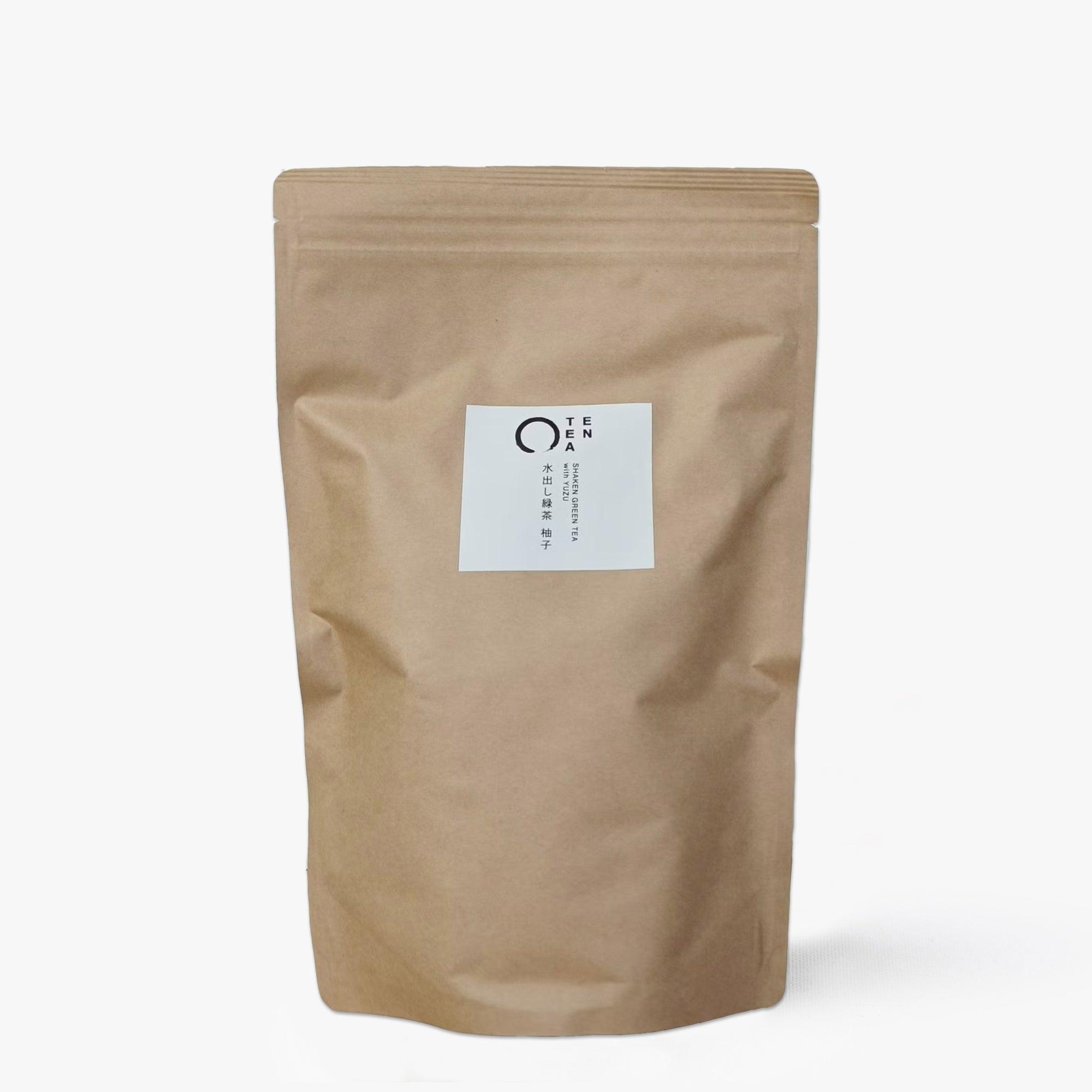
Yuzu green tea for cold infusion 100 Sachets ⋅ En Tea ⋅ 500g
These tea bags contain a blend of sencha and yuzu zest. The fresh, fragrant aromas are ideal for hot infusion...
Regular price 180.00 €Prix promotionnel 180.00 € Regular pricePrice per unit 360.00 € per kg -
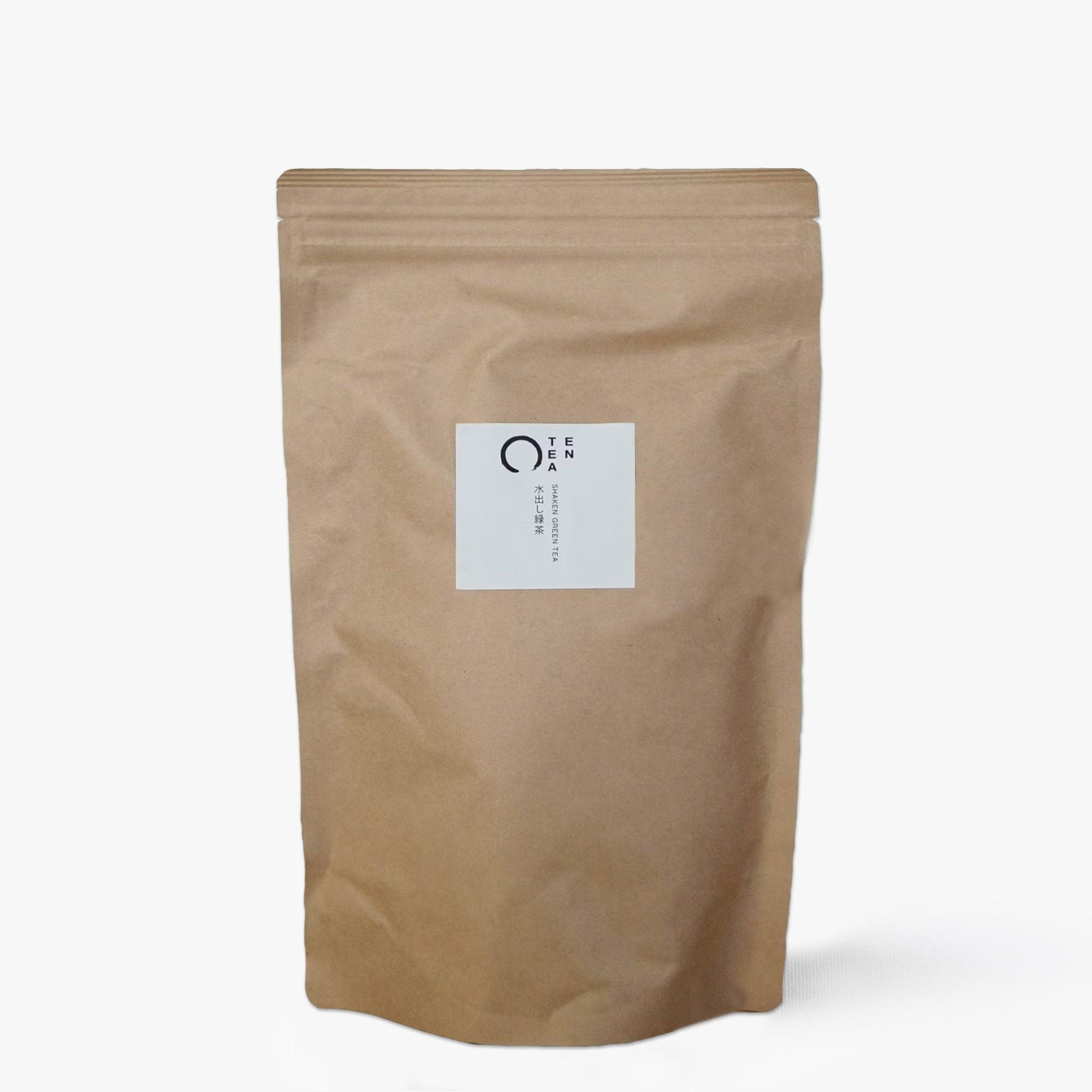
Sencha green tea for cold infusion 100 bags ⋅ En Tea ⋅ 500g
These teabags contain a blend of sencha and kamairicha teas. The fresh, fragrant aromas are perfect for both hot and cold infusion. It...
Regular price 180.00 €Prix promotionnel 180.00 € Regular pricePrice per unit 360.00 € per kg


Cook Japanese with our latest recipes


Find out more about Japanese grocery products
What are the basic ingredients of Japanese cuisine?
The basic ingredients of Japanese cuisine include :
- Rice (gohan): The centerpiece of most Japanese meals.
- Soya: Used in the form of soy sauce, misoor tofu.
- seaweeds (nori, kombu, wakame): Essential in soups and sushi.
- Dashi A basic broth made from kombu (seaweed) and dried bonito.
- Mirin A sweet rice wine used for cooking.
- Rice vinegar Indispensable for seasoning sushi rice and marinades.
- Wasabi A spicy condiment, often served with sushi.
What's the difference between mirin and cooking sake?
The mirin and cooking sake are both used for cooking, but differ mainly in their sugar and alcohol content. Mirin is a mild, sweet, low-alcohol rice wine used to add sweetness and brightness to dishes. Cooking sake is drier, with a higher alcohol content, and is used to deglaze dishes and neutralize fish or meat odors.
What are the most common types of Japanese noodle?
The most common types of Japanese noodles are :
How do I use dashi in my recipes?
The dashi is a basic broth in Japanese cuisine, used to prepare soups such as miso soup, sauces and simmered dishes. It can also be used to cook vegetables, as inoden, or as a base for noodle dishes. To use it, simply dilute dashi (whether granulated, liquid or homemade) with water, then stir it into your recipes.
What's the difference between white and red miso?
White miso (shiro miso) and red miso (aka miso ) differ in color, taste and fermentation time:
- White miso Mellower, slightly sweet, with shorter fermentation, often used for light dishes such as soups.
- Red miso Stronger-tasting, saltier and with longer fermentation, used in more robust dishes such as rich miso soups or marinades.
How to choose the right type of rice vinegar?
To choose the right rice vinegar, take into account :
- White rice vinegar: Mild and versatile, ideal for sushi, marinades and vinaigrettes.
- Seasoned rice vinegar: Already sweetened and salted, ready to use for sushi rice.
- Brown rice vinegar: More intense in flavor, often used for richer dishes or more complex marinades.
What are the typical sushi accompaniments?
Typical sushi accompaniments include:
- Wasabi: Pungent paste made from wasabi root, added directly to the sushi or mixed with soy sauce.
- Pickled ginger (gari): Thin slices of pickled ginger, eaten between bites to refresh the palate.
- Soy sauce: Used to lightly soak sushi before eating.
- Shiso: Perilla leaf, sometimes served with sushi to add a herbaceous note.
What are the basics of Japanese cuisine?
The basics of Japanese cuisine are based on the use of fresh ingredients and essential seasonings such as soy sauce, miso, mirin, rice vinegar and dashi. Food is often cooked simply, highlighting the purity and natural flavor of the ingredients. Common techniques include steaming, grilling, light frying (tempura), and the preparation of raw dishes such as sushi and sashimi.
How to prepare a balanced bento?
A balanced bento includes :
- Protein: Fish, meat, tofu or egg.
- Rice: The main ingredient, often accompanied by sesame seeds or furikake (rice seasoning).
- Vegetables: Raw, pickled (tsukemono), or cooked (e.g. broccoli, carrots).
- Fruit: Chunks of fresh fruit to finish the meal.
- Accompaniments: Like tamagoyaki (Japanese omelette), rice dumplings (onigiri) or small salads.
What are the benefits of Japanese cuisine?
Japanese gastronomy is renowned for its many health benefits, thanks to its fresh ingredients, healthy cooking techniques and balanced nutrition. The Japanese have one of the highest life expectancies in the world, and many factors contribute to this remarkable longevity, including their eating habits!
They have traditionally followed a balanced diet rich in vegetables, fish, seaweeds, tofu, and grains, particularly rice. Their diet is low in saturated fats and processed foods. Their diet is not too high in calories, yet packed with essential nutrients and antioxidants, which help fight oxidative stress, aid digestion, and prevent cellular aging.
The Japanese have a high consumption of oily fish, which is an excellent source of omega-3, beneficial to heart and brain health.
The basis of many Japanese dishes is rice, which is a healthy source of energy, low in saturated fats and rich in complex carbohydrates.
Japanese dishes are often garnished with fresh vegetables, rich in vitamins, minerals, and dietary fiber, which promote digestive health and vitality. They also include seaweeds as nori, kombu, and wakame, which are rich in nutrients, including iodine, vitamins, and essential minerals.
Soy-based products such as tofu, miso and tempeh are also an excellent source of vegetable protein, fiber and antioxidants.
In addition, the Japanese consume fermented foods such as miso and nattō on a daily basis, which are beneficial for digestive health thanks to the probiotics they contain.
Japanese cooking techniques also play their part! For example, grilling (yakitori) and steaming (nimono) preserve the flavor and nutritional value of food.
It should be noted that Japanese cuisine varies according to regional and individual preferences, so specific health benefits may vary according to personal dietary choices. However, in general, Japanese gastronomy is seen and recognized for its contribution to a healthy, balanced and nutritious diet.
What is umami?
Umami is one of the five basic flavors that the human taste buds can detect, alongside sweet, salty, sour and bitter. The term "umami" is of Japanese origin and translates roughly as "tasty" or "delicious". This flavor has a distinct gustatory quality and is often described as a sensation of "rich", "deep" or "savory" in the mouth.
Umami is generally associated with foods rich in glutamic acid, an amino acid that acts as a neurotransmitter in the human brain. Foods rich in umami include:
Monosodium glutamate (MSG): A food additive commonly used to enhance the umami flavor of many dishes.
Soy-based products: such as miso, soy sauce and tofu, which are rich in natural glutamic acid.
Fermented foods: such as Parmesan cheese, Roquefort, kimchi, and fermentation products like Worcestershire sauce.
Slow-cooked meats: Like roast beef, pulled pork and other slow-cooked dishes that develop umami flavors over time.
Mushrooms: Like shiitake and porcini mushrooms, which naturally contain glutamic acid.
Tomatoes: Especially ripe tomatoes, which are rich in glutamic acid and seen as a mainstay of umami flavor in Italian cuisine, for example.
Umami has a unique ability to enhance and balance flavors in dishes, particularly by adding depth and complexity to culinary preparations. It is often used in combination with other basic flavors to create deliciously balanced dishes. It was recognized as a distinct flavor during the 20th century and is now widely accepted around the world as an essential element of the human taste palette.


