




Collection: All our Japanese products
After more than two years spent meticulously sourcing them, iRASSHAi offers you a selection of over 1000 products, imported from Japan, three quarters of which are being sold in France for the first time. Discover authentic Japanese grocery products to enhance your cooking! And if you don't know where to start, we regularly write recipes for all tastes and levels to give you ideas.


-


White rice milky queen from Toyama ⋅ Nanohana ⋅ 1kg
⋅ Tender texture⋅ Delicious cold but can also be eaten hot⋅ Grown in Toyama⋅ The "queen of rice"⋅ Ideal for everyday use⋅ Ideal rice for onigirisIf the...
Regular price 19.50 €Prix promotionnel 19.50 € Regular pricePrice per unit 19.50 € per kg -


White rice yumenishiki ⋅ Yumenishiki ⋅ 1kg
⋅ A variety derived from Koshihikari rice⋅ Grown in Italy⋅ Taste and texture almost identical to koshihikari rice⋅ Ideal for everyday use⋅ As good hot as coldIt...
Regular price 10.80 €Prix promotionnel 10.80 € Regular pricePrice per unit 10.80 € per kg -


Instant white rice ⋅ Maeda ⋅ 160g
⋅ Cooks in minutes in the microwave⋅ Authentic, delicate flavor⋅ Perfect accompaniment to curries or bento boxes⋅ Convenient individual serving sizeRice prepared according to a...
Regular price 2.95 €Prix promotionnel 2.95 € Regular pricePrice per unit 18.44 € per kg -


Whole rice koshihikari from Toyama ⋅ Nanohana ⋅ 1kg
⋅ Wholegrain rice⋅ Grown in Toyama, famous for its rice⋅ Rich in flavor⋅ Ideal for everyday use⋅ Mix with white riceKoshihikari rice is a...
Regular price 15.00 €Prix promotionnel 15.00 € Regular pricePrice per unit 15.00 € per kg -


White rice okomesan ⋅ Okomesan ⋅ 1kg
⋅ A japonica rice⋅ Tender texture⋅ Ideal for everyday use⋅ For all usesA japonica rice grown in Italy, in the Lomellina rice fields, and specially selected by...
Regular price 9.50 €Prix promotionnel 9.50 € Regular pricePrice per unit 9.50 € per kg -


Whole rice milky queen from Toyama ⋅ Nanohana ⋅ 1kg
⋅ Tender texture⋅ Milky color⋅ Delicious cold but can also be eaten hot⋅ Deep flavor⋅ Grown in Toyama⋅ Ideal rice for onigirisIf Koshihikari is the...
Regular price 17.80 €Prix promotionnel 17.80 € Regular pricePrice per unit 17.80 € per kg -


Instant white glutinous rice with red beans sekihan ⋅ Maeda ⋅ 150g
⋅ Made with glutinous rice and red azuki beans⋅ Soft texture, mild, slightly sweet taste⋅ Ready in minutes⋅ Enjoy hot or cold,...
Regular price 3.25 €Prix promotionnel 3.25 € Regular pricePrice per unit 21.67 € per kg -


Instant whole grain rice ⋅ Maeda ⋅ 160g
⋅ Cooks in minutes in the microwave⋅ Brown rice⋅ Authentic, delicate flavor⋅ Perfect accompaniment to curries or bento boxes⋅ Convenient individual serving sizeThis brown rice...
Regular price 2.95 €Prix promotionnel 2.95 € Regular pricePrice per unit 18.44 € per kg -


Round Mochi for cooking ⋅ Taimatsu Foods Corporation ⋅ 360g
⋅ 100% Rice⋅ Superb in zenzai or oden⋅ Gluten-free⋅ Pan-fry or boiled⋅ Round shape⋅ Individually wrappedRound mochis made...
Regular price 7.60 €Prix promotionnel 7.60 € Regular pricePrice per unit 21.11 € per kg -


Puffed rice balls bubu arare ⋅ Fuji Shokuhin ⋅ 55g
⋅ Melting, slightly salty texture⋅ Adds texture to dishes⋅ In salads, on rice or in tea⋅ An ochazuke essentialIdeal for...
Regular price 3.95 €Prix promotionnel 3.95 € Regular pricePrice per unit 71.82 € per kg -


White glutinous rice shin taisho mochi from Toyama ⋅ Nanohana ⋅ 300g
⋅ Grown in Toyama, famous for its rice⋅ Rare variety, produced in small quantities⋅ Glutinous texture⋅ Ideal for making pastries or sekihanGlutinous rice...
Regular price 11.90 €Prix promotionnel 11.90 € Regular pricePrice per unit 39.67 € per kg -


Whole rice yumenishiki ⋅ Yumenishiki ⋅ 1kg
⋅ A variety derived from Koshihikari rice⋅ Grown in Italy⋅ Taste and texture almost identical to koshihikari rice⋅ Ideal for everyday use⋅ As good hot as coldIt...
Regular price 10.80 €Prix promotionnel 10.80 € Regular pricePrice per unit 10.80 € per kg -


Thin Mochi for Cooking ⋅ Taimatsu Foods Corporation ⋅ 300g
⋅ 100% rice⋅ Perfect for the grill or griddle⋅ Great with both sweet and savory flavors⋅ Gluten-free⋅ Light and quick to prepare⋅ Individually wrappedThese mochi...
Regular price 6.90 €Prix promotionnel 6.90 € Regular pricePrice per unit 23.00 € per kg -
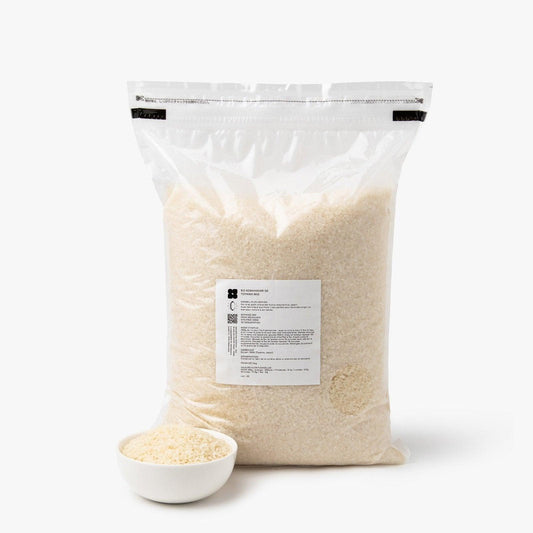

White rice koshihikari from Toyama ⋅ Nanohana ⋅ 5kg
⋅ The "King of rices"⋅ Grown in Toyama, famous for its rice⋅ As good hot as cold⋅ Ideal for daily useKoshihikari white rice is famous in the...
Regular price 74.00 €Prix promotionnel 74.00 € Regular pricePrice per unit 14.80 € per kg -

-


Black Rice Tea, 10 bags ⋅ Nanohana ⋅ 50g
⋅ Made with Toyama rice⋅ 10 easy-to-brew sachets⋅ Theine-free⋅ Rich in anti-oxidants⋅ Drink hot or iced!⋅ Ideal as a giftDiscover a...
Regular price 15.40 €Prix promotionnel 15.40 € Regular pricePrice per unit 308.00 € per kg -


Wholemeal glutinous rice Shin taisho mochi from Toyama ⋅ Nanohana ⋅ 1kg
⋅ Perfect for baking⋅ Deep taste⋅ Rich in fiber and nutrients⋅ Grown in Toyama⋅ Denser than white glutinous riceWhole-grain glutinous rice...
Regular price 15.50 €Prix promotionnel 15.50 € Regular pricePrice per unit 15.50 € per kg -


Rectangular Mochi for cooking ⋅ Taimatsu Foods Corporation ⋅ 500g
⋅ 100% rice⋅ To sprinkle with kinako⋅ Gluten-free⋅ Rectangular shape⋅ Bake, boil or fry⋅ Individually wrappedThese rectangular rice cakes...
Regular price 11.90 €Prix promotionnel 11.90 € Regular pricePrice per unit 23.80 € per kg -


White rice milky queen from Toyama ⋅ Nanohana ⋅ 5kg
⋅ Tender texture⋅ Milky white color⋅ Grown in Toyama, famous for its rice⋅ Delicious cold⋅ Perfect in sushi, onigiri or bentoSi Koshihikari is the...
Regular price 90.00 €Prix promotionnel 90.00 € Regular pricePrice per unit 18.00 € per kg -


Black rice asamurasaki ⋅ Nanohana ⋅ 1kg
⋅ Rich in antioxidants and calcium⋅ Sautéed, in salad or mixed with white rice⋅ Firm texture and rich taste⋅ Grown in Toyama, renowned for its...
Regular price 24.50 €Prix promotionnel 24.50 € Regular pricePrice per unit 24.50 € per kg -


White rice akita komachi ⋅ Shimei Akiken ⋅ 2kg
⋅ A variety derived from Koshihikari rice⋅ A firmer texture than other rices⋅ Ideal for everyday⋅ Eat hot⋅ Perfect for stir-fry dishes...
Regular price 17.90 €Prix promotionnel 17.90 € Regular pricePrice per unit 8.95 € per kg


Cook Japanese with our latest recipes


Find out more about Japanese grocery products
What are the basic ingredients of Japanese cuisine?
The basic ingredients of Japanese cuisine include :
- Rice (gohan): The centerpiece of most Japanese meals.
- Soya: Used in the form of soy sauce, misoor tofu.
- seaweeds (nori, kombu, wakame): Essential in soups and sushi.
- Dashi A basic broth made from kombu (seaweed) and dried bonito.
- Mirin A sweet rice wine used for cooking.
- Rice vinegar Indispensable for seasoning sushi rice and marinades.
- Wasabi A spicy condiment, often served with sushi.
What's the difference between mirin and cooking sake?
The mirin and cooking sake are both used for cooking, but differ mainly in their sugar and alcohol content. Mirin is a mild, sweet, low-alcohol rice wine used to add sweetness and brightness to dishes. Cooking sake is drier, with a higher alcohol content, and is used to deglaze dishes and neutralize fish or meat odors.
What are the most common types of Japanese noodle?
The most common types of Japanese noodles are :
How do I use dashi in my recipes?
The dashi is a basic broth in Japanese cuisine, used to prepare soups such as miso soup, sauces and simmered dishes. It can also be used to cook vegetables, as inoden, or as a base for noodle dishes. To use it, simply dilute dashi (whether granulated, liquid or homemade) with water, then stir it into your recipes.
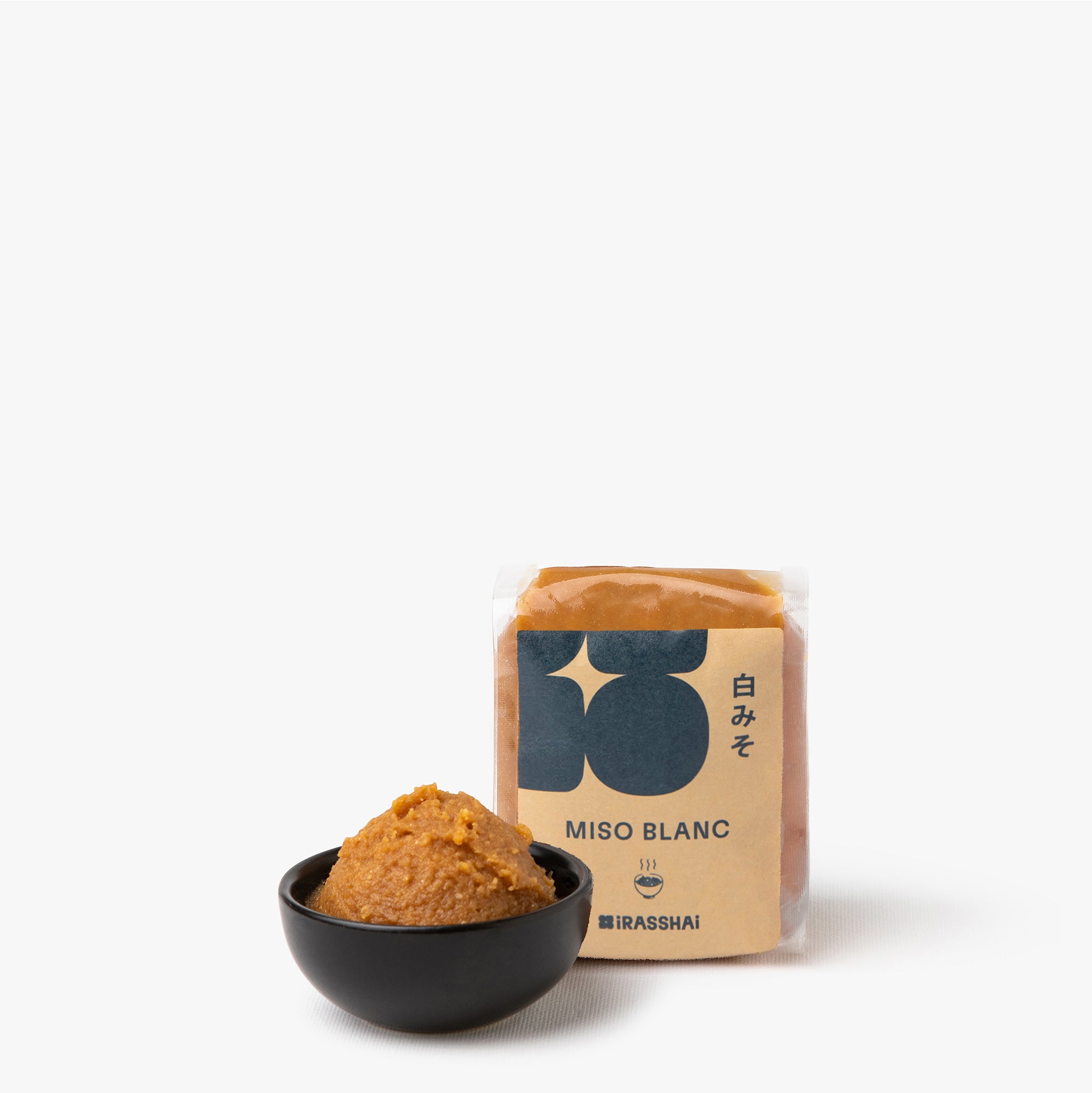
What's the difference between white and red miso?
White miso (shiro miso) and red miso (aka miso ) differ in color, taste and fermentation time:
- White miso Mellower, slightly sweet, with shorter fermentation, often used for light dishes such as soups.
- Red miso Stronger-tasting, saltier and with longer fermentation, used in more robust dishes such as rich miso soups or marinades.
How to choose the right type of rice vinegar?
To choose the right rice vinegar, take into account :
- White rice vinegar: Mild and versatile, ideal for sushi, marinades and vinaigrettes.
- Seasoned rice vinegar: Already sweetened and salted, ready to use for sushi rice.
- Brown rice vinegar: More intense in flavor, often used for richer dishes or more complex marinades.
What are the typical sushi accompaniments?
Typical sushi accompaniments include:
- Wasabi: Pungent paste made from wasabi root, added directly to the sushi or mixed with soy sauce.
- Pickled ginger (gari): Thin slices of pickled ginger, eaten between bites to refresh the palate.
- Soy sauce: Used to lightly soak sushi before eating.
- Shiso: Perilla leaf, sometimes served with sushi to add a herbaceous note.
What are the basics of Japanese cuisine?
The basics of Japanese cuisine are based on the use of fresh ingredients and essential seasonings such as soy sauce, miso, mirin, rice vinegar and dashi. Food is often cooked simply, highlighting the purity and natural flavor of the ingredients. Common techniques include steaming, grilling, light frying (tempura), and the preparation of raw dishes such as sushi and sashimi.
How to prepare a balanced bento?
A balanced bento includes :
- Protein: Fish, meat, tofu or egg.
- Rice: The main ingredient, often accompanied by sesame seeds or furikake (rice seasoning).
- Vegetables: Raw, pickled (tsukemono), or cooked (e.g. broccoli, carrots).
- Fruit: Chunks of fresh fruit to finish the meal.
- Accompaniments: Like tamagoyaki (Japanese omelette), rice dumplings (onigiri) or small salads.
What are the benefits of Japanese cuisine?
Japanese gastronomy is renowned for its many health benefits, thanks to its fresh ingredients, healthy cooking techniques and balanced nutrition. The Japanese have one of the highest life expectancies in the world, and many factors contribute to this remarkable longevity, including their eating habits!
They have traditionally followed a balanced diet rich in vegetables, fish, seaweeds, tofu, and grains, particularly rice. Their diet is low in saturated fats and processed foods. Their diet is not too high in calories, yet packed with essential nutrients and antioxidants, which help fight oxidative stress, aid digestion, and prevent cellular aging.
The Japanese have a high consumption of oily fish, which is an excellent source of omega-3, beneficial to heart and brain health.
The basis of many Japanese dishes is rice, which is a healthy source of energy, low in saturated fats and rich in complex carbohydrates.
Japanese dishes are often garnished with fresh vegetables, rich in vitamins, minerals, and dietary fiber, which promote digestive health and vitality. They also include seaweeds as nori, kombu, and wakame, which are rich in nutrients, including iodine, vitamins, and essential minerals.
Soy-based products such as tofu, miso and tempeh are also an excellent source of vegetable protein, fiber and antioxidants.
In addition, the Japanese consume fermented foods such as miso and nattō on a daily basis, which are beneficial for digestive health thanks to the probiotics they contain.
Japanese cooking techniques also play their part! For example, grilling (yakitori) and steaming (nimono) preserve the flavor and nutritional value of food.
It should be noted that Japanese cuisine varies according to regional and individual preferences, so specific health benefits may vary according to personal dietary choices. However, in general, Japanese gastronomy is seen and recognized for its contribution to a healthy, balanced and nutritious diet.
What is umami?
Umami is one of the five basic flavors that the human taste buds can detect, alongside sweet, salty, sour and bitter. The term "umami" is of Japanese origin and translates roughly as "tasty" or "delicious". This flavor has a distinct gustatory quality and is often described as a sensation of "rich", "deep" or "savory" in the mouth.
Umami is generally associated with foods rich in glutamic acid, an amino acid that acts as a neurotransmitter in the human brain. Foods rich in umami include:
Monosodium glutamate (MSG): A food additive commonly used to enhance the umami flavor of many dishes.
Soy-based products: such as miso, soy sauce and tofu, which are rich in natural glutamic acid.
Fermented foods: such as Parmesan cheese, Roquefort, kimchi, and fermentation products like Worcestershire sauce.
Slow-cooked meats: Like roast beef, pulled pork and other slow-cooked dishes that develop umami flavors over time.
Mushrooms: Like shiitake and porcini mushrooms, which naturally contain glutamic acid.
Tomatoes: Especially ripe tomatoes, which are rich in glutamic acid and seen as a mainstay of umami flavor in Italian cuisine, for example.
Umami has a unique ability to enhance and balance flavors in dishes, particularly by adding depth and complexity to culinary preparations. It is often used in combination with other basic flavors to create deliciously balanced dishes. It was recognized as a distinct flavor during the 20th century and is now widely accepted around the world as an essential element of the human taste palette.


